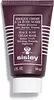
This wash off mask is made with Butyrospermum Parkii Butter and Squalane for a rinse-off hydration boost.
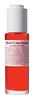
This hydrating serum is formulated around Simmondsia Chinensis Seed Oil and Rosa Damascena Flower Water to hydrate skin and calm redness.


What's inside
What's inside
 Key Ingredients
No key ingredients
Benefits
Concerns
Ingredients Side-by-side
Water
Skin ConditioningButyrospermum Parkii Butter
Skin Conditioning






Glycerin
Humectant
Hydroxyethyl Acrylate/Sodium Acryloyldimethyl Taurate Copolymer
Emulsion StabilisingSqualane
Emollient
Butylene Glycol
Humectant
Tocopheryl Acetate
Antioxidant


Panthenol
Skin Conditioning

Physalis Alkekengi Calyx Extract
Skin ConditioningVerbascum Thapsus Extract
Skin ConditioningAlgae Extract
Emollient
Rose Extract
Skin ConditioningVitis Vinifera Leaf Extract
Skin ConditioningPadina Pavonica Thallus Extract
Skin ConditioningMichelia Alba Leaf Oil
Masking
Pelargonium Graveolens Oil
Masking



Rosa Damascena Flower Oil
Masking
Simmondsia Chinensis Seed Oil
Emollient
Glyceryl Stearate
Emollient
PEG-100 Stearate
Surfactant
Ethylhexylglycerin
Skin ConditioningPentylene Glycol
Skin Conditioning
Polysorbate 60
Emulsifying
Sorbitan Isostearate
Emulsifying
Disodium EDTA
ChelatingCitric Acid
Buffering
Sodium Hydroxide
BufferingPEG-12 Dimethicone
Skin Conditioning
Phenoxyethanol
Preservative
Sodium Benzoate
Masking
Potassium Sorbate
Preservative
BHT
Antioxidant
CI 77491
Cosmetic ColorantLinalool
Perfuming
Citronellol
Perfuming
Limonene
Perfuming
Water, Butyrospermum Parkii Butter, Glycerin, Hydroxyethyl Acrylate/Sodium Acryloyldimethyl Taurate Copolymer, Squalane, Butylene Glycol, Tocopheryl Acetate, Panthenol, Physalis Alkekengi Calyx Extract, Verbascum Thapsus Extract, Algae Extract, Rose Extract, Vitis Vinifera Leaf Extract, Padina Pavonica Thallus Extract, Michelia Alba Leaf Oil, Pelargonium Graveolens Oil, Rosa Damascena Flower Oil, Simmondsia Chinensis Seed Oil, Glyceryl Stearate, PEG-100 Stearate, Ethylhexylglycerin, Pentylene Glycol, Polysorbate 60, Sorbitan Isostearate, Disodium EDTA, Citric Acid, Sodium Hydroxide, PEG-12 Dimethicone, Phenoxyethanol, Sodium Benzoate, Potassium Sorbate, BHT, CI 77491, Linalool, Citronellol, Limonene
Reviews
Alternatives
Ingredients Explained
These ingredients are found in both products.
Ingredients higher up in an ingredient list are typically present in a larger amount.
Jojoba oil is one of the most well-studied plant-derived ingredients in cosmetics. It is an emollient with a special structure.
Because it is made up of 97-98% wax esters, it closely mirrors the linear monoesters found in human sebum. This makes it skin compatible, non-greasy, and lightweight.
Unlike other plant oils, jojoba wax doesn't easily penetrate skin. It mostly works in the uppermost layers as an emollient. This just means it forms a light barrier on the skin to help retain moisture.
Formulations with jojoba esters up to 90% reduced transepidermal water loss (TEWL) and increased barrier recovery by 81% (outperforming bisabolol at 47%).
Besides barrier support, the science also suggests jojoba to have anti-inflammatory effects and potential applications for skin infections, aging, and wound healing.
Fun fact: Indigenous cultures have used jojoba as a moisturizer and to help treat burns for centuries.
Fungal acne: The Malassezia yeast is known to metabolize fatty acids in the C11-24 range and jojoba's dominant fatty acid components fall into this range. This ingredient may not be fungal acne safe.
Learn more about Simmondsia Chinensis Seed Oil

