
What's inside
What's inside
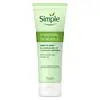 Key Ingredients
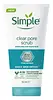
Benefits
Concerns
Ingredients Side-by-side
Water
Skin ConditioningParaffinum Liquidum
Emollient

Coco-Glucoside
Cleansing
Hydrated Silica
Abrasive
Oryza Sativa Germ Powder
Abrasive
Vegetable Oil
Skin Conditioning
Acrylates Copolymer
Acrylates/C10-30 Alkyl Acrylate Crosspolymer
Emulsion StabilisingDisodium EDTA
Hydroxypropyl Cyclodextrin
MaskingIodopropynyl Butylcarbamate
Preservative
Panthenol
Skin Conditioning




Pantolactone
Humectant
Phenoxyethanol
Preservative
Sodium Hydroxide
BufferingTocopheryl Acetate
Antioxidant


Water, Paraffinum Liquidum, Coco-Glucoside, Hydrated Silica, Oryza Sativa Germ Powder, Vegetable Oil, Acrylates Copolymer, Acrylates/C10-30 Alkyl Acrylate Crosspolymer, Disodium EDTA, Hydroxypropyl Cyclodextrin, Iodopropynyl Butylcarbamate, Panthenol, Pantolactone, Phenoxyethanol, Sodium Hydroxide, Tocopheryl Acetate
Water
Skin ConditioningHamamelis Virginiana Leaf Water
Astringent
Cocamidopropyl Betaine
Cleansing

Glycerin
Humectant
Bambusa Arundinacea Stem Extract
Skin ConditioningSodium Laureth Sulfate
Cleansing

PEG-7 Glyceryl Cocoate
Emulsifying
Acrylates/C10-30 Alkyl Acrylate Crosspolymer
Emulsion StabilisingBenzophenone-4
UV Absorber
Citric Acid
Buffering
Hydroxypropyl Cyclodextrin
MaskingIodopropynyl Butylcarbamate
Preservative
Niacinamide
Smoothing






Panthenol
Skin Conditioning
Pantolactone
Humectant
Phenoxyethanol
Preservative
Potassium Sorbate
Preservative
Sodium Benzoate
Masking
Sodium Chloride
MaskingSodium Hydroxide
BufferingThymus Vulgaris Flower/Leaf Extract
MaskingXanthan Gum
EmulsifyingZinc PCA
Humectant
Water, Hamamelis Virginiana Leaf Water, Cocamidopropyl Betaine, Glycerin, Bambusa Arundinacea Stem Extract, Sodium Laureth Sulfate, PEG-7 Glyceryl Cocoate, Acrylates/C10-30 Alkyl Acrylate Crosspolymer, Benzophenone-4, Citric Acid, Hydroxypropyl Cyclodextrin, Iodopropynyl Butylcarbamate, Niacinamide, Panthenol, Pantolactone, Phenoxyethanol, Potassium Sorbate, Sodium Benzoate, Sodium Chloride, Sodium Hydroxide, Thymus Vulgaris Flower/Leaf Extract, Xanthan Gum, Zinc PCA
Ingredients Explained
These ingredients are found in both products.
Ingredients higher up in an ingredient list are typically present in a larger amount.
Acrylates/C10-30 Alkyl Acrylate Crosspolymer is a synthetic polymer. It is used to thicken, emulsify, and improve the texture of products.
As an emulsifier, it helps stabilize oil-in-water emulsions to give products an elegant feel when applied.
It can also form a thin protective film on skin. One study found that a formula using this polymer helped slow down how quickly other ingredients (like DEET) were absorbed through skin.
A 2024 study of over 1,300 patients confirmed that sensitization to this ingredient is rare. It is also non-mutagenic and has a clean track record.
Learn more about Acrylates/C10-30 Alkyl Acrylate CrosspolymerThis ingredient is used in skincare as a delivery system.
It works by "encapsulating" active ingredients with its unique ring shape that is water-loving on the outside and oil-loving on the inside. This improves the stability and absorption of the product into the skin.
According to a manufacturer, it also offer some moisturizing effects.
Learn more about Hydroxypropyl CyclodextrinIodopropynyl Butylcarbamate (IPBC) is a preservative that is especially good at getting fungi and mold out of your cosmetics.
IPBC works by leveraging the antimicrobial properties of its iodine containing structure. Iodine has been used as a germicide since the late 1800s and IPBC is a more refined and stable derivative of it.
It is typically used at very low levels in cosmetics, with most formulations using 0.0125% or less (well below its approved maximum).
In the EU, IPBC concentration limits are set at 0.02% in rinse-off products and 0.01% in leave-on products.
Though IPBC is a relatively uncommon contact allergen, patch testing studies show positive reaction rates ranging from 0.3%-0.9% of patients tested. This is still quite low compared to preservatives like methylisothiazolinone which sits at around 4-5%.
Researchers note that existing iodine sensitives or rubber allergies may be the cause of this as IPBC shares a structure with both thiuram (used in rubber) and iodine.
Be sure to patch test if you are unsure and speak with a medical professional about using this ingredient.
Learn more about Iodopropynyl ButylcarbamatePanthenol is a common ingredient that helps hydrate and soothe the skin. It is found naturally in our skin and hair.
There are two forms of panthenol: D and L.
D-panthenol is also known as dexpanthenol. Most cosmetics use dexpanthenol or a mixture of D and L-panthenol.
Panthenol is famous due to its ability to go deeper into the skin's layers. Using this ingredient has numerous pros (and no cons):
Like hyaluronic acid, panthenol is a humectant. Humectants are able to bind and hold large amounts of water to keep skin hydrated.
This ingredient works well for wound healing. It works by increasing tissue in the wound and helps close open wounds.
Once oxidized, panthenol converts to pantothenic acid. Panthothenic acid is found in all living cells.
This ingredient is also referred to as pro-vitamin B5.
Learn more about PanthenolPantolactone is a synthetically created humectant.
As a humectant, Pantolactone helps draw moisture to the skin. It can help add hydration to your skin.
Phenoxyethanol is a preservative that has germicide, antimicrobial, and aromatic properties. Studies show that phenoxyethanol can prevent microbial growth. By itself, it has a scent that is similar to that of a rose.
It's often used in formulations along with Caprylyl Glycol to preserve the shelf life of products.
Sodium Hydroxide is also known as lye or caustic soda. It is used to adjust the pH of products; many ingredients require a specific pH to be effective.
In small amounts, sodium hydroxide is considered safe to use. However, large amounts may cause chemical burns due to its high alkaline.
Your skin has a natural pH and acid mantle. This acid mantle helps prevent harmful bacteria from breaking through. The acid mantle also helps keep your skin hydrated.
"Alkaline" refers to a high pH level. A low pH level would be considered acidic.
Learn more about Sodium HydroxideWater. It's the most common cosmetic ingredient of all. You'll usually see it at the top of ingredient lists, meaning that it makes up the largest part of the product.
So why is it so popular? Water most often acts as a solvent - this means that it helps dissolve other ingredients into the formulation.
You'll also recognize water as that liquid we all need to stay alive. If you see this, drink a glass of water. Remember to stay hydrated!
Learn more about Water
