
What's inside
What's inside
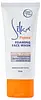 Key Ingredients
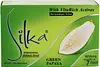
Benefits
Concerns
Ingredients Side-by-side
Water
Skin ConditioningGlycerin
Humectant


Lauric Acid
Cleansing




Palmitic Acid
Emollient
Glycol Stearate
Emollient
Potassium Hydroxide
BufferingMyristic Acid
Cleansing
Stearic Acid
Cleansing
Cocamide DEA
Emulsifying
Niacinamide
Smoothing









Betaine
Humectant
Glycol Distearate
Emollient
Polyquaternium-7
Polyquaternium-39
Parfum
Masking


Carica Papaya Fruit Extract
Skin ConditioningPanthenol
Skin Conditioning
Capric Acid
Cleansing
Oleic Acid
Emollient
DMDM Hydantoin
Preservative
Papain
Skin Conditioning
BHT
Antioxidant
Bisabolol
Antioxidant
Disodium EDTA
ChelatingIodopropynyl Butylcarbamate
Preservative
Butylene Glycol
Humectant
Arctostaphylos Uva Ursi Leaf Extract
Skin Conditioning
Magnesium Ascorbyl Phosphate
Antioxidant
Sodium Benzoate
Masking
Phenoxyethanol
Preservative
Sodium
Sodium Metabisulfite
Antioxidant
Water, Glycerin, Lauric Acid, Palmitic Acid, Glycol Stearate, Potassium Hydroxide, Myristic Acid, Stearic Acid, Cocamide DEA, Niacinamide, Betaine, Glycol Distearate, Polyquaternium-7, Polyquaternium-39, Parfum, Carica Papaya Fruit Extract, Panthenol, Capric Acid, Oleic Acid, DMDM Hydantoin, Papain, BHT, Bisabolol, Disodium EDTA, Iodopropynyl Butylcarbamate, Butylene Glycol, Arctostaphylos Uva Ursi Leaf Extract, Magnesium Ascorbyl Phosphate, Sodium Benzoate, Phenoxyethanol, Sodium, Sodium Metabisulfite



Ingredients Explained
These ingredients are found in both products.
Ingredients higher up in an ingredient list are typically present in a larger amount.
Glycerin (or glycerol) is a compound naturally found in your skin. It's a powerhouse humectant that pulls water into the stratum corneum.
Topically, glycerin does several things at once:
Your skin makes glycerin on its own (mostly from sebaceous oil breakdown) and shuttles it to your outermost layer of skin, or your epidermis, via aquaporin-3.
Aquaporin-3 is a transporter that is essential for normal skin hydration, elasticity, and repair. Interestingly, mice lacking in AQP3 have dry and less elastic skin that can be fully corrected with glycerin.
This ingredient is non-irritating, plays well with almost every ingredient, and works across all skin types. Typical use is anywhere between 3-10% but can go up to 79% in some leave-on products.
Just know very high concentrations (>40%) can feel tacky in low humidity.
Glycerin is the name for this ingredient in American English. British English uses Glycerol/Glycerine.
Learn more about GlycerinPanthenol is a common ingredient that helps hydrate and soothe the skin. It is found naturally in our skin and hair.
There are two forms of panthenol: D and L.
D-panthenol is also known as dexpanthenol. Most cosmetics use dexpanthenol or a mixture of D and L-panthenol.
Panthenol is famous due to its ability to go deeper into the skin's layers. Using this ingredient has numerous pros (and no cons):
Like hyaluronic acid, panthenol is a humectant. Humectants are able to bind and hold large amounts of water to keep skin hydrated.
This ingredient works well for wound healing. It works by increasing tissue in the wound and helps close open wounds.
Once oxidized, panthenol converts to pantothenic acid. Panthothenic acid is found in all living cells.
This ingredient is also referred to as pro-vitamin B5.
Learn more about PanthenolPapain is a proteolytic enzyme extracted from unripe papaya fruit. It is a gentle exfoliator that helps remove the dead skin cells from your outermost layer of skin.
Basically, papain works by dissolving the "glue" holding dead skin cells to your skin's surface. This also promotes cell turnover and smooths texture.
Unlike other exfoliants, papain can work without causing significant irritation.
Beyond exfoliation, its proteolytic action also helps soothe irritated skin and supports the healing of minor wounds.
A 2024 in vivo/in vitro study confirmed its potential to suppress skin inflammation and improve transepidermal water loss (TEWL) in atopic dermatitis models.
Just one thing worth noting: there are reports of allergic responses in individuals with a papaya or latex sensitivity. Be sure to patch test if you're in this camp.
Learn more about PapainParfum is a catch-all term for an ingredient or more that is used to give a scent to products.
Also called "fragrance", this ingredient can be a blend of hundreds of chemicals or plant oils. This means every product with "fragrance" or "parfum" in the ingredients list is a different mixture.
For instance, Habanolide is a proprietary trade name for a specific aroma chemical. When used as a fragrance ingredient in cosmetics, most aroma chemicals fall under the broad labeling category of “FRAGRANCE” or “PARFUM” according to EU and US regulations.
The term 'parfum' or 'fragrance' is not regulated in many countries. In many cases, it is up to the brand to define this term.
For instance, many brands choose to label themselves as "fragrance-free" because they are not using synthetic fragrances. However, their products may still contain ingredients such as essential oils that are considered a fragrance by INCI standards.
One example is Calendula flower extract. Calendula is an essential oil that still imparts a scent or 'fragrance'.
Depending on the blend, the ingredients in the mixture can cause allergies and sensitivities on the skin. Some ingredients that are known EU allergens include linalool and citronellol.
Parfum can also be used to mask or cover an unpleasant scent.
The bottom line is: not all fragrances/parfum/ingredients are created equally. If you are worried about fragrances, we recommend taking a closer look at an ingredient. And of course, we always recommend speaking with a professional.
Learn more about Parfum

