

What's inside
What's inside
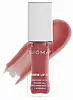 Key Ingredients
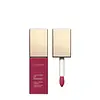
Benefits
Concerns
Ingredients Side-by-side
Polyglyceryl-2 Isostearate/Dimer Dilinoleate Copolymer
EmollientDimer Dilinoleyl Dimer Dilinoleate
EmollientDiisostearyl Malate
EmollientSimmondsia Chinensis Seed Oil
Emollient





Caprylic/Capric Triglyceride
Masking
Disteardimonium Hectorite
StabilisingCaprylyl Glycol
Emollient
Helianthus Annuus Seed Oil
Emollient
Hydroxyacetophenone
Antioxidant
Tocopherol
Antioxidant




Tocopheryl Acetate
Antioxidant
Titanium Dioxide
Cosmetic Colorant

CI 77491
Cosmetic ColorantCI 77492
Cosmetic ColorantCI 15850
Cosmetic ColorantCI 42090
Cosmetic ColorantCI 45410
Cosmetic ColorantCI 19140
Cosmetic ColorantCI 15985
Cosmetic ColorantPolyglyceryl-2 Isostearate/Dimer Dilinoleate Copolymer, Dimer Dilinoleyl Dimer Dilinoleate, Diisostearyl Malate, Simmondsia Chinensis Seed Oil, Caprylic/Capric Triglyceride, Disteardimonium Hectorite, Caprylyl Glycol, Helianthus Annuus Seed Oil, Hydroxyacetophenone, Tocopherol, Tocopheryl Acetate, Titanium Dioxide, CI 77491, CI 77492, CI 15850, CI 42090, CI 45410, CI 19140, CI 15985
Water
Skin ConditioningDiisostearyl Malate
EmollientIsododecane
EmollientPolyglyceryl-2 Isostearate/Dimer Dilinoleate Copolymer
EmollientGlycerin
Humectant
Propanediol
Solvent
Cetyl PEG/PPG-10/1 Dimethicone
Emulsifying
Silica
Abrasive


Corylus Avellana Seed Oil
Emollient
Magnesium Stearate
Cosmetic ColorantMagnesium Sulfate
Simmondsia Chinensis Seed Oil
Emollient
CI 77891
Cosmetic ColorantPhenoxyethanol
Preservative
Disteardimonium Hectorite
StabilisingParfum
Masking



Hydroxyacetophenone
Antioxidant
Vaccinium Macrocarpon Seed Oil
Skin Conditioning
Propylene Carbonate
SolventEthylhexylglycerin
Skin ConditioningDisodium EDTA
ChelatingTocopheryl Acetate
Antioxidant
Ammonium Glycyrrhizate
MaskingCI 16255
Cosmetic ColorantCI 19140
Cosmetic ColorantCI 77491
Cosmetic ColorantCI 45380
Cosmetic ColorantCI 77492
Cosmetic ColorantCI 77499
Cosmetic ColorantButylene Glycol
Humectant
CI 42090
Cosmetic ColorantMarrubium Vulgare Extract
Skin ConditioningAlumina
Abrasive
CI 15850
Cosmetic ColorantPhenethyl Alcohol
MaskingFurcellaria Lumbricalis Extract
Skin ConditioningLapsana Communis Flower/Leaf/Stem Extract
Skin ConditioningMaris Sal
Skin ConditioningSea Salt
Abrasive
Water, Diisostearyl Malate, Isododecane, Polyglyceryl-2 Isostearate/Dimer Dilinoleate Copolymer, Glycerin, Propanediol, Cetyl PEG/PPG-10/1 Dimethicone, Silica, Corylus Avellana Seed Oil, Magnesium Stearate, Magnesium Sulfate, Simmondsia Chinensis Seed Oil, CI 77891, Phenoxyethanol, Disteardimonium Hectorite, Parfum, Hydroxyacetophenone, Vaccinium Macrocarpon Seed Oil, Propylene Carbonate, Ethylhexylglycerin, Disodium EDTA, Tocopheryl Acetate, Ammonium Glycyrrhizate, CI 16255, CI 19140, CI 77491, CI 45380, CI 77492, CI 77499, Butylene Glycol, CI 42090, Marrubium Vulgare Extract, Alumina, CI 15850, Phenethyl Alcohol, Furcellaria Lumbricalis Extract, Lapsana Communis Flower/Leaf/Stem Extract, Maris Sal, Sea Salt
Ingredients Explained
These ingredients are found in both products.
Ingredients higher up in an ingredient list are typically present in a larger amount.
Ci 15850 is the pigment color red. It is an azo dye and created synthetically.
Azo dyes need to be thoroughly purified before use. This allows them to be more stable and longer-lasting.
This ingredient is common in foundations, lipsticks, and blushes. This color is described as brown/orangey red.
It has many secondary names such as Red 6 and Red 7. According to a manufacturer, Red 6 usually contains aluminum.
Learn more about CI 15850CI 19140 is also known as Tartrazine. Tartrazine is a synthetic dye used in cosmetics, foods, and medicine to add a yellow color.
Tartrazine is created from petroleum and is water-soluble.
Some people may experience allergies from this dye, especially asthmatics and those with an aspirin intolerance.
Learn more about CI 19140Ci 42090 is a synthetic dye created from petroleum. It is used to give a bright blue color to cosmetics, medicine, and food.
Ci 77491 is also hydrated iron III oxide. It's sole purpose is to give a red/pink hue to products.
Iron III oxides are classified as inorganic chemicals for coloring.
Synthetically created Ci 77491 is considered safer than those naturally found. This is because the synthetically created version may contain less impurities. Iron oxides are generally non-toxic and non-allergenic.
Learn more about CI 77491CI 77492 is also hydrated iron III oxide. It's sole purpose is to give a yellow hue to products.
Iron III oxides are classified as inorganic chemicals for coloring.
Synthetically created CI 77492 is considered safer than those naturally found. This is because the synthetically created version may contain less impurities. Iron oxides are generally non-toxic and non-allergenic.
Learn more about CI 77492Diisostearyl Malate is an emollient and most often used in lip products. It comes from isostearyl alcohol, a fatty acid, and malic acid, an AHA.
As an emollient, Diisostearyl Malate helps create a thin film on your skin to trap moisture in. This helps keep your skin soft and smooth.
Disteardimonium Hectorite comes from the clay mineral named hectorite. It is used to add thickness to a product.
It can also help stabilize a product by helping to disperse other ingredients.
Hectorite is a rare, white clay mineral.
Learn more about Disteardimonium HectoriteHydroxyacetophenone is a small phenolic molecule that earns its place in a formulas as an antioxidant and preservative booster.
As a phenol, it is able to neutralize free radicals to protect both the product and the skin from oxidative stress.
Though it can't kill microbes on its own, it works as a good supporting agent when combined with other preservatives like Phenoxyethanol or 1,2-Hexanediol.
This ingredient naturally occurs as piceol in Norwegian spruce needles (~0.4-1.1% dry weight and in cloudberries). Though the cosmetic-grade material is synthesized for purity and consistency.
You'll usually see it used at low levels and suppliers recommend up to 1% added to a water phase.
Safety testing was done at concentrations like 0.05% in SPF products and 0.5% in a Human Repeated Insult Patch Test. The safety evidence is assuring; this ingredient is safe for cosmetics in current use and also holds safety status as a food flavoring as well.
An honest caveat: the "soothing" and "anti-inflammatory" claims come mostly from supplier marketing rather than published clinical trials. The Cosmetic Ingredient Review's own literature search found no useful efficacy studies on this ingredient.
So the antioxidant and preservative-boosting roles are the well supported ones while the calming benefit is plausible but thinly evidenced.
Overall, this is a well-tolerated, low-irritation multitasker that quietly helps a formula stay fresh and stable.
Learn more about HydroxyacetophenoneWe don't have a description for Polyglyceryl-2 Isostearate/Dimer Dilinoleate Copolymer yet.
Jojoba oil is one of the most well-studied plant-derived ingredients in cosmetics. It is an emollient with a special structure.
Because it is made up of 97-98% wax esters, it closely mirrors the linear monoesters found in human sebum. This makes it skin compatible, non-greasy, and lightweight.
Unlike other plant oils, jojoba wax doesn't easily penetrate skin. It mostly works in the uppermost layers as an emollient. This just means it forms a light barrier on the skin to help retain moisture.
Formulations with jojoba esters up to 90% reduced transepidermal water loss (TEWL) and increased barrier recovery by 81% (outperforming bisabolol at 47%).
Besides barrier support, the science also suggests jojoba to have anti-inflammatory effects and potential applications for skin infections, aging, and wound healing.
Fun fact: Indigenous cultures have used jojoba as a moisturizer and to help treat burns for centuries.
Fungal acne: The Malassezia yeast is known to metabolize fatty acids in the C11-24 range and jojoba's dominant fatty acid components fall into this range. This ingredient may not be fungal acne safe.
Learn more about Simmondsia Chinensis Seed OilTocopheryl Acetate is a stable, shelf-friendly form of vitamin E.
Formulators love it because plain vitamin E oxidizes quickly once it hits air. This acetate version stays stable and resists going off, helping to extend a product's shelf life.
It's actually inactive on its own and works like a slow-release "storage" form; the enzymes in your skin called esterases gradually convert it into active vitamin E over time.
One in vivo study showed 5% of the acetate in the living layer of the epidermis converted to vitamin E after 5 days of application. This study also found the skin gained protection against UV damage even though the conversion was slow and small.
Once converted, vitamin E acts as a skin's main fat-soluble antioxidant that fights free radicals to protect skin from damage.
Topical vitamin E generally boosts the skin's photoprotection, and it reduced UV-damage in animal models.
This ingredient has some brightening potential but it's more of a prevention ingredient than spot-fader. Cell studies show it can slow down melanin production but it's worth noting that it's not the most powerful brightener out there.
Overall, it has a pretty solid safety profile and has been found to be non-irritating and non-comedogenic. Allergic reactions may happen but stay rare due to how widely the ingredient gets used.
The concentration will vary depending on the formula; industry data shows 0.1% in baby lotions, 3% in lipsticks, and 5% in foot powders. You can also find this ingredient at 100% in a pure vitamin E oil.
Most leave-on skincare keeps it at the lower end, often between 0.5-1%.
Learn more about Tocopheryl Acetate

