
What's inside
What's inside
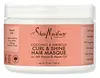 Key Ingredients
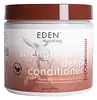
Benefits
Concerns
Ingredients Side-by-side
Water
Skin ConditioningCetearyl Alcohol
Emollient






Caprylic/Capric Triglyceride
Masking

Glycerin
Humectant
Butyrospermum Parkii Butter
Skin Conditioning
Stearyl Alcohol
Emollient
Cetyl Alcohol
Emollient
Behentrimonium Methosulfate
SurfactantCocos Nucifera Oil
Masking

Panthenol
Skin Conditioning

Behentrimonium Chloride
Preservative
Cocos Nucifera Fruit Juice
Emollient
Hydroxyethylcellulose
Emulsion StabilisingSodium Benzoate
Masking
Melia Azadirachta Seed Oil
Emollient
Argania Spinosa Kernel Oil
Emollient

Hibiscus Rosa-Sinensis Flower Extract
HumectantTocopherol
Antioxidant



Hydrolyzed Soy Protein
Humectant
Triethyl Citrate
Masking
Caprylyl Glycol
Emollient
Benzoic Acid
Masking
Parfum
Masking
Water, Cetearyl Alcohol, Caprylic/Capric Triglyceride, Glycerin, Butyrospermum Parkii Butter, Stearyl Alcohol, Cetyl Alcohol, Behentrimonium Methosulfate, Cocos Nucifera Oil, Panthenol, Behentrimonium Chloride, Cocos Nucifera Fruit Juice, Hydroxyethylcellulose, Sodium Benzoate, Melia Azadirachta Seed Oil, Argania Spinosa Kernel Oil, Hibiscus Rosa-Sinensis Flower Extract, Tocopherol, Hydrolyzed Soy Protein, Triethyl Citrate, Caprylyl Glycol, Benzoic Acid, Parfum
Water
Skin ConditioningCetyl Alcohol
Emollient
Stearyl Alcohol
Emollient
Stearalkonium Chloride
Preservative
Cocos Nucifera Oil
Masking
Tilia Cordata Flower
Skin ConditioningGlycerin
Humectant
Behentrimonium Methosulfate
SurfactantCetrimonium Chloride
Antimicrobial
Polyquaternium-11
Simmondsia Chinensis Seed Oil
Emollient
Daucus Carota Sativa Seed Oil
Emollient
Anthemis Nobilis Flower Oil
Masking
Melaleuca Alternifolia Leaf Oil
Antioxidant
Prunus Amygdalus Dulcis Oil
Skin Conditioning
Ricinus Communis Seed Oil
Masking
Tocopheryl Acetate
Antioxidant
Aloe Barbadensis Leaf Extract
Emollient
Hydroxyethylcellulose
Emulsion StabilisingDisodium EDTA
ChelatingPhenoxyethanol
Preservative
Caprylyl Glycol
Emollient
Sorbic Acid
Preservative
Water, Cetyl Alcohol, Stearyl Alcohol, Stearalkonium Chloride, Cocos Nucifera Oil, Tilia Cordata Flower, Glycerin, Behentrimonium Methosulfate, Cetrimonium Chloride, Polyquaternium-11, Simmondsia Chinensis Seed Oil, Daucus Carota Sativa Seed Oil, Anthemis Nobilis Flower Oil, Melaleuca Alternifolia Leaf Oil, Prunus Amygdalus Dulcis Oil, Ricinus Communis Seed Oil, Tocopheryl Acetate, Aloe Barbadensis Leaf Extract, Hydroxyethylcellulose, Disodium EDTA, Phenoxyethanol, Caprylyl Glycol, Sorbic Acid
Ingredients Explained
These ingredients are found in both products.
Ingredients higher up in an ingredient list are typically present in a larger amount.
Behentrimonium Methosulfate is a gentle, positively-charged conditioning agent made from rapeseed oil.
It's the opposite of a harsh cleansing sulfate despite having "sulfate" in its name; its a detangler/softener in haircare and helps keep oil/water blended into a creamy texture as an emulsifier.
Concentration-wise, safety review reports the wider trimonium family shows up between 0.0005% to 10% in rinse-off products and 0.001% to 4% in leave-on products.
This ingredient is commonly used at ~1–5% when acting as the emulsifier.
Allergies to this ingredient are rare; the CIR panel noted the literature lacks clinical reports of irritation or sensitization and patch tests on finished products containing it came back clean.
Learn more about Behentrimonium MethosulfateCaprylyl Glycol is a humectant, skin conditioner, emollient, and preservative booster derived from either caprylic acid or synthetically created.
Typical use levels vary from 0.3-1% as a preservative booster and go up to 2% to condition skin.
Because it is not a free-fatty acid, this ingredient is fungal acne safe (there's nothing for Malassezia to feed on).
Learn more about Caprylyl GlycolCetyl Alcohol is a fatty alcohol. Fatty Alcohols are most often used as an emollient or to thicken a product.
Its main roles are:
Though it has "alcohol" in the name, it is not related to denatured alcohol or ethyl alcohol.
The FDA allows products labeled "alcohol-free" to have fatty alcohols.
This ingredient may not be fungal acne safe. It is a primary fatty alcohol with a chain length above 12 carbons. A study from 2019 show Malassezia can feed on fatty alcohols in this range, so it may trigger fungal acne in those prone to it.
Learn more about Cetyl AlcoholThis ingredient is also known as coconut oil. It is a plant-derived ingredient with skin conditioning properties.
The fatty acid profile of coconut oil is mostly lauric acid (~54%), followed by capric, caprylic, palmitic, and myristic acids. This profile allows it to penetrate easily into skin, moisturize, and improve dry skin.
A double-blind study confirmed that extra virgin coconut oil is as effective as mineral oil for treating very dry skin. Another study found it outperformed mineral oil for mild to moderate atopic dermatitis in children.
Another study from 2018 found that virgin coconut oil can soothe inflammation and boost key skin barrier proteins. Just know this evidence is still only from lab settings and not human trials.
It has also been shown to reduce Staphylococcus aureus, a bacteria that commonly overgrows in people with eczema.
Clinical testing shows very minimal skin irritation and no evidence of sensitization or phototoxicity.
Coconut oil gets flagged as a "fragrance" because it has a natural mild scent (not because it's a synthetic perfume). The European Cosmetic ingredient database also lists "perfuming" as a function of this ingredient.
Just so you know, the term "fragrance" is completely unregulated. Some brands still use botanical extracts or essential oils in their "fragrance-free" formulas, but regulatory databases technically classify these under "fragrance".
Coconut oil has a tiny and useless bit of natural SPF. Early lab studies clocked it around SPF 7-8 but a more recent study found the real number closer to SPF 1.2. It also offers no meaningful UVA protection (SPF only overs UVB rays).
The comedogenic rating of 4/5 means it has a high potential to clog pores; but it's worth noting that comedogenicity is highly individual and ratings cannot predict how an overall formula will behave on skin.
Since lauric acid is the dominant fatty acid, this ingredient may not be fungal acne safe. The Malassezia yeast feeds on fatty acids with carbon chain lengths between 11-24, and lauric acid falls within these lengths (C12).
Learn more about Cocos Nucifera OilGlycerin (or glycerol) is a compound naturally found in your skin. It's a powerhouse humectant that pulls water into the stratum corneum.
Topically, glycerin does several things at once:
Your skin makes glycerin on its own (mostly from sebaceous oil breakdown) and shuttles it to your outermost layer of skin, or your epidermis, via aquaporin-3.
Aquaporin-3 is a transporter that is essential for normal skin hydration, elasticity, and repair. Interestingly, mice lacking in AQP3 have dry and less elastic skin that can be fully corrected with glycerin.
This ingredient is non-irritating, plays well with almost every ingredient, and works across all skin types. Typical use is anywhere between 3-10% but can go up to 79% in some leave-on products.
Just know very high concentrations (>40%) can feel tacky in low humidity.
Glycerin is the name for this ingredient in American English. British English uses Glycerol/Glycerine.
Learn more about GlycerinHydroxyethylcellulose is used to improve the texture of products. It is created from a chemical reaction involving ethylene oxide and alkali-cellulose. Cellulose is a sugar found in plant cell walls and help give plants structure.
This ingredient helps stabilize products by preventing ingredients from separating. It can also help thicken the texture of a product.
This ingredient can also be found in pill medicines to help our bodies digest other ingredients.
Learn more about HydroxyethylcelluloseStearyl Alcohol is a type of fatty alcohol from stearic acid. It is a white, waxy compound used to emulsify ingredients used as an emollient or to thicken a product.
Emollients help soothe and hydrate the skin by trapping moisture.
Fatty alcohols are usually derived from natural fats and oils and therefore do not have the same drying or irritating effect as solvent (ethanol) alcohols.
The FDA allows products labeled "alcohol-free" to have fatty alcohols.
This ingredient may not be fungal acne safe. It is a primary fatty alcohol with a chain length above 12 carbons. A study from 2019 show Malassezia can feed on fatty alcohols in this range, so it may trigger fungal acne in those prone to it.
Learn more about Stearyl AlcoholWater. It's the most common cosmetic ingredient of all. You'll usually see it at the top of ingredient lists, meaning that it makes up the largest part of the product.
So why is it so popular? Water most often acts as a solvent - this means that it helps dissolve other ingredients into the formulation.
You'll also recognize water as that liquid we all need to stay alive. If you see this, drink a glass of water. Remember to stay hydrated!
Learn more about Water

