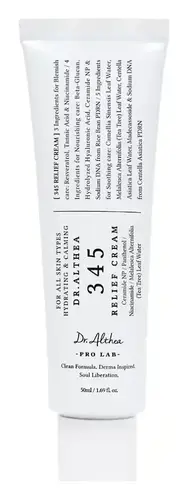
Shea Moisture African Black Soap Problem Skin Moisturizer Versus Naturally Vain HydraSoothe Face Moisturizer
This acne moisturizer is formulated around Butyrospermum Parkii Butter and Salicylic Acid to clear breakouts and strengthen the skin barrier.
This calming moisturizer is formulated around Simmondsia Chinensis Seed Oil and Panthenol to calm redness and hydrate skin.


What's inside
What's inside
 Key Ingredients
Benefits
Concerns
Ingredients Side-by-side
Water
Skin ConditioningButyrospermum Parkii Butter
Skin Conditioning






Emulsifying Wax Nf
Simmondsia Chinensis Seed Oil
Emollient

Mangifera Indica Seed Oil
Emollient
Taraktogenos Kurzii Seed Oil
Skin Conditioning
Nigella Sativa Seed Oil
Emollient
Leptospermum Scoparium Branch/Leaf Oil
Tonic
Potassium Lauroyl Wheat Amino Acids
CleansingPalm Glycerides
Emollient
Capryloyl Glycine
CleansingMagnolia Grandiflora Bark Extract
Antimicrobial
Glycerin
Humectant
Glyceryl Stearate
Emollient
Tea-Stearate
Cleansing
Sodium Behenoyl Lactylate
EmulsifyingSalicylic Acid
Masking








Panthenol
Skin Conditioning

Azadirachta Indica Seed Oil
Skin Conditioning
Punica Granatum Seed Oil
Emollient
Tamarindus Indica Seed Extract
EmollientSalix Alba Bark Extract
Astringent
Bisabolol
Antioxidant
Aloe Barbadensis Leaf Juice
Skin Conditioning
Glycine Soja Seed Extract
Skin Conditioning
Moroccan Lava Clay
Abrasive
Salvia Officinalis Oil
Masking
Melaleuca Alternifolia Leaf Oil
Antioxidant
Water, Butyrospermum Parkii Butter, Emulsifying Wax Nf, Simmondsia Chinensis Seed Oil, Mangifera Indica Seed Oil, Taraktogenos Kurzii Seed Oil, Nigella Sativa Seed Oil, Leptospermum Scoparium Branch/Leaf Oil, Potassium Lauroyl Wheat Amino Acids, Palm Glycerides, Capryloyl Glycine, Magnolia Grandiflora Bark Extract, Glycerin, Glyceryl Stearate, Tea-Stearate, Sodium Behenoyl Lactylate, Salicylic Acid, Panthenol, Azadirachta Indica Seed Oil, Punica Granatum Seed Oil, Tamarindus Indica Seed Extract, Salix Alba Bark Extract, Bisabolol, Aloe Barbadensis Leaf Juice, Glycine Soja Seed Extract, Moroccan Lava Clay, Salvia Officinalis Oil, Melaleuca Alternifolia Leaf Oil
Water
Skin ConditioningSimmondsia Chinensis Seed Oil
Emollient
Prunus Amygdalus Dulcis Oil
Skin Conditioning
Propanediol
Solvent
Emulsifying Wax Nf
Butyrospermum Parkii Butter
Skin Conditioning
Panthenol
Skin Conditioning
Cetyl Alcohol
Emollient

Tremella Fuciformis Sporocarp Extract
Antioxidant
Betaine
Humectant
Glycerin
Humectant
Allantoin
Skin Conditioning
Propylene Glycol
Humectant
Diazolidinyl Urea
Preservative
Iodopropynyl Butylcarbamate
Preservative
Ingredients Explained
These ingredients are found in both products.
Ingredients higher up in an ingredient list are typically present in a larger amount.
This ingredient is also known as shea butter. It is a plant-derived extract from the nuts of the Africa shea tree and one of the most well-studied emollients.
Because it has a high concentration of fatty acids (primarily oleic, stearic, and linoleic) it is able to form a protective barrier on the skin's surface. This helps seal in moisture and prevents transepidermal water loss (TEWL).
In vitro research found an increase in skin hydration by 58% and a decrease in TEWL by 37.8% after 24 hours of applying this ingredient (pretty impressive for a single ingredient!).
Besides hydration, shea butter also contains triterpenes that have anti-inflammatory potential. In particule, lupeol cinnamate has shown the highest anti-inflammatory activity in vivo.
Shea butter also contains vitamins A and E which may contribute to antioxidant activity.
While Shea Butter has an SPF rating of about 3-4, it is not a sunscreen replacement.
This ingredient may not be fungal acne safe because its fatty acids fall within the C11-C24 range that the Malassezia yeast can metabolize.
This ingredient shows up on a lot of "pore-clogging" lists but there's no real evidence behind that. It doesn't even have a comedogenic rating from an actual study; the numbers you'll find online come from blogs citing other blogs.
Ratings for other ingredients mostly come from a 1980s rabbit ear test. This test doesn't translate well to human skin or to real products because the ingredient sits at a much lower percentage.
Some people still find it breaks them out. So if that's you, definitely trust your skin. Just know this one's based on experience and not evidence.
Learn more about Butyrospermum Parkii ButterGlycerin (or glycerol) is a compound naturally found in your skin. It's a powerhouse humectant that pulls water into the stratum corneum.
Topically, glycerin does several things at once:
Your skin makes glycerin on its own (mostly from sebaceous oil breakdown) and shuttles it to your outermost layer of skin, or your epidermis, via aquaporin-3.
Aquaporin-3 is a transporter that is essential for normal skin hydration, elasticity, and repair. Interestingly, mice lacking in AQP3 have dry and less elastic skin that can be fully corrected with glycerin.
This ingredient is non-irritating, plays well with almost every ingredient, and works across all skin types. Typical use is anywhere between 3-10% but can go up to 79% in some leave-on products.
Just know very high concentrations (>40%) can feel tacky in low humidity.
Glycerin is the name for this ingredient in American English. British English uses Glycerol/Glycerine.
Learn more about GlycerinPanthenol is a common ingredient that helps hydrate and soothe the skin. It is found naturally in our skin and hair.
There are two forms of panthenol: D and L.
D-panthenol is also known as dexpanthenol. Most cosmetics use dexpanthenol or a mixture of D and L-panthenol.
Panthenol is famous due to its ability to go deeper into the skin's layers. Using this ingredient has numerous pros (and no cons):
Like hyaluronic acid, panthenol is a humectant. Humectants are able to bind and hold large amounts of water to keep skin hydrated.
This ingredient works well for wound healing. It works by increasing tissue in the wound and helps close open wounds.
Once oxidized, panthenol converts to pantothenic acid. Panthothenic acid is found in all living cells.
This ingredient is also referred to as pro-vitamin B5.
Learn more about PanthenolJojoba oil is one of the most well-studied plant-derived ingredients in cosmetics. It is an emollient with a special structure.
Because it is made up of 97-98% wax esters, it closely mirrors the linear monoesters found in human sebum. This makes it skin compatible, non-greasy, and lightweight.
Unlike other plant oils, jojoba wax doesn't easily penetrate skin. It mostly works in the uppermost layers as an emollient. This just means it forms a light barrier on the skin to help retain moisture.
Formulations with jojoba esters up to 90% reduced transepidermal water loss (TEWL) and increased barrier recovery by 81% (outperforming bisabolol at 47%).
Besides barrier support, the science also suggests jojoba to have anti-inflammatory effects and potential applications for skin infections, aging, and wound healing.
Fun fact: Indigenous cultures have used jojoba as a moisturizer and to help treat burns for centuries.
Fungal acne: The Malassezia yeast is known to metabolize fatty acids in the C11-24 range and jojoba's dominant fatty acid components fall into this range. This ingredient may not be fungal acne safe.
Learn more about Simmondsia Chinensis Seed OilWater. It's the most common cosmetic ingredient of all. You'll usually see it at the top of ingredient lists, meaning that it makes up the largest part of the product.
So why is it so popular? Water most often acts as a solvent - this means that it helps dissolve other ingredients into the formulation.
You'll also recognize water as that liquid we all need to stay alive. If you see this, drink a glass of water. Remember to stay hydrated!
Learn more about WaterThis is not considered an INCI ingredient.
Emulsifying Wax NF is about 2/3 cetearyl alcohol and 1/3 polysorbate 60. In cosmetics, this blend is usually listed out as the individual ingredients.
The NF stands for National Formulary, meaning it conforms to the approved composition.
This ingredient is used as an emulsifier. It stabilizes the product by keeping oils and waters together.
Learn more about Emulsifying Wax Nf