
What's inside
What's inside
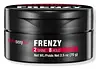 Benefits
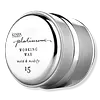
Concerns
Ingredients Side-by-side
Water
Skin ConditioningPetrolatum
Emollient



Cetearyl Alcohol
Emollient





Bis-Diglyceryl Polyacyladipate-2
Emollient
Copernicia Cerifera Cera
Emollient
Pvp
Emulsion StabilisingLanolin Wax
Emollient
Glycerin
Humectant

Vp/Va Copolymer
Ceteareth-25
CleansingOzokerite
Emulsion StabilisingParaffinum Liquidum
Emollient
Propylene Glycol
Humectant
Diethylhexyl Malate
EmollientPEG-40 Castor Oil
Emulsifying
PEG/PPG-18/18 Dimethicone
Emulsifying
Sd Alcohol 40-B
Astringent

Sucrose
Humectant
Cereus Grandiflorus Flower Extract
Skin ConditioningParfum
Masking

Methylparaben
Preservative


Propylparaben
Preservative
Phenoxyethanol
Preservative
Citronellol
Perfuming
Benzyl Salicylate
Perfuming
Alpha-Isomethyl Ionone
Perfuming
Hexyl Cinnamal
Perfuming
Butylphenyl Methylpropional
Perfuming
Limonene
Perfuming
Linalool
Perfuming
Amyl Cinnamal
Perfuming
Hydroxyisohexyl 3-Cyclohexene Carboxaldehyde
Masking
CI 77891
Cosmetic ColorantMica
Cosmetic ColorantCI 60725
Cosmetic ColorantCI 17200
Cosmetic ColorantWater, Petrolatum, Cetearyl Alcohol, Bis-Diglyceryl Polyacyladipate-2, Copernicia Cerifera Cera, Pvp, Lanolin Wax, Glycerin, Vp/Va Copolymer, Ceteareth-25, Ozokerite, Paraffinum Liquidum, Propylene Glycol, Diethylhexyl Malate, PEG-40 Castor Oil, PEG/PPG-18/18 Dimethicone, Sd Alcohol 40-B, Sucrose, Cereus Grandiflorus Flower Extract, Parfum, Methylparaben, Propylparaben, Phenoxyethanol, Citronellol, Benzyl Salicylate, Alpha-Isomethyl Ionone, Hexyl Cinnamal, Butylphenyl Methylpropional, Limonene, Linalool, Amyl Cinnamal, Hydroxyisohexyl 3-Cyclohexene Carboxaldehyde, CI 77891, Mica, CI 60725, CI 17200
Water
Skin ConditioningLanolin Wax
Emollient
Paraffinum Liquidum
Emollient
Cetearyl Alcohol
Emollient
Bis-Diglyceryl Polyacyladipate-2
Emollient
Pvp
Emulsion StabilisingPropylene Glycol
Humectant
Tribehenin
Emollient
Ceteareth-25
CleansingVp/Va Copolymer
Triethanolamine
BufferingBenzophenone-3
UV Absorber
PEG-40 Castor Oil
Emulsifying
Tetrasodium EDTA
ChelatingHydrolyzed Wheat Protein
Skin ConditioningDiazolidinyl Urea
Preservative
Urtica Dioica Extract
AstringentCymbopogon Schoenanthus Extract
Skin ConditioningC18-36 Acid Triglyceride
EmollientPropylparaben
Preservative
Methylparaben
Preservative
Acrylates/C10-30 Alkyl Acrylate Crosspolymer
Emulsion StabilisingParfum
Masking
PEG-8 Beeswax
Emulsifying
Water, Lanolin Wax, Paraffinum Liquidum, Cetearyl Alcohol, Bis-Diglyceryl Polyacyladipate-2, Pvp, Propylene Glycol, Tribehenin, Ceteareth-25, Vp/Va Copolymer, Triethanolamine, Benzophenone-3, PEG-40 Castor Oil, Tetrasodium EDTA, Hydrolyzed Wheat Protein, Diazolidinyl Urea, Urtica Dioica Extract, Cymbopogon Schoenanthus Extract, C18-36 Acid Triglyceride, Propylparaben, Methylparaben, Acrylates/C10-30 Alkyl Acrylate Crosspolymer, Parfum, PEG-8 Beeswax
Ingredients Explained
These ingredients are found in both products.
Ingredients higher up in an ingredient list are typically present in a larger amount.
Bis-Diglyceryl Polyacyladipate-2 is a synthetic emollient that works as a lanolin substitute.
This ingredient is a great vegan option for those avoiding animal-derived ingredients.
It mostly stays on the surface of skin where it helps hydrate due to its large molecular size and low water solubility.
Due to it being derived from fatty acids, this ingredient may not be Malassezia or fungal acne safe.
Learn more about Bis-Diglyceryl Polyacyladipate-2Ceteareth-25 comes from Cetearyl Alcohol. (And Cetearyl Alcohol is created from cetyl alcohol and stearyl alcohol.
This ingredient is a fatty alcohol used as an emulsifier and surfactant. As an emulsifier, it helps oil mix with water.
Like cetearyl alcohol, Ceteareth-25 can help thicken and create a gel-like consistency.
Learn more about Ceteareth-25Cetearyl alcohol is a waxy mixture of two fatty alcohols: cetyl alcohol and stearyl alcohol. It is an emollient and emulsifier.
Despite having "alcohol" in its name, it has nothing to do with drying solvent alcohols; the FDA also allows "alcohol-free" products to contain fatty alcohols like this ingredient.
It plays several roles in a formula:
Typical use levels for this ingredient sit around 1-10% and the Cosmetic Ingredient Review Expert Panel has affirmed safety at concentrations up to 25% in leave-on products.
Multiple assessments have found it to be non-irritating and non-sensitizing to most people.
However, there have been some cases of allergic contact dermatitis in patients with chronically compromised skin barriers.
Cetearyl alcohol has a comedogenic rating of 2 and irritancy rating of 1. Both of these numbers come from the 1989 study that used rabbit ears; a "2" means mildly comedogenic and a "1" means low irritancy.
Here's the catch: rabbit skin is more sensitive than human skin and throws a lot of false positives. A 1996 reappraisal found that ingredients rated 1-2 in the rabbit ear tests are generally safe for humans.
Remember comedogenic ratings are unable to assess the entire formula of a product or how it will react on your skin. Just be sure to patch test if you are unsure about certain ingredients.
This ingredient is not fungal acne safe. Cetearyl alcohol is a fatty alcohol with chain lengths that fall within the range that Malassezia can metabolize.
A 2019 study has also observed Malassezia growth in the presence of this ingredient, confirming it to be not-fungal acne safe.
Learn more about Cetearyl AlcoholLanolin Wax is the hard, high-melting fraction left behind when lanolin is split into a liquid and solid part (the runny part becomes lanolin oil).
Chemically, it's made up of mostly big, heavy esters of fatty acids paired with fatty alcohols and sterols. This is why it melts around 45-55°C and behaves like a hard wax rather than an oil.
Formulators use it as a thickener and occlusive emollient in balms, lipsticks, deodorant sticks, and rich creams.
Typical usage concentrations range from 1-25% depending on how much structure the formula needs.
The CIR Expert Panel has assessed this ingredient and found no adverse effects across multi-year exposure studies.
This ingredient may not be fungal acne safe. The Malassezia yeast needs fatty acids roughly 11 - 24 carbons long to grow, and lanolin wax is essentially a reservoir of exact that.
Lanolin has a loud reputation but a modest track record for allergies. Across nearly 44,000 patch-tested dermatitis patients from 2001-2018, 3.3.% reacted positively to lanolin markers. A Danish clinic saw prevalence of allergies rise from 0.45% to 1.81% over twelve years.
In people with healthy skin, lanolin is considered a rare sensitizer and the elevated risk sits with chronic inflammatory skin conditions and broken skin where inflamed skin sensitizes more easily.
Learn more about Lanolin WaxMethylparaben is a synthetic preservative and one of the most widely used in the world. It has a simple, but important job: prevent your products from going bad by stopping bacteria, yeast, and mold from growing.
Typical use levels are low, often 0.1-0.3%.
This is also one of the most heavily studied preservatives out there and major regulatory bodies have repeatedly given it the green light.
In 2023, the EU's Scientific Committee on Consumer Safety (SCCS) confirmed that this ingredient is safe up to 0.4% on its own, of up to 0.8% when mixed with other paraben esters.
Here's the science behind the noise behind parabens/hormones as well:
Methylparaben shows very weak estrogen-like activity in vitro tests (more than 1,000x weaker than your body's own estradiol). In vivo (live-organism) studies don't support a meaningful endocrine-disrupting effect either.
You get a stronger estrogenic effect from eating tofu, actually.
It's also a low sensitizer and allergic reactions are uncommon; they usually happen on damage or broken skin.
There is a caveat: France has proposed to formally re-examine its endocrine classification in 2025 so the regulatory conversation isn't fully closed as of yet.
But as it stands today, this ingredient is considered safe at permitted levels.
Learn more about MethylparabenParaffinum Liquidum is a highly-refined cosmetic-grade mineral oil. It is also known as liquid paraffin.
Despite its controversial reputation, the science is pretty clear: it's one of the most well-studied and effective moisturizing ingredients out there.
As an occlusive, it forms a protective layer on the skin that locks in moisture and prevents transepidermal water loss (TEWL). This makes it especially great for compromised skin barriers.
The "it clogs your pores" myth has been around for decades; a study found that industrial-grade mineral oil may be comedogenic but cosmetic-grade mineral oil is not (these two are very, very different).
A 2017 review concluded that cosmetic use of mineral oils and waxes does not present a risk to consumers due to absorption.
Mineral oil got a bad rap from the old rabbit ear studies. When tested on actual human skin, cosmetic-grade mineral oil showed no comedogenic activity. The rating of 0 is a correction of outdated science.
Mineral oil is an inert substance with no fatty acids so there's nothing to feed Malassezia. This ingredient is fungal acne safe.
Learn more about Paraffinum LiquidumParfum is a catch-all term for an ingredient or more that is used to give a scent to products.
Also called "fragrance", this ingredient can be a blend of hundreds of chemicals or plant oils. This means every product with "fragrance" or "parfum" in the ingredients list is a different mixture.
For instance, Habanolide is a proprietary trade name for a specific aroma chemical. When used as a fragrance ingredient in cosmetics, most aroma chemicals fall under the broad labeling category of “FRAGRANCE” or “PARFUM” according to EU and US regulations.
The term 'parfum' or 'fragrance' is not regulated in many countries. In many cases, it is up to the brand to define this term.
For instance, many brands choose to label themselves as "fragrance-free" because they are not using synthetic fragrances. However, their products may still contain ingredients such as essential oils that are considered a fragrance by INCI standards.
One example is Calendula flower extract. Calendula is an essential oil that still imparts a scent or 'fragrance'.
Depending on the blend, the ingredients in the mixture can cause allergies and sensitivities on the skin. Some ingredients that are known EU allergens include linalool and citronellol.
Parfum can also be used to mask or cover an unpleasant scent.
The bottom line is: not all fragrances/parfum/ingredients are created equally. If you are worried about fragrances, we recommend taking a closer look at an ingredient. And of course, we always recommend speaking with a professional.
Learn more about ParfumPeg-40 Castor Oil is a peg (polyethylene glycol) derivative of castor oil.
This ingredient may not be Malassezia folliculitis, or fungal-acne safe.
Propylene Glycol is a synthetic, colorless, odorless liquid that has been a staple in cosmetics for decades. It is a skin conditioning agent, humectant, and solvent.
As a humectant, it draw water to the skin to reduce flaking and restore suppleness. It's also a solvent that helps dissolve other actives and keeps formulas stable across temperature changes.
The CIR Expert Panel has confirmed this ingredient to be nontoxic and clinical studies show no sensitization at cosmetic use concentrations.
True allergic reactions are quite rare: a 15-year retrospective study of 6,751 patients found only 0.31% had a positive reaction (and less than half were considered clinically relevant).
It seemed that when sensitization does occur, it's most commonly linked to topical medication (like corticosteroids) and not cosmetics. Allergic contact dermatitis also appears largely limited to individuals with underlying skin conditions.
Overall, propylene glycol is a well-studied ingredient that most people can tolerate without issue.
Learn more about Propylene GlycolPropylparaben is a preservative and one of the most widely used members of the paraben family (it's been used in cosmetics for over a century now).
It works by disrupting microbial cell membranes and enzymes, and is a broad-spectrum protector that works exceptionally well against molds, yeasts, and gram-positive bacteria.
You'll likely see it paired with methylparaben to cover the full range (including gram-negative bacteria).
This ingredient is effective at low concentrations (~0.2-0.5%) and stable across a wide pH range (4.5-7.5 pH). It's effectiveness drops off above pH 8 and it can lose potency when combined with non-ionic surfactants like polysorbate 80 due to micellization.
The regulatory bodies have concluded this ingredient to be safe as used in cosmetics. The EU has capped it at 0.14% and combined parabens are not to exceed 0.8%.
While parabens do cross the stratum corneum, only about 1% remains for absorption into the body. This is because most of it is metabolized within living skin.
Learn more about PropylparabenPvp is a water-soluble synthetic polymer and common hairstyling ingredient. It is a film-forming ingredient and used to "hold" specific shapes of hair.
In cosmetics, PVP helps products like sunscreens and color cosmetics last longer and wear more evenly.
It is less effective in high-humidity. It tends to draw moisture, but this moisture dismantles the structure and "hold".
PVP is generally well tolerated on skin and toxicity studies are negative for dermal irritation.
Learn more about PvpVP/VA Copolymer is a synthetic polymer made by joining two smaller molecules (vinylpyrrolidone and vinyl acetate) into a larger chain.
It is mainly used as a film-former and fixing agent. When a product dries, it creates a thin and flexible layer on the skin, hair, or nails. This film helps hold hairstyles into place, adds a smooth feel to skin, and traps moisture to reduce dryness.
Irritation is rare at normal concentrations and it doesn't penetrate deeply into skin.
Learn more about Vp/Va CopolymerWater. It's the most common cosmetic ingredient of all. You'll usually see it at the top of ingredient lists, meaning that it makes up the largest part of the product.
So why is it so popular? Water most often acts as a solvent - this means that it helps dissolve other ingredients into the formulation.
You'll also recognize water as that liquid we all need to stay alive. If you see this, drink a glass of water. Remember to stay hydrated!
Learn more about Water

