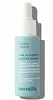
This acne serum is formulated around Mandelic Acid and Zinc PCA to clear breakouts and soften the look of wrinkles.

What's inside
What's inside
 Key Ingredients
Benefits
Concerns
Ingredients Side-by-side
Water
Skin ConditioningGlycerin
Humectant


Butylene Glycol
Humectant
Mandelic Acid
Antimicrobial









Propylene Glycol
Humectant
Sodium Polyacrylate
Absorbent
Sodium Hydroxide
BufferingAlpha-Glucan Oligosaccharide
Cleansing
Copper PCA
HumectantZinc PCA
Humectant

Ganoderma Lucidum Extract
Skin Protecting
Centella Asiatica Extract
Cleansing
Dipotassium Glycyrrhizate
Humectant
Polylysine
Nicotiana Benthamiana Hexapeptide-40 Sh-Polypeptide-76
Skin Conditioning
1,2-Hexanediol
Skin Conditioning
Polyacrylate Crosspolymer-6
Emulsion StabilisingHydroxyethylcellulose
Emulsion StabilisingPropanediol
Solvent
Caprylyl Glycol
Emollient
T-Butyl Alcohol
Perfuming



Xanthan Gum
EmulsifyingHydroxyacetophenone
Antioxidant
Tetrasodium Glutamate Diacetate
ChelatingParfum
Masking
Water, Glycerin, Butylene Glycol, Mandelic Acid, Propylene Glycol, Sodium Polyacrylate, Sodium Hydroxide, Alpha-Glucan Oligosaccharide, Copper PCA, Zinc PCA, Ganoderma Lucidum Extract, Centella Asiatica Extract, Dipotassium Glycyrrhizate, Polylysine, Nicotiana Benthamiana Hexapeptide-40 Sh-Polypeptide-76, 1,2-Hexanediol, Polyacrylate Crosspolymer-6, Hydroxyethylcellulose, Propanediol, Caprylyl Glycol, T-Butyl Alcohol, Xanthan Gum, Hydroxyacetophenone, Tetrasodium Glutamate Diacetate, Parfum
Water
Skin ConditioningGlycereth-26
Humectant
Isodecyl Neopentanoate
EmollientSodium Polyacrylate
Absorbent
Butylene Glycol
Humectant
Alpha-Glucan Oligosaccharide
Cleansing
Zinc PCA
Humectant
Mannitol
Humectant
Chondrus Crispus Powder
Abrasive

Methylsilanol Mannuronate
Skin ConditioningRetinal
Skin Conditioning
Sodium Carboxymethyl Beta-Glucan
CleansingPolylysine
Nicotiana Benthamiana Hexapeptide-40 Sh-Polypeptide-76
Skin Conditioning
1,2-Hexanediol
Skin Conditioning
Glycerin
Humectant
Silica
Abrasive
Phosphatidylcholine
EmulsifyingSclerotium Gum
Emulsion StabilisingCetyl Alcohol
Emollient

Methylpropanediol
SolventPentylene Glycol
Skin Conditioning
Xanthan Gum
EmulsifyingSodium Chloride
MaskingHydroxyacetophenone
Antioxidant
Citric Acid
Buffering
Potassium Sorbate
Preservative
Sodium Benzoate
Masking
Parfum
Masking
Water, Glycereth-26, Isodecyl Neopentanoate, Sodium Polyacrylate, Butylene Glycol, Alpha-Glucan Oligosaccharide, Zinc PCA, Mannitol, Chondrus Crispus Powder, Methylsilanol Mannuronate, Retinal, Sodium Carboxymethyl Beta-Glucan, Polylysine, Nicotiana Benthamiana Hexapeptide-40 Sh-Polypeptide-76, 1,2-Hexanediol, Glycerin, Silica, Phosphatidylcholine, Sclerotium Gum, Cetyl Alcohol, Methylpropanediol, Pentylene Glycol, Xanthan Gum, Sodium Chloride, Hydroxyacetophenone, Citric Acid, Potassium Sorbate, Sodium Benzoate, Parfum
Ingredients Explained
These ingredients are found in both products.
Ingredients higher up in an ingredient list are typically present in a larger amount.
1,2-Hexanediol is a synthetic liquid and another multi-functional powerhouse.
It is a:
- Humectant, drawing moisture into the skin
- Emollient, helping to soften skin
- Solvent, dispersing and stabilizing formulas
- Preservative booster, enhancing the antimicrobial activity of other preservatives
Alpha-Glucan Oligosaccharide is a prebiotic. It prevents harmful bacteria from growing on skin by keeping the skin's microbiome in balance.
Another benefit of this ingredient is its antioxidant properties. Antioxidants protect our skin from oxidative damage.
Butylene Glycol (or BG) is used within cosmetic products for a few different reasons:
Overall, Butylene Glycol is a safe and well-rounded ingredient that works well with other ingredients.
Though this ingredient works well with most skin types, some people with sensitive skin may experience a reaction such as allergic rashes, closed comedones, or itchiness.
Learn more about Butylene GlycolGlycerin (or glycerol) is a compound naturally found in your skin. It's a powerhouse humectant that pulls water into the stratum corneum.
Topically, glycerin does several things at once:
Your skin makes glycerin on its own (mostly from sebaceous oil breakdown) and shuttles it to your outermost layer of skin, or your epidermis, via aquaporin-3.
Aquaporin-3 is a transporter that is essential for normal skin hydration, elasticity, and repair. Interestingly, mice lacking in AQP3 have dry and less elastic skin that can be fully corrected with glycerin.
This ingredient is non-irritating, plays well with almost every ingredient, and works across all skin types. Typical use is anywhere between 3-10% but can go up to 79% in some leave-on products.
Just know very high concentrations (>40%) can feel tacky in low humidity.
Glycerin is the name for this ingredient in American English. British English uses Glycerol/Glycerine.
Learn more about GlycerinHydroxyacetophenone is a small phenolic molecule that earns its place in a formulas as an antioxidant and preservative booster.
As a phenol, it is able to neutralize free radicals to protect both the product and the skin from oxidative stress.
Though it can't kill microbes on its own, it works as a good supporting agent when combined with other preservatives like Phenoxyethanol or 1,2-Hexanediol.
This ingredient naturally occurs as piceol in Norwegian spruce needles (~0.4-1.1% dry weight and in cloudberries). Though the cosmetic-grade material is synthesized for purity and consistency.
You'll usually see it used at low levels and suppliers recommend up to 1% added to a water phase.
Safety testing was done at concentrations like 0.05% in SPF products and 0.5% in a Human Repeated Insult Patch Test. The safety evidence is assuring; this ingredient is safe for cosmetics in current use and also holds safety status as a food flavoring as well.
An honest caveat: the "soothing" and "anti-inflammatory" claims come mostly from supplier marketing rather than published clinical trials. The Cosmetic Ingredient Review's own literature search found no useful efficacy studies on this ingredient.
So the antioxidant and preservative-boosting roles are the well supported ones while the calming benefit is plausible but thinly evidenced.
Overall, this is a well-tolerated, low-irritation multitasker that quietly helps a formula stay fresh and stable.
Learn more about HydroxyacetophenoneThis is a lab-designed fusion peptide that gets its name from how it's made.
It pairs a small carrier peptide with a single-chain recombinant human protein that engineered to be identical to the human gene coding for Transforming Growth Factor Beta-2 (TGF-β2).
Rather than being brewed in bacteria, it's grown inside Nicotiana benthamiana, a tobacco relative used as a tiny plant "factory" (a technique called molecular farming that's well documented in the scientific literature for producing functional human growth factors).
In a formula, this ingredient acts as an anti-aging and skin conditioning active.
TGF-β2 is a signaling molecule that switches on the pathway in your skin to stimulate the synthesis of collagen I and support the skin's own lipid production.
This is why manufacturer's pitch it as a retinol-like alternative. And unlike retinoids, this ingredient doesn't increase your skin's sensitivity to the sun in the first few weeks of use. This makes it suitable for daytime use.
The headline claims for this ingredient come from the manufacturer's own 28 day in vivo studies. They reported reductions in wrinkle count, volume and depth, pore size reduction, and increases in radiance, hydration, firmness, and elasticity.
Though these sound solid, just keep in mind these are company-run trials rather than independent peer-reviewed dermatology papers.
The broader peer-reviewed work mostly backs the production method and the general collagen-stimulating biology of plant made TGF-β2 proteins and not an exact finished product.
One honest caveat: the molecule is large (like collagen) so it likely sits more at the surface rather than penetrating deeply into skin.
Typical concentration use levels are quite low and the actual bioactive protein is only present in trace amounts since growth factors work at very low doses.
Learn more about Nicotiana Benthamiana Hexapeptide-40 Sh-Polypeptide-76Parfum is a catch-all term for an ingredient or more that is used to give a scent to products.
Also called "fragrance", this ingredient can be a blend of hundreds of chemicals or plant oils. This means every product with "fragrance" or "parfum" in the ingredients list is a different mixture.
For instance, Habanolide is a proprietary trade name for a specific aroma chemical. When used as a fragrance ingredient in cosmetics, most aroma chemicals fall under the broad labeling category of “FRAGRANCE” or “PARFUM” according to EU and US regulations.
The term 'parfum' or 'fragrance' is not regulated in many countries. In many cases, it is up to the brand to define this term.
For instance, many brands choose to label themselves as "fragrance-free" because they are not using synthetic fragrances. However, their products may still contain ingredients such as essential oils that are considered a fragrance by INCI standards.
One example is Calendula flower extract. Calendula is an essential oil that still imparts a scent or 'fragrance'.
Depending on the blend, the ingredients in the mixture can cause allergies and sensitivities on the skin. Some ingredients that are known EU allergens include linalool and citronellol.
Parfum can also be used to mask or cover an unpleasant scent.
The bottom line is: not all fragrances/parfum/ingredients are created equally. If you are worried about fragrances, we recommend taking a closer look at an ingredient. And of course, we always recommend speaking with a professional.
Learn more about ParfumWe don't have a description for Polylysine yet.
Sodium Polyacrylate is the sodium salt of polyacrylic acid. It is used as an absorber, emollient, and stabilizer.
This ingredient is a super-absorbent polymer - meaning it can absorb 100 to 1000 times its mass in water. As an emollient, Sodium Polyacrylate helps soften and soothe skin. Emollients work by creating a barrier to trap moisture in. This helps keep your skin hydrated.
Water. It's the most common cosmetic ingredient of all. You'll usually see it at the top of ingredient lists, meaning that it makes up the largest part of the product.
So why is it so popular? Water most often acts as a solvent - this means that it helps dissolve other ingredients into the formulation.
You'll also recognize water as that liquid we all need to stay alive. If you see this, drink a glass of water. Remember to stay hydrated!
Learn more about WaterXanthan gum is used as a stabilizer and thickener within cosmetic products. It helps give products a sticky, thick feeling - preventing them from being too runny.
On the technical side of things, xanthan gum is a polysaccharide - a combination consisting of multiple sugar molecules bonded together.
Xanthan gum is a pretty common and great ingredient. It is a natural, non-toxic, non-irritating ingredient that is also commonly used in food products.
Learn more about Xanthan GumZinc PCA is a clever two-in-one molecule: the zinc salt of pyrrolidone carboxylic acid (PCA).
Think of it as two useful things bonded together; the PCA half is one of your skin's own natural moisturizing factors (NMF) so it helps hold water in the upper layers. On the other hand, the zinc half does the heavy lifting on oil and bacteria.
The zinc part slows down an enzyme that turns testosterone into DHT, the hormone that tells your oil glands to pump out more sebum. Less of that signal means less oil. It also gently fights acne-causing bacteria and soothes redness/irritation.
This is why Zinc PCA often shows up in products for oily, breakout-prone skin and greasy scalps.
One lab study also hinted it might have a small anti-aging perk because it seemed to protect collagen from UVA damage and even helped the skin make a bit more of it. That last bit is still early research done in a dish and not real skin, so take it as a nice bonus rather than a promise for now.
As for scar healing, the picture is more "maybe" than a firm yes. Zinc itself plays a real role in wound repair because it is a cofactor for the enzymes involved in collagen building, calming inflammation, and helping new skin cells cover a wound. Lower zinc levels are also linked to slower healing.
Most of the scar healing research is on zinc oxide or oral zinc rather than zinc PCA specifically, with a focus on healing fresh wounds instead of scars that are already there.
Direct evidence that zinc PCA improves the look of established scars is still limited at this time. Though it would be fair to say zinc PCA supports the general skin-repair environment thanks to its zinc content .
This ingredient is water-soluble and plays nicely with other actives like niacinamide and salicylic acid. It works best at mildly acidic formulas (~4-6 pH) and is effective at low levels. Around 0.1% is enough to be active and finished products commonly use it anywhere up to 4%.
Overall, this is a well-tolerated, low-drama multitasker that suits oily and acne-prone skin.
Learn more about Zinc PCA

