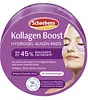
This anti-aging eye mask is formulated around Centella Asiatica Leaf Extract and Sodium Hyaluronate to soften the look of wrinkles and hydrate skin.
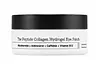
This anti-aging eye mask is formulated around Niacinamide and Acetyl Hexapeptide-8 to soften the look of wrinkles.


What's inside
What's inside
 Key Ingredients
Benefits
Concerns
Ingredients Side-by-side
Water
Skin ConditioningGlycerin
Humectant


Propylene Glycol
Humectant

Chondrus Crispus
Masking
1,2-Hexanediol
Skin Conditioning
Trehalose
Humectant
Centella Asiatica Leaf Extract
Skin Conditioning

Hydrolyzed Collagen
Emollient
Kousou
Skin ConditioningSodium Hyaluronate
Humectant
Vitis Vinifera Fruit Extract
Skin ConditioningButylene Glycol
Humectant
Dipropylene Glycol
HumectantEthylhexylglycerin
Skin ConditioningGlucomannan
Skin ConditioningHydroxyacetophenone
Antioxidant
Maltodextrin
Absorbent
Phenoxyethanol
Preservative
Potassium Chloride
Synthetic Fluorphlogopite
Tin Oxide
Abrasive
Xanthan Gum
EmulsifyingCI 77007
Cosmetic ColorantCI 77891
Cosmetic ColorantWater, Glycerin, Propylene Glycol, Chondrus Crispus, 1,2-Hexanediol, Trehalose, Centella Asiatica Leaf Extract, Hydrolyzed Collagen, Kousou, Sodium Hyaluronate, Vitis Vinifera Fruit Extract, Butylene Glycol, Dipropylene Glycol, Ethylhexylglycerin, Glucomannan, Hydroxyacetophenone, Maltodextrin, Phenoxyethanol, Potassium Chloride, Synthetic Fluorphlogopite, Tin Oxide, Xanthan Gum, CI 77007, CI 77891
Water
Skin ConditioningDipropylene Glycol
HumectantGlycerin
Humectant
Niacinamide
Smoothing






Ceratonia Siliqua Gum
EmollientChondrus Crispus Powder
Abrasive
Chondrus Crispus
Masking
Cellulose Gum
Emulsion StabilisingHydroxyacetophenone
Antioxidant
Algin
MaskingCaprylyl Glycol
Emollient
Potassium Chloride
Betaine
Humectant
Panthenol
Skin Conditioning
Sucrose
Humectant
Ethylhexylglycerin
Skin ConditioningSodium Polyacrylate
Absorbent
Polyglyceryl-10 Laurate
Skin Conditioning
Adenosine
Skin Conditioning
Polyglyceryl-10 Myristate
Skin Conditioning
Maltodextrin
Absorbent
Caffeine
Skin Conditioning
Collagen
Moisturising
Butylene Glycol
Humectant
Cyanocobalamin
Skin Conditioning1,2-Hexanediol
Skin Conditioning
Sodium Hyaluronate
Humectant
Dipotassium Glycyrrhizate
Humectant
Pantolactone
Humectant
Pentylene Glycol
Skin Conditioning
Acetyl Hexapeptide-8
Humectant
Dunaliella Salina Extract
Skin ConditioningSh-Polypeptide-121
Skin Conditioning
Palmitoyl Tripeptide-5
Skin Conditioning
Hydrolyzed Hyaluronic Acid
Humectant
Hyaluronic Acid
Humectant
Potassium Hyaluronate
Skin ConditioningHydrolyzed Sodium Hyaluronate
Skin Conditioning
Acetyl Tetrapeptide-5
Humectant
Citric Acid
Buffering
Disodium EDTA
ChelatingWater, Dipropylene Glycol, Glycerin, Niacinamide, Ceratonia Siliqua Gum, Chondrus Crispus Powder, Chondrus Crispus, Cellulose Gum, Hydroxyacetophenone, Algin, Caprylyl Glycol, Potassium Chloride, Betaine, Panthenol, Sucrose, Ethylhexylglycerin, Sodium Polyacrylate, Polyglyceryl-10 Laurate, Adenosine, Polyglyceryl-10 Myristate, Maltodextrin, Caffeine, Collagen, Butylene Glycol, Cyanocobalamin, 1,2-Hexanediol, Sodium Hyaluronate, Dipotassium Glycyrrhizate, Pantolactone, Pentylene Glycol, Acetyl Hexapeptide-8, Dunaliella Salina Extract, Sh-Polypeptide-121, Palmitoyl Tripeptide-5, Hydrolyzed Hyaluronic Acid, Hyaluronic Acid, Potassium Hyaluronate, Hydrolyzed Sodium Hyaluronate, Acetyl Tetrapeptide-5, Citric Acid, Disodium EDTA
Reviews
Ingredients Explained
These ingredients are found in both products.
Ingredients higher up in an ingredient list are typically present in a larger amount.
1,2-Hexanediol is a synthetic liquid and another multi-functional powerhouse.
It is a:
- Humectant, drawing moisture into the skin
- Emollient, helping to soften skin
- Solvent, dispersing and stabilizing formulas
- Preservative booster, enhancing the antimicrobial activity of other preservatives
Butylene Glycol (or BG) is used within cosmetic products for a few different reasons:
Overall, Butylene Glycol is a safe and well-rounded ingredient that works well with other ingredients.
Though this ingredient works well with most skin types, some people with sensitive skin may experience a reaction such as allergic rashes, closed comedones, or itchiness.
Learn more about Butylene GlycolChondrus Crispus is the red seaweed that grows along the North Atlantic. It's the same alga that gives us carrageenan, the thickener in your oat milk.
In formulas, it's a skin conditioner and masking ingredient that helps cover the scent of other ingredients. It also behaves as a thickener, similar to the extract.
Industry data shows concentrations range from 0.00004-1.4%.
You'll see algae listed as a 5/5 on a lot of pore-clogging charts and that number doesn't come from anywhere; it's not in the original rabbit-ear studies that most comedogenic ratings trace back to.
The reasoning behind the reputation is that seaweed is high in iodine and iodine can trigger acne-like breakouts when eaten. This traces back to a 1976 letter in Archives of Dermatology describing two women whose breakouts cleared after they stopped taking high-dose kelp supplements orally.
And the reaction of these two women wasn't clogged pores at all: it was an iodine-triggered pustular rash. Later research found normal dietary iodine doesn't meaningfully affect acne either and nobody has shown topical algae delivers enough iodine to matter.
What we do have is dozens of brown and red algae ingredients found to be non-irritating and non-sensitizing, and a handful of studies that found algae compounds may actually help acne.
However, plenty of people do report breaking out from algae-containing products. Skin is individual and it's worth avoiding if yours has reacted to algae before.
Learn more about Chondrus CrispusDipropylene Glycol is a synthetically created humectant, stabilizer, and solvent.
This ingredient helps:
Dipropylene glycol is technically an alcohol, but it belongs to the glycol family (often considered part of the ‘good’ alcohols). This means it is hydrating and gentle on skin unlike drying solvent alcohols like denatured alcohol.
As a masking agent, Dipropylene Glycol can be used to cover the smell of other ingredients. However, it does not have a scent.
Studies show Dipropylene Glycol is considered safe to use in skincare.
Learn more about Dipropylene GlycolEthylhexylglycerin is created from glycerin. It is a multitasker ingredient that:
The CIR Expert Panel found minimal skin absorption or sensitization of any kind in a safety assessment. Though this ingredient is considered well-tolerated, a small number of cases of allergic dermatitis have been published since 2002. Just be sure to patch test if you are unsure.
Industry-reported use ranges from 8% in rinse-off products and 2% in leave-on formulations.
Learn more about EthylhexylglycerinGlycerin (or glycerol) is a compound naturally found in your skin. It's a powerhouse humectant that pulls water into the stratum corneum.
Topically, glycerin does several things at once:
Your skin makes glycerin on its own (mostly from sebaceous oil breakdown) and shuttles it to your outermost layer of skin, or your epidermis, via aquaporin-3.
Aquaporin-3 is a transporter that is essential for normal skin hydration, elasticity, and repair. Interestingly, mice lacking in AQP3 have dry and less elastic skin that can be fully corrected with glycerin.
This ingredient is non-irritating, plays well with almost every ingredient, and works across all skin types. Typical use is anywhere between 3-10% but can go up to 79% in some leave-on products.
Just know very high concentrations (>40%) can feel tacky in low humidity.
Glycerin is the name for this ingredient in American English. British English uses Glycerol/Glycerine.
Learn more about GlycerinHydroxyacetophenone is a small phenolic molecule that earns its place in a formulas as an antioxidant and preservative booster.
As a phenol, it is able to neutralize free radicals to protect both the product and the skin from oxidative stress.
Though it can't kill microbes on its own, it works as a good supporting agent when combined with other preservatives like Phenoxyethanol or 1,2-Hexanediol.
This ingredient naturally occurs as piceol in Norwegian spruce needles (~0.4-1.1% dry weight and in cloudberries). Though the cosmetic-grade material is synthesized for purity and consistency.
You'll usually see it used at low levels and suppliers recommend up to 1% added to a water phase.
Safety testing was done at concentrations like 0.05% in SPF products and 0.5% in a Human Repeated Insult Patch Test. The safety evidence is assuring; this ingredient is safe for cosmetics in current use and also holds safety status as a food flavoring as well.
An honest caveat: the "soothing" and "anti-inflammatory" claims come mostly from supplier marketing rather than published clinical trials. The Cosmetic Ingredient Review's own literature search found no useful efficacy studies on this ingredient.
So the antioxidant and preservative-boosting roles are the well supported ones while the calming benefit is plausible but thinly evidenced.
Overall, this is a well-tolerated, low-irritation multitasker that quietly helps a formula stay fresh and stable.
Learn more about HydroxyacetophenoneMaltodextrin is a plant-derived carbohydrate made by breaking down starch (usually from corn, potato, or rice). In cosmetic formulas, it's a multitasking absorbent, emulsion stabilizer, and skin conditioner.
This ingredient is mostly used to stabilize emulsions and improve the powdery, non-greasy feel of products (like dry shampoos).
Safety-wise, this ingredient is pretty solid; it's even recognized as a food additive. Both animal and clinical studies found no adverse effects at the levels used in cosmetics.
Industry data shows this ingredient is used up to 45.7% in spray products and up to 33% in powder products.
Learn more about MaltodextrinWe don't have a description for Potassium Chloride yet.
Sodium Hyaluronate is the salt form of hyaluronic acid. It is a long sugar chain that is naturally found in your skin, joints, and connective tissue that maintains hydration and elasticity.
In skincare, it works as a humectant. It pulls water from the environment and deeper layers of skin and binds it to the surface.
Interestingly, the size of the molecule affects its behavior:
Some clinical evidence links low molecular weight versions to improved wrinkle depth, elasticity, anti-inflammatory effects, and barrier repair.
Many serums use a blend of both weights so you can get surface hydration plus longer-lasting and deeper effects.
You'll typically see concentrations between 0.1-2% for this ingredient.
Learn more about Sodium HyaluronateWater. It's the most common cosmetic ingredient of all. You'll usually see it at the top of ingredient lists, meaning that it makes up the largest part of the product.
So why is it so popular? Water most often acts as a solvent - this means that it helps dissolve other ingredients into the formulation.
You'll also recognize water as that liquid we all need to stay alive. If you see this, drink a glass of water. Remember to stay hydrated!
Learn more about Water

