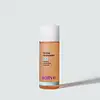
This smoothing toner is formulated around Glycolic Acid and Malic Acid to refine skin texture and brighten dull-looking skin.
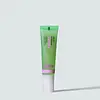
This acne serum is formulated around Salicylic Acid and Niacinamide to clear breakouts and balance excess oil.

What's inside
What's inside
 Key Ingredients
Benefits
Concerns
Ingredients Side-by-side
Water
Skin ConditioningGlycolic Acid
Buffering











Malic Acid
Buffering
Lactic Acid
Buffering
Hamamelis Virginiana Leaf Water
Astringent
Glycyrrhiza Glabra Root Extract
Bleaching



Physalis Angulata Extract
Skin ProtectingBiosaccharide Gum-1
Humectant
Glycerin
Humectant
Sodium Levulinate
Skin ConditioningSodium Hydroxide
BufferingSodium Benzoate
Masking
Xanthan Gum
EmulsifyingPotassium Sorbate
Preservative
Sodium Gluconate
ChelatingGlyceryl Caprylate
EmollientBenzyl Alcohol
Perfuming



Sodium Anisate
AntimicrobialGluconolactone
Chelating
Calcium Gluconate
HumectantWater, Glycolic Acid, Malic Acid, Lactic Acid, Hamamelis Virginiana Leaf Water, Glycyrrhiza Glabra Root Extract, Physalis Angulata Extract, Biosaccharide Gum-1, Glycerin, Sodium Levulinate, Sodium Hydroxide, Sodium Benzoate, Xanthan Gum, Potassium Sorbate, Sodium Gluconate, Glyceryl Caprylate, Benzyl Alcohol, Sodium Anisate, Gluconolactone, Calcium Gluconate
Water
Skin ConditioningPropanediol
Solvent
Butylene Glycol
Humectant
Salicylic Acid
Masking

Niacinamide
Smoothing
Sodium Polyacrylate
Absorbent
Melaleuca Alternifolia Leaf Oil
Antioxidant


Barosma Betulina Leaf Extract
Perfuming
Salix Alba Bark Extract
Astringent
4-Terpineol
Masking
Xanthan Gum
EmulsifyingMethylpropanediol
SolventCitric Acid
Buffering
Sodium Benzoate
Masking
1,2-Hexanediol
Skin Conditioning
Caprylyl Glycol
Emollient
Potassium Sorbate
Preservative
Sodium Gluconate
ChelatingAminomethyl Propanol
BufferingWater, Propanediol, Butylene Glycol, Salicylic Acid, Niacinamide, Sodium Polyacrylate, Melaleuca Alternifolia Leaf Oil, Barosma Betulina Leaf Extract, Salix Alba Bark Extract, 4-Terpineol, Xanthan Gum, Methylpropanediol, Citric Acid, Sodium Benzoate, 1,2-Hexanediol, Caprylyl Glycol, Potassium Sorbate, Sodium Gluconate, Aminomethyl Propanol
Reviews
Ingredients Explained
These ingredients are found in both products.
Ingredients higher up in an ingredient list are typically present in a larger amount.
Potassium Sorbate is a preservative used to prevent yeast and mold in products. It is commonly found in both cosmetic and food products.
This ingredient comes from potassium salt derived from sorbic acid. Sorbic acid is a natural antibiotic and effective against fungus.
Both potassium sorbate and sorbic acid can be found in baked goods, cheeses, dried meats, dried fruit, ice cream, pickles, wine, yogurt, and more.
You'll often find this ingredient used with other preservatives.
Learn more about Potassium SorbateSodium Benzoate is a preservative. It's used in both cosmetic and food products to inhibit the growth of mold and bacteria. It is typically produced synthetically.
Both the US FDA and EU Health Committee have approved the use of sodium benzoate. In the US, levels of 0.1% (of the total product) are allowed.
Sodium benzoate works as a preservative by inhibiting the growth of bacteria inside of cells. It prevents the cell from fermenting a type of sugar using an enzyme called phosphofructokinase.
It is the salt of benzoic acid. Foods containing sodium benzoate include soda, salad dressings, condiments, fruit juices, wines, and snack foods.
Studies for using ascorbic acid and sodium benzoate in cosmetics are lacking, especially in skincare routines with multiple steps.
We always recommend speaking with a professional, such as a dermatologist, if you have any concerns.
Learn more about Sodium BenzoateSodium Gluconate is the sodium salt of gluconic acid. In skincare, its main job is as a chelator.
Chelators grab onto stray metal ions like iron and copper that sneak in through water, raw materials, or manufacturing equipment. This stops them from triggering reactions that cause oils to go rancid, formulas to change color, and actives like vitamin C to fall apart.
This ingredient is often chosen as a biodegradable, gentler-sounding alternative to EDTA. It also pulls double duty as a mild humectant and pH buffer.
Typical use levels sit around 0.1-1% and supplier documents list up to 10% as an acceptable ceiling. Industry data found this ingredient family is mostly used well below 1% in leave on products.
Allergy risk is very low; animal testing has found it to be non-irritating to skin and eyes, mutagenicity assays came back negative, and there are no published reports of allergic contact dermatitis to it.
Learn more about Sodium GluconateWater. It's the most common cosmetic ingredient of all. You'll usually see it at the top of ingredient lists, meaning that it makes up the largest part of the product.
So why is it so popular? Water most often acts as a solvent - this means that it helps dissolve other ingredients into the formulation.
You'll also recognize water as that liquid we all need to stay alive. If you see this, drink a glass of water. Remember to stay hydrated!
Learn more about WaterXanthan gum is used as a stabilizer and thickener within cosmetic products. It helps give products a sticky, thick feeling - preventing them from being too runny.
On the technical side of things, xanthan gum is a polysaccharide - a combination consisting of multiple sugar molecules bonded together.
Xanthan gum is a pretty common and great ingredient. It is a natural, non-toxic, non-irritating ingredient that is also commonly used in food products.
Learn more about Xanthan Gum


