

What's inside
What's inside
 Key Ingredients
Benefits
Concerns
Ingredients Side-by-side
Zinc Oxide 15%
Cosmetic Colorant


Water
Skin ConditioningCoco-Caprylate/Caprate
Emollient
Vitis Vinifera Seed Oil
Emollient




C15-19 Alkane
SolventIsocetyl Stearoyl Stearate
Emollient
Argania Spinosa Kernel Oil
Emollient


Tocopheryl Acetate
Antioxidant


Sodium Hyaluronate Crosspolymer
Humectant

Jojoba Esters
Emollient
Tribehenin
Emollient
Beeswax
Emulsion Stabilising


Glyceryl Stearate
Emollient
Leuconostoc/Radish Root Ferment Filtrate
Antimicrobial
Glycerin
Humectant
Lactobacillus
Skin ConditioningAcacia Senegal Gum
MaskingXanthan Gum
EmulsifyingViola Tricolor Extract
EmollientBisabolol
Antioxidant
Glycyrrhiza Glabra Root Extract
Bleaching
Sodium Hyaluronate
Humectant
Aloe Barbadensis Leaf Extract
Emollient
Cocos Nucifera Fruit Extract
Emollient
Titanium Dioxide
Cosmetic Colorant
Iron Oxides
Mica
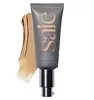
Cosmetic ColorantZinc Oxide 15%, Water, Coco-Caprylate/Caprate, Vitis Vinifera Seed Oil, C15-19 Alkane, Isocetyl Stearoyl Stearate, Argania Spinosa Kernel Oil, Tocopheryl Acetate, Sodium Hyaluronate Crosspolymer, Jojoba Esters, Tribehenin, Beeswax, Glyceryl Stearate, Leuconostoc/Radish Root Ferment Filtrate, Glycerin, Lactobacillus, Acacia Senegal Gum, Xanthan Gum, Viola Tricolor Extract, Bisabolol, Glycyrrhiza Glabra Root Extract, Sodium Hyaluronate, Aloe Barbadensis Leaf Extract, Cocos Nucifera Fruit Extract, Titanium Dioxide, Iron Oxides, Mica
Water
Skin ConditioningDimethicone
Emollient
Triethylhexanoin
MaskingButylene Glycol
Humectant
Glycerin
Humectant
Isostearic Acid
Cleansing
Polymethylsilsesquioxane
PEG-10 Dimethicone
Skin Conditioning
Disteardimonium Hectorite
StabilisingDimethicone/Vinyl Dimethicone Crosspolymer
Skin Conditioning
Bis-Butyldimethicone Polyglyceryl-3
Cleansing
Sodium Glutamate
MaskingSorbitan Sesquiisostearate
Emulsifying
Paeonia Albiflora Root Extract
Skin ConditioningCurcuma Longa Root Extract
Antioxidant
Polysilicone-2
Aluminum Hydroxide
EmollientTocopherol
Antioxidant
1-Methylhydantoin-2-Imide
Skin ConditioningAscorbyl Glucoside
Antioxidant
Glucosyl Hesperidin
HumectantPhenoxyethanol
Preservative
Sodium Dehydroacetate
Preservative
Benzoic Acid
Masking
Iron Oxides
CI 77891
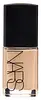
Cosmetic ColorantWater, Dimethicone, Triethylhexanoin, Butylene Glycol, Glycerin, Isostearic Acid, Polymethylsilsesquioxane, PEG-10 Dimethicone, Disteardimonium Hectorite, Dimethicone/Vinyl Dimethicone Crosspolymer, Bis-Butyldimethicone Polyglyceryl-3, Sodium Glutamate, Sorbitan Sesquiisostearate, Paeonia Albiflora Root Extract, Curcuma Longa Root Extract, Polysilicone-2, Aluminum Hydroxide, Tocopherol, 1-Methylhydantoin-2-Imide, Ascorbyl Glucoside, Glucosyl Hesperidin, Phenoxyethanol, Sodium Dehydroacetate, Benzoic Acid, Iron Oxides, CI 77891
Reviews
Alternatives
Ingredients Explained
These ingredients are found in both products.
Ingredients higher up in an ingredient list are typically present in a larger amount.
Glycerin (or glycerol) is a compound naturally found in your skin. It's a powerhouse humectant that pulls water into the stratum corneum.
Topically, glycerin does several things at once:
Your skin makes glycerin on its own (mostly from sebaceous oil breakdown) and shuttles it to your outermost layer of skin, or your epidermis, via aquaporin-3.
Aquaporin-3 is a transporter that is essential for normal skin hydration, elasticity, and repair. Interestingly, mice lacking in AQP3 have dry and less elastic skin that can be fully corrected with glycerin.
This ingredient is non-irritating, plays well with almost every ingredient, and works across all skin types. Typical use is anywhere between 3-10% but can go up to 79% in some leave-on products.
Just know very high concentrations (>40%) can feel tacky in low humidity.
Glycerin is the name for this ingredient in American English. British English uses Glycerol/Glycerine.
Learn more about GlycerinWater. It's the most common cosmetic ingredient of all. You'll usually see it at the top of ingredient lists, meaning that it makes up the largest part of the product.
So why is it so popular? Water most often acts as a solvent - this means that it helps dissolve other ingredients into the formulation.
You'll also recognize water as that liquid we all need to stay alive. If you see this, drink a glass of water. Remember to stay hydrated!
Learn more about WaterThis ingredient is a combination of red, black, and yellow iron oxide pigments. This combination of colors is usually found in foundation, because it results in a "skin" color.
The EU typically uses CI numbers for colorants when applicable, such as CI 77489. In the US, iron oxides are regulated as color additives and "iron oxides" is the most commonly used name in US cosmetic practice.
A 2021 paper looked at skincare formulations containing iron oxides and found that they reduced transmission of blue light when measured optically. In simple terms, the pigment particles helped block or scatter part of the visible light spectrum in lab testing and the authors suggest this could translate into better protection against blue-light-related skin effects.
There is also clinical and experimental research showing that tinted products containing iron oxides can reduce visible light-induced pigmentation:
Please note, whether a product reduces visible or blue light depends on things like:
In the EU's CosIng database, iron oxides are only listed as a colorant. CosIng groups ingredients by their main cosmetic role, such as colorant, preservative, or UV filter.
Though studies say iron oxides can "attenuate blue light", they're describing an optical property and not an officially recognized cosmetic function.
So CosIng isn’t contradicting the research. It’s just classifying iron oxides by what they officially are: pigments that add color.
Learn more about Iron Oxides

