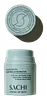
This smoothing treatment is formulated around Mandelic Acid and Glycolic Acid to refine skin texture and fade the look of dark spots.
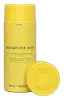
This smoothing toner is formulated around Mandelic Acid and Lactic Acid to refine skin texture and brighten dull-looking skin.

What's inside
What's inside
 Key Ingredients
Benefits
Concerns
Ingredients Side-by-side
Water
Skin ConditioningGlycerin
Humectant


Mandelic Acid
Antimicrobial









Pentylene Glycol
Skin Conditioning
Propanediol
Solvent
Lactobacillus/Punica Granatum Fruit Ferment Extract
Antioxidant
Glycolic Acid
Buffering
Dicaprylyl Carbonate
EmollientOctadecenedioic Acid
Emulsifying
Salicylic Acid
Masking



Sodium Citrate
BufferingSodium Hydroxide
BufferingSodium Polyacryloyldimethyl Taurate
Emulsion StabilisingHoney
Humectant
Thymus Vulgaris Leaf Extract
Skin ProtectingMelia Azadirachta Leaf Extract
Skin ConditioningCentella Asiatica Extract
Cleansing

Glycyrrhiza Glabra Root Extract
Bleaching
Boswellia Serrata Gum
Masking
Nigella Sativa Seed Oil
Emollient
Isostearyl Alcohol
Emollient

Gluconolactone
Skin Conditioning
Cucumis Sativus Seed Oil
Emollient
Xanthan Gum
EmulsifyingAloe Barbadensis Leaf Juice Powder
Skin Conditioning
Rumex Occidentalis Extract
Skin ConditioningSodium Benzoate
Masking
Leuconostoc/Radish Root Ferment Filtrate
Antimicrobial
Calcium Gluconate
HumectantCitric Acid
Buffering
Phenoxyethanol
Preservative
Potassium Sorbate
Preservative
Tocopherol
Antioxidant
Water, Glycerin, Mandelic Acid, Pentylene Glycol, Propanediol, Lactobacillus/Punica Granatum Fruit Ferment Extract, Glycolic Acid, Dicaprylyl Carbonate, Octadecenedioic Acid, Salicylic Acid, Sodium Citrate, Sodium Hydroxide, Sodium Polyacryloyldimethyl Taurate, Honey, Thymus Vulgaris Leaf Extract, Melia Azadirachta Leaf Extract, Centella Asiatica Extract, Glycyrrhiza Glabra Root Extract, Boswellia Serrata Gum, Nigella Sativa Seed Oil, Isostearyl Alcohol, Gluconolactone, Cucumis Sativus Seed Oil, Xanthan Gum, Aloe Barbadensis Leaf Juice Powder, Rumex Occidentalis Extract, Sodium Benzoate, Leuconostoc/Radish Root Ferment Filtrate, Calcium Gluconate, Citric Acid, Phenoxyethanol, Potassium Sorbate, Tocopherol
Water
Skin ConditioningSodium Hydroxide
BufferingMandelic Acid
Antimicrobial
Lactic Acid
Buffering
Pentylene Glycol
Skin Conditioning
Glycerin
Humectant
Ethoxydiglycol
HumectantGluconolactone
Skin Conditioning
Spondias Mombin Pulp Extract
Skin ConditioningMangifera Indica Pulp Extract
Skin ConditioningMusa Sapientum Pulp Extract
Skin ConditioningMicrocitrus Australasica Fruit Extract
Panthenol
Skin Conditioning
Benzyl Alcohol
Perfuming


PPG-26-Buteth-26
Skin ConditioningCaprylhydroxamic Acid
PEG-40 Hydrogenated Castor Oil
Emulsifying
Trisodium Ethylenediamine Disuccinate
Potassium Sorbate
Preservative
Water, Sodium Hydroxide, Mandelic Acid, Lactic Acid, Pentylene Glycol, Glycerin, Ethoxydiglycol, Gluconolactone, Spondias Mombin Pulp Extract, Mangifera Indica Pulp Extract, Musa Sapientum Pulp Extract, Microcitrus Australasica Fruit Extract, Panthenol, Benzyl Alcohol, PPG-26-Buteth-26, Caprylhydroxamic Acid, PEG-40 Hydrogenated Castor Oil, Trisodium Ethylenediamine Disuccinate, Potassium Sorbate
Reviews
Ingredients Explained
These ingredients are found in both products.
Ingredients higher up in an ingredient list are typically present in a larger amount.
Gluconolactone is a PHA. PHAs are a great gentle alternative to traditional AHAs.
When applied, Gluconolactone has the same affect on skin as AHAs such as lactic acid. It helps dissolve the dead skin cells in the top layer of your skin. This improves texture and brightens the skin.
PHAs are more gentle than AHAs due to their larger structure. They do not penetrate as deeply as AHAs and take a longer time to dissolve dead cells. Studies show PHAs do not cause as much irritation.
Gluconolactone has some interesting properties:
In a 2004 study, Gluconolactone was found to prevent UV damage in mouse skin cells and has not been found to increase sun sensitivity. However, we still recommend wearing SPF daily.
This ingredient is is an created by reacting gluconic acid with an alcohol.
Learn more about GluconolactoneGlycerin (or glycerol) is a compound naturally found in your skin. It's a powerhouse humectant that pulls water into the stratum corneum.
Topically, glycerin does several things at once:
Your skin makes glycerin on its own (mostly from sebaceous oil breakdown) and shuttles it to your outermost layer of skin, or your epidermis, via aquaporin-3.
Aquaporin-3 is a transporter that is essential for normal skin hydration, elasticity, and repair. Interestingly, mice lacking in AQP3 have dry and less elastic skin that can be fully corrected with glycerin.
This ingredient is non-irritating, plays well with almost every ingredient, and works across all skin types. Typical use is anywhere between 3-10% but can go up to 79% in some leave-on products.
Just know very high concentrations (>40%) can feel tacky in low humidity.
Glycerin is the name for this ingredient in American English. British English uses Glycerol/Glycerine.
Learn more about GlycerinMandelic Acid is an alpha hydroxy acid (AHA).
Like other AHAs, it helps exfoliate the surface of the skin by breaking down the bonds that hold dead skin cells together. This helps reveal smoother and brighter skin underneath.
Mandelic acid helps with:
Due to it having a larger molecular size than glycolic acid, mandelic acid is able to penetrate the skin more slowly and evenly. This makes it gentler and less irritating, making it a great option for sensitive or beginner skin.
Despite being milder, mandelic acid is still an effective exfoliant that improves skin texture and tone over time.
What makes mandelic acid stand out from other AHAs? It has antibacterial and antioxidant properties.
These traits make it a great option for acne-prone or problem skin by reducing active breakouts and fading post-acne marks. Studies show that mandelic acid (especially when combined with salicylic acid) can significantly reduce pimples and hyperpigmentation while causing fewer side effects than stronger acids.
Mandelic acid is effective in concentrations of 5% and up with an ideal pH range of 3-4 for at-home use.
Like other AHAs, it’s important to wear sunscreen daily to protect your newly exfoliated skin.
However, unlike glycolic acid, mandelic acid is light-sensitive. Be sure your mandelic acid is packaged in opaque containers to ensure it stays stable and effective.
In short, mandelic acid is a gentle yet powerful AHA that exfoliates, brightens, and helps clarify skin while keeping irritation low. Its antibacterial action makes it especially beneficial for those with acne-prone, sensitive, or uneven skin, offering smoother, clearer, and more even-toned results over time.
Read more about some other popular AHA's here:
Learn more about Mandelic AcidPentylene Glycol (1,2-pentanediol) is a multitasking little diol with three main roles in a formula:
Research on alkanediols (the family pentylene glycol belongs to) show they work by disrupting microbial cell membranes. This disruption helps the primary preservative system in a product work more effectively at lower doses.
On the safety side, the Cosmetic Ingredient Review Expert Panel has concluded this ingredient to be safe as used in current cosmetic practices + concentrations.
Typical use levels in a formula run about 1-5%.
Learn more about Pentylene GlycolPotassium Sorbate is a preservative used to prevent yeast and mold in products. It is commonly found in both cosmetic and food products.
This ingredient comes from potassium salt derived from sorbic acid. Sorbic acid is a natural antibiotic and effective against fungus.
Both potassium sorbate and sorbic acid can be found in baked goods, cheeses, dried meats, dried fruit, ice cream, pickles, wine, yogurt, and more.
You'll often find this ingredient used with other preservatives.
Learn more about Potassium SorbateSodium Hydroxide is also known as lye or caustic soda. It is used to adjust the pH of products; many ingredients require a specific pH to be effective.
In small amounts, sodium hydroxide is considered safe to use. However, large amounts may cause chemical burns due to its high alkaline.
Your skin has a natural pH and acid mantle. This acid mantle helps prevent harmful bacteria from breaking through. The acid mantle also helps keep your skin hydrated.
"Alkaline" refers to a high pH level. A low pH level would be considered acidic.
Learn more about Sodium HydroxideWater. It's the most common cosmetic ingredient of all. You'll usually see it at the top of ingredient lists, meaning that it makes up the largest part of the product.
So why is it so popular? Water most often acts as a solvent - this means that it helps dissolve other ingredients into the formulation.
You'll also recognize water as that liquid we all need to stay alive. If you see this, drink a glass of water. Remember to stay hydrated!
Learn more about Water

