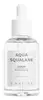
This hydrating serum is formulated around Sodium Hyaluronate and Panthenol to hydrate skin and strengthen the skin barrier.
This hydrating serum is formulated around Acetamidoethoxyethanol and Panthenol to hydrate skin and strengthen the skin barrier.


What's inside
What's inside
 Key Ingredients
Benefits
Concerns
No concerns
Ingredients Side-by-side
Water
Skin ConditioningGlycerin
Humectant


Butylene Glycol
Humectant
Methylpropanediol
Solvent1,2-Hexanediol
Skin Conditioning
Betaine
Humectant
Laminaria Japonica Extract
Skin Protecting
Eclipta Prostrata Leaf Extract
Skin ConditioningHamamelis Virginiana Extract
Antiseborrhoeic



Sodium Hyaluronate
Humectant

Hydrogenated Lecithin
Emulsifying
Panthenol
Skin Conditioning
Allantoin
Skin Conditioning
Fructooligosaccharides
Humectant
Beta-Glucan
Skin Conditioning
Hydrolyzed Hyaluronic Acid
Humectant
Squalane
Emollient
Hydroxypropyltrimonium Hyaluronate
Sodium Acetylated Hyaluronate
Humectant
Hydrolyzed Sodium Hyaluronate
Skin Conditioning
Hyaluronic Acid
Humectant
Sodium Hyaluronate Crosspolymer
Humectant
Potassium Hyaluronate
Skin ConditioningEthylhexylglycerin
Skin ConditioningCarbomer
Emulsion StabilisingTromethamine
BufferingXanthan Gum
EmulsifyingDisodium EDTA
ChelatingWater, Glycerin, Butylene Glycol, Methylpropanediol, 1,2-Hexanediol, Betaine, Laminaria Japonica Extract, Eclipta Prostrata Leaf Extract, Hamamelis Virginiana Extract, Sodium Hyaluronate, Hydrogenated Lecithin, Panthenol, Allantoin, Fructooligosaccharides, Beta-Glucan, Hydrolyzed Hyaluronic Acid, Squalane, Hydroxypropyltrimonium Hyaluronate, Sodium Acetylated Hyaluronate, Hydrolyzed Sodium Hyaluronate, Hyaluronic Acid, Sodium Hyaluronate Crosspolymer, Potassium Hyaluronate, Ethylhexylglycerin, Carbomer, Tromethamine, Xanthan Gum, Disodium EDTA
Water
Skin ConditioningAcetamidoethoxyethanol
Humectant
Glycerin
Humectant
Hydroxyethyl Urea
Humectant
Pentylene Glycol
Skin Conditioning
Betaine
Humectant
Propanediol
Solvent
Methyl Gluceth-20
Humectant
Panthenol
Skin Conditioning
Asiaticoside
Antioxidant

Madecassic Acid
Skin Conditioning
Asiatic Acid
Skin Conditioning
Xylitylglucoside
Humectant
Anhydroxylitol
Humectant
Xylitol
Humectant
Pantolactone
Humectant
Hydroxyacetophenone
Antioxidant
Xanthan Gum
EmulsifyingLecithin
Emollient
Sclerotium Gum
Emulsion StabilisingPullulan
Tetrasodium Glutamate Diacetate
ChelatingLactic Acid
Buffering




Water, Acetamidoethoxyethanol, Glycerin, Hydroxyethyl Urea, Pentylene Glycol, Betaine, Propanediol, Methyl Gluceth-20, Panthenol, Asiaticoside, Madecassic Acid, Asiatic Acid, Xylitylglucoside, Anhydroxylitol, Xylitol, Pantolactone, Hydroxyacetophenone, Xanthan Gum, Lecithin, Sclerotium Gum, Pullulan, Tetrasodium Glutamate Diacetate, Lactic Acid
Reviews
Ingredients Explained
These ingredients are found in both products.
Ingredients higher up in an ingredient list are typically present in a larger amount.
Betaine is a humectant. Like hyaluronic acid, it helps attract and retain moisture in the skin. It’s known for being gentle and for helping the skin maintain balanced hydration.
Betaine is mainly used to improve hydration and support calmer skin. It helps skin cells regulate water balance because it functions as an osmolyte.
Some studies suggest betaine may support making skin tone more even.
Fun fact: Betaine naturally exists in the skin and the body. In cosmetic products, it can be either plant-derived (most commonly from sugar beets) or synthetically produced for consistency and stability.
Betaine is also known as trimethylglycine.
Learn more about BetaineGlycerin (or glycerol) is a compound naturally found in your skin. It's a powerhouse humectant that pulls water into the stratum corneum.
Topically, glycerin does several things at once:
Your skin makes glycerin on its own (mostly from sebaceous oil breakdown) and shuttles it to your outermost layer of skin, or your epidermis, via aquaporin-3.
Aquaporin-3 is a transporter that is essential for normal skin hydration, elasticity, and repair. Interestingly, mice lacking in AQP3 have dry and less elastic skin that can be fully corrected with glycerin.
This ingredient is non-irritating, plays well with almost every ingredient, and works across all skin types. Typical use is anywhere between 3-10% but can go up to 79% in some leave-on products.
Just know very high concentrations (>40%) can feel tacky in low humidity.
Glycerin is the name for this ingredient in American English. British English uses Glycerol/Glycerine.
Learn more about GlycerinPanthenol is a common ingredient that helps hydrate and soothe the skin. It is found naturally in our skin and hair.
There are two forms of panthenol: D and L.
D-panthenol is also known as dexpanthenol. Most cosmetics use dexpanthenol or a mixture of D and L-panthenol.
Panthenol is famous due to its ability to go deeper into the skin's layers. Using this ingredient has numerous pros (and no cons):
Like hyaluronic acid, panthenol is a humectant. Humectants are able to bind and hold large amounts of water to keep skin hydrated.
This ingredient works well for wound healing. It works by increasing tissue in the wound and helps close open wounds.
Once oxidized, panthenol converts to pantothenic acid. Panthothenic acid is found in all living cells.
This ingredient is also referred to as pro-vitamin B5.
Learn more about PanthenolWater. It's the most common cosmetic ingredient of all. You'll usually see it at the top of ingredient lists, meaning that it makes up the largest part of the product.
So why is it so popular? Water most often acts as a solvent - this means that it helps dissolve other ingredients into the formulation.
You'll also recognize water as that liquid we all need to stay alive. If you see this, drink a glass of water. Remember to stay hydrated!
Learn more about WaterXanthan gum is used as a stabilizer and thickener within cosmetic products. It helps give products a sticky, thick feeling - preventing them from being too runny.
On the technical side of things, xanthan gum is a polysaccharide - a combination consisting of multiple sugar molecules bonded together.
Xanthan gum is a pretty common and great ingredient. It is a natural, non-toxic, non-irritating ingredient that is also commonly used in food products.
Learn more about Xanthan Gum

