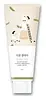
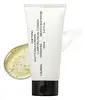
Round Lab Soybean Nourishing Cleanser Versus One Thing Houttuynia Cordata Clarifying Facial Cleanser
This salicylic acid gel cleanser is formulated around Salicylic Acid to clear breakouts and unclog pores.

What's inside
What's inside
 Key Ingredients
Benefits
Concerns
Ingredients Side-by-side
Water
Skin ConditioningGlycerin
Humectant


Sodium Cocoyl Isethionate
Cleansing
Potassium Cocoyl Glycinate
Surfactant
Cetearyl Alcohol
Emollient





Sodium C14-16 Olefin Sulfonate
Cleansing
Acrylates Copolymer
Sodium Cocoyl Glutamate
Cleansing
Hydrogenated Coconut Acid
Emollient
Vigna Angularis Seed Extract
Skin ProtectingGlycine Max Seed Extract
Skin ConditioningOryza Sativa Powder
Avena Sativa Kernel Flour
Abrasive

Coix Lacryma-Jobi Ma-Yuen Seed Powder
HumectantPhaseolus Radiatus Seed Powder
Squalane
Emollient
Limnanthes Alba Seed Oil
Skin Conditioning
Ceramide NP
Skin Conditioning


Phytosphingosine
Skin Conditioning
Hydrogenated Lecithin
Emulsifying
Sodium Isethionate
CleansingPotassium Benzoate
Preservative
Butylene Glycol
Humectant
Polyquaternium-67
Hexadecene
Solvent1,2-Hexanediol
Skin Conditioning
Trisodium Ethylenediamine Disuccinate
ChelatingTetradecene
EmollientSorbitol
Humectant
Citric Acid
Buffering

Water, Glycerin, Sodium Cocoyl Isethionate, Potassium Cocoyl Glycinate, Cetearyl Alcohol, Sodium C14-16 Olefin Sulfonate, Acrylates Copolymer, Sodium Cocoyl Glutamate, Hydrogenated Coconut Acid, Vigna Angularis Seed Extract, Glycine Max Seed Extract, Oryza Sativa Powder, Avena Sativa Kernel Flour, Coix Lacryma-Jobi Ma-Yuen Seed Powder, Phaseolus Radiatus Seed Powder, Squalane, Limnanthes Alba Seed Oil, Ceramide NP, Phytosphingosine, Hydrogenated Lecithin, Sodium Isethionate, Potassium Benzoate, Butylene Glycol, Polyquaternium-67, Hexadecene, 1,2-Hexanediol, Trisodium Ethylenediamine Disuccinate, Tetradecene, Sorbitol, Citric Acid
Water
Skin ConditioningLauryl Hydroxysultaine
CleansingPotassium Cocoyl Glycinate
Surfactant
Glycerin
Humectant
Houttuynia Cordata Extract
Skin Conditioning
Acrylates Copolymer
Propanediol
Solvent
Butylene Glycol
Humectant
Sodium Chloride
Masking1,2-Hexanediol
Skin Conditioning
Tromethamine
BufferingPotassium Benzoate
Preservative
Sorbitol
Humectant
Coco-Glucoside
Cleansing
Houttuynia Cordata Powder
Skin ConditioningDecyl Glucoside
Cleansing
Ethylhexylglycerin
Skin ConditioningGluconolactone
Chelating



Salicylic Acid
Masking

Sodium C14-16 Olefin Sulfonate
Cleansing
Trisodium Ethylenediamine Disuccinate
ChelatingHyaluronic Acid
Humectant
Hydrolyzed Hyaluronic Acid
Humectant
Sodium Hyaluronate
Humectant
Allantoin
Skin Conditioning
Water, Lauryl Hydroxysultaine, Potassium Cocoyl Glycinate, Glycerin, Houttuynia Cordata Extract, Acrylates Copolymer, Propanediol, Butylene Glycol, Sodium Chloride, 1,2-Hexanediol, Tromethamine, Potassium Benzoate, Sorbitol, Coco-Glucoside, Houttuynia Cordata Powder, Decyl Glucoside, Ethylhexylglycerin, Gluconolactone, Salicylic Acid, Sodium C14-16 Olefin Sulfonate, Trisodium Ethylenediamine Disuccinate, Hyaluronic Acid, Hydrolyzed Hyaluronic Acid, Sodium Hyaluronate, Allantoin
Reviews
Ingredients Explained
These ingredients are found in both products.
Ingredients higher up in an ingredient list are typically present in a larger amount.
1,2-Hexanediol is a synthetic liquid and another multi-functional powerhouse.
It is a:
- Humectant, drawing moisture into the skin
- Emollient, helping to soften skin
- Solvent, dispersing and stabilizing formulas
- Preservative booster, enhancing the antimicrobial activity of other preservatives
Acrylates Copolymer is used as a film-forming agent and texture enhancer.
After applied, Acrylates Copolymer forms a thin film cover that helps skin feel more soft. It can help sunscreens become more water-resistant.
It is also used to make a product more thick.
Learn more about Acrylates CopolymerButylene Glycol (or BG) is used within cosmetic products for a few different reasons:
Overall, Butylene Glycol is a safe and well-rounded ingredient that works well with other ingredients.
Though this ingredient works well with most skin types, some people with sensitive skin may experience a reaction such as allergic rashes, closed comedones, or itchiness.
Learn more about Butylene GlycolGlycerin (or glycerol) is a compound naturally found in your skin. It's a powerhouse humectant that pulls water into the stratum corneum.
Topically, glycerin does several things at once:
Your skin makes glycerin on its own (mostly from sebaceous oil breakdown) and shuttles it to your outermost layer of skin, or your epidermis, via aquaporin-3.
Aquaporin-3 is a transporter that is essential for normal skin hydration, elasticity, and repair. Interestingly, mice lacking in AQP3 have dry and less elastic skin that can be fully corrected with glycerin.
This ingredient is non-irritating, plays well with almost every ingredient, and works across all skin types. Typical use is anywhere between 3-10% but can go up to 79% in some leave-on products.
Just know very high concentrations (>40%) can feel tacky in low humidity.
Glycerin is the name for this ingredient in American English. British English uses Glycerol/Glycerine.
Learn more about GlycerinThis ingredient is a preservative and inhibits the growth of fungi, certain bacteria, yeast, and mold.
It is the potassium salt of benzoic acid.
Potassium benzoate works best in products with a low pH level (below 4.5).
Learn more about Potassium BenzoatePotassium Cocoyl Glycinate is an amino acid-based surfactant and cleaning agent. This ingredient can be derived from animals or plants. It may also be synthetically created from fatty acids of the coconut and glycine.
Potassium Cocoyl Glycinate is a gentle surfactant. Surfactants help gather the dirt, oil, and other pollutants from your skin to be rinsed away. It is a mild cleanser and naturally produces foam.
Sodium C14-16 Olefin Sulfonate is a surfactant that helps water and oil mix so that dirt, sweat, sebum, and sunscreen can rinse away easily. It's not technically a sulfate, but behaves similarly in formulas.
What it does:
Sodium C14-16 Olefin Sulfonate is a strong cleansing surfactant and is much stronger than many mild cleansers. Because it works deeply, it can disrupt the skin's barrier. This can lead to dryness or irritation for those with sensitive skin.
Compared to gentler surfactants, it's effective but more likely to dry or irritate if not balanced with soothing ingredients.
CIR considers sodium α-olefin sulfonates (including C14-16) to be safe for use in rinse-off products when properly formulated. It is poorly absorbed through normal skin but absorption increases if the skin barrier is already damaged.
Learn more about Sodium C14-16 Olefin SulfonateSorbitol is a sugar alcohol. It is a hydrating and moisturizing agent created from the reduction process of glucose.
Most sorbitol is usually made from potato starch. It is also found in fruits such as apples and pears.
As a humectant, Sorbitol helps draw water to the skin. This helps keep the skin hydrated. Sorbitol also helps create a thicker texture in products. You might find sorbitol in your toothpaste and other gels.
It is a non-irritating ingredient that is great for those with dry skin.
Sorbitol is a prebiotic. It helps promote the growth of healthy bacteria on your skin. The bacteria on your skin form a microbiome. This microbiome helps protect your skin from infection and harmful bacteria.
Learn more about SorbitolTrisodium Ethylenediamine Disuccinate is used to help stabilize a product.
It is a chelating agent, meaning it helps prevent metal ions from binding to other ingredients. This prevents unwanted reactions in products. Metal ions can come into a product via the water ingredient. They are found in trace amounts and are not known to be harmful.
Water. It's the most common cosmetic ingredient of all. You'll usually see it at the top of ingredient lists, meaning that it makes up the largest part of the product.
So why is it so popular? Water most often acts as a solvent - this means that it helps dissolve other ingredients into the formulation.
You'll also recognize water as that liquid we all need to stay alive. If you see this, drink a glass of water. Remember to stay hydrated!
Learn more about Water

