

What's inside
What's inside
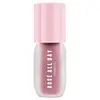 Key Ingredients
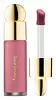
No key ingredients
Benefits
Concerns
Ingredients Side-by-side
Water
Skin ConditioningCyclopentasiloxane
Emollient
Propylene Glycol Dibenzoate
Skin ConditioningGlycerin
Humectant


Dicaprylyl Carbonate
EmollientButylene Glycol
Humectant
Neopentyl Glycol Diheptanoate
EmollientCyclohexasiloxane
Emollient
Titanium Dioxide
Cosmetic Colorant

Lauryl PEG-10 Tris(Trimethylsiloxy)Silylethyl Dimethicone
Emulsifying
Pentylene Glycol
Skin Conditioning
Polybutene
Disteardimonium Hectorite
StabilisingSilica
Abrasive


Magnesium Sulfate
Isododecane
EmollientTrimethylsiloxysilicate
Emollient
Phenoxyethanol
Preservative
Acrylates/Polytrimethylsiloxymethacrylate Copolymer
Skin ConditioningSorbitan Isostearate
Emulsifying

PEG-10 Dimethicone
Skin Conditioning
Dimethicone
Emollient
Dimethicone/Vinyl Dimethicone Crosspolymer
Skin Conditioning
Triethoxycaprylylsilane
Aluminum Hydroxide
EmollientEthylhexylglycerin
Skin ConditioningHydrogenated Castor Oil Isostearate
Skin Conditioning
Disodium EDTA
ChelatingTocopherol
Antioxidant





Ascorbic Acid
Antioxidant

Tocopheryl Acetate
Antioxidant
Panthenol
Skin Conditioning
Citrullus Lanatus Fruit Extract
Skin Conditioning
1,2-Hexanediol
Skin Conditioning
Mica
Cosmetic ColorantCI 77491
Cosmetic ColorantCI 77492
Cosmetic ColorantCI 15850
Cosmetic ColorantCI 42090
Cosmetic ColorantCI 77499
Cosmetic ColorantCI 77007
Cosmetic ColorantCI 73360
Cosmetic ColorantCI 19140
Cosmetic ColorantWater, Cyclopentasiloxane, Propylene Glycol Dibenzoate, Glycerin, Dicaprylyl Carbonate, Butylene Glycol, Neopentyl Glycol Diheptanoate, Cyclohexasiloxane, Titanium Dioxide, Lauryl PEG-10 Tris(Trimethylsiloxy)Silylethyl Dimethicone, Pentylene Glycol, Polybutene, Disteardimonium Hectorite, Silica, Magnesium Sulfate, Isododecane, Trimethylsiloxysilicate, Phenoxyethanol, Acrylates/Polytrimethylsiloxymethacrylate Copolymer, Sorbitan Isostearate, PEG-10 Dimethicone, Dimethicone, Dimethicone/Vinyl Dimethicone Crosspolymer, Triethoxycaprylylsilane, Aluminum Hydroxide, Ethylhexylglycerin, Hydrogenated Castor Oil Isostearate, Disodium EDTA, Tocopherol, Ascorbic Acid, Tocopheryl Acetate, Panthenol, Citrullus Lanatus Fruit Extract, 1,2-Hexanediol, Mica, CI 77491, CI 77492, CI 15850, CI 42090, CI 77499, CI 77007, CI 73360, CI 19140
Hydrogenated Polyisobutene
EmollientHydrogenated Poly(C6-14 Olefin)
EmollientMica
Cosmetic ColorantOctyldodecanol
Emollient
Ethylene/Propylene/Styrene Copolymer
Trimethylsiloxysilicate
Emollient
Isododecane
Emollient1,2-Hexanediol
Skin Conditioning
Disteardimonium Hectorite
StabilisingSorbitan Sesquioleate
Emulsifying
Propylene Carbonate
SolventTriethoxycaprylylsilane
Aluminum Hydroxide
EmollientHelianthus Annuus Seed Oil
Emollient
Gardenia Florida Fruit Extract
Skin ConditioningNelumbo Nucifera Flower Extract
Skin ConditioningNymphaea Odorata Root Extract
RefreshingCI 77491
Cosmetic ColorantCI 15850
Cosmetic ColorantCI 15985
Cosmetic ColorantCI 77891
Cosmetic ColorantCI 19140
Cosmetic ColorantCI 45410
Cosmetic ColorantHydrogenated Polyisobutene, Hydrogenated Poly(C6-14 Olefin), Mica, Octyldodecanol, Ethylene/Propylene/Styrene Copolymer, Trimethylsiloxysilicate, Isododecane, 1,2-Hexanediol, Disteardimonium Hectorite, Sorbitan Sesquioleate, Propylene Carbonate, Triethoxycaprylylsilane, Aluminum Hydroxide, Helianthus Annuus Seed Oil, Gardenia Florida Fruit Extract, Nelumbo Nucifera Flower Extract, Nymphaea Odorata Root Extract, CI 77491, CI 15850, CI 15985, CI 77891, CI 19140, CI 45410
Reviews
Ingredients Explained
These ingredients are found in both products.
Ingredients higher up in an ingredient list are typically present in a larger amount.
1,2-Hexanediol is a synthetic liquid and another multi-functional powerhouse.
It is a:
- Humectant, drawing moisture into the skin
- Emollient, helping to soften skin
- Solvent, dispersing and stabilizing formulas
- Preservative booster, enhancing the antimicrobial activity of other preservatives
Aluminum Hydroxide is a form of aluminum. It can be naturally found in nature as the mineral gibbsite. In cosmetics, Aluminum Hydroxide is used as a colorant, pH adjuster, and absorbent.
As a colorant, Aluminum Hydroxide may add opacity, or reduce the transparency. Aluminum hydroxide is contains both basic and acidic properties.
According to manufacturers, this ingredient is an emollient and humectant. This means it helps hydrate the skin.
In medicine, this ingredient is used to help relieve heartburn and help heal ulcers.
There is currently no credible scientific evidence linking aluminum hydroxide in cosmetics to increased cancer risk.
Major health organizations allow the use of aluminum hydroxide in personal care products and have not flagged it as a carcinogenic risk at typical usage levels.
Learn more about Aluminum HydroxideCi 15850 is the pigment color red. It is an azo dye and created synthetically.
Azo dyes need to be thoroughly purified before use. This allows them to be more stable and longer-lasting.
This ingredient is common in foundations, lipsticks, and blushes. This color is described as brown/orangey red.
It has many secondary names such as Red 6 and Red 7. According to a manufacturer, Red 6 usually contains aluminum.
Learn more about CI 15850CI 19140 is also known as Tartrazine. Tartrazine is a synthetic dye used in cosmetics, foods, and medicine to add a yellow color.
Tartrazine is created from petroleum and is water-soluble.
Some people may experience allergies from this dye, especially asthmatics and those with an aspirin intolerance.
Learn more about CI 19140Ci 77491 is also hydrated iron III oxide. It's sole purpose is to give a red/pink hue to products.
Iron III oxides are classified as inorganic chemicals for coloring.
Synthetically created Ci 77491 is considered safer than those naturally found. This is because the synthetically created version may contain less impurities. Iron oxides are generally non-toxic and non-allergenic.
Learn more about CI 77491Disteardimonium Hectorite comes from the clay mineral named hectorite. It is used to add thickness to a product.
It can also help stabilize a product by helping to disperse other ingredients.
Hectorite is a rare, white clay mineral.
Learn more about Disteardimonium HectoriteIsododecane is a fragrance, emollient, and solvent.
As an emollient, it helps your skin stay soft and hydrated. Emollients help trap moisture into your skin.
Isododecane's role as a solvent makes it a great texture enhancer. It spreads smoothly on skin and does not leave a sticky feeling behind. Isododecane also helps prevent color transfer in makeup products.
Isododecane is not absorbed into skin.
The chemical name for this ingredient is 2,2,4,6,6-PENTAMETHYLHEPTANE.
Learn more about IsododecaneMica is a naturally occurring mineral used to add shimmer and color in cosmetics. It can also help improve the texture of a product or give it an opaque, white/silver color.
Serecite is the name for very fine but ragged grains of mica.
This ingredient is often coated with metal oxides like titanium dioxide. Trace amounts of heavy metals may be found in mica, but these metals are not harmful in our personal products.
Mica has been used since prehistoric times throughout the world. Ancient Egyptian, Indian, Greek, Roman, Aztec, and Chinese civilizations have used mica.
Learn more about MicaTriethoxycaprylylsilane is a silicon-based surface modifier that makes sunscreens feel silky and makeup stay put.
Its main job is to coat mineral particles like titanium dioxide, zinc oxide, and color pigments in a thin, oily layer so they spread smoothly, don't clump, and stick to skin better.
This ingredient is typically used at low levels (up to 2.5% in eyeshadow and 1% in lipstick).
Learn more about TriethoxycaprylylsilaneThis silicone is an emollient. Emollients create a thin film on the skin to prevent moisture from escaping.
It is not soluble in water and helps increase water-resistance in products.
According to a manufacturer, it can blend seamlessly with silicone oils, such as Cyclopentasiloxane.
Learn more about Trimethylsiloxysilicate

