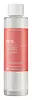
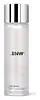
REN Clean Skincare Perfect Canvas Smooth, Prep & Plump Essence Versus RNW Der. Renew Facial Treatment Essence Toner
This smoothing essence is formulated around Niacinamide and Sodium Hyaluronate to refine skin texture and hydrate skin.
This barrier-repair toner is formulated around Lactobacillus Ferment and Saccharomyces Ferment Filtrate to strengthen the skin barrier and hydrate skin.


What's inside
What's inside
 Key Ingredients
Benefits
Concerns
Ingredients Side-by-side
Water
Skin ConditioningPropanediol
Solvent

Glycerin
Humectant
Niacinamide
Smoothing









Phenoxyethanol
Preservative
Sodium Hyaluronate
Humectant
Marrubium Vulgare Extract
Skin ConditioningSodium Gluconate
ChelatingCaprylyl/Capryl Glucoside
CleansingEthylhexylglycerin
Skin ConditioningSodium Polyglutamate
HumectantParfum
Masking




Citric Acid
Buffering
Sodium Cocoyl Glutamate
Cleansing
Glyceryl Caprylate
EmollientPolyglyceryl-6 Oleate
Emulsifying
Bacillus Ferment
Skin Conditioning
Sodium Surfactin
CleansingWater, Propanediol, Glycerin, Niacinamide, Phenoxyethanol, Sodium Hyaluronate, Marrubium Vulgare Extract, Sodium Gluconate, Caprylyl/Capryl Glucoside, Ethylhexylglycerin, Sodium Polyglutamate, Parfum, Citric Acid, Sodium Cocoyl Glutamate, Glyceryl Caprylate, Polyglyceryl-6 Oleate, Bacillus Ferment, Sodium Surfactin
Lactobacillus Ferment
Skin Conditioning
Saccharomyces Ferment Filtrate
Humectant
Propanediol
Solvent
Butylene Glycol
Humectant
1,2-Hexanediol
Skin Conditioning
Trehalose
Humectant
Panthenol
Skin Conditioning
PEG-32
HumectantBifida Ferment Lysate
Skin Conditioning
PEG-11 Methyl Ether Dimethicone
Emulsifying
Caprylyl Glycol
Emollient
Glycerin
Humectant
Betaine
Humectant
Carbomer
Emulsion StabilisingPentylene Glycol
Skin Conditioning
Tromethamine
BufferingSodium Hyaluronate
Humectant
Ethylhexylglycerin
Skin ConditioningSodium Citrate
BufferingCitric Acid
Buffering
Disodium EDTA
ChelatingLactobacillus Ferment, Saccharomyces Ferment Filtrate, Propanediol, Butylene Glycol, 1,2-Hexanediol, Trehalose, Panthenol, PEG-32, Bifida Ferment Lysate, PEG-11 Methyl Ether Dimethicone, Caprylyl Glycol, Glycerin, Betaine, Carbomer, Pentylene Glycol, Tromethamine, Sodium Hyaluronate, Ethylhexylglycerin, Sodium Citrate, Citric Acid, Disodium EDTA
Ingredients Explained
These ingredients are found in both products.
Ingredients higher up in an ingredient list are typically present in a larger amount.
Citric Acid is an alpha hydroxy acid (AHA) naturally found in citrus fruits like oranges, lemons, and limes.
Like other AHAs, citric acid can exfoliate skin by breaking down the bonds that hold dead skin cells together. This helps reveal smoother and brighter skin underneath.
However, this exfoliating effect only happens at high concentrations (20%) which can be hard to find in cosmetic products.
Due to this, citric acid is usually included in small amounts as a pH adjuster. This helps keep products slightly more acidic and compatible with skin's natural pH.
In skincare formulas, citric acid can:
While it can provide some skin benefits, research shows lactic acid and glycolic acid are generally more effective and less irritating exfoliants.
Most citric acid used in skincare today is made by fermenting sugars (usually from molasses). This synthetic version is identical to the natural citrus form but easier to stabilize and use in formulations.
Rosacea skin has a lower threshold for acids generally, with 62.5% of rosacea subjects in one study reacting to lactic acid in a sting test. This is why we mark citric acid as a potential rosacea trigger.
However, this ingredient shows up as a pH adjuster or chelator at roughly 0.1-1% in many products. These low levels are unlikely to be an issue for rosacea skin and becomes a potential trigger at exfoliating concentrations (20%). Because everybody's skin is unique, we recommend a patch test if you are unsure.
Learn more about Citric AcidEthylhexylglycerin is created from glycerin. It is a multitasker ingredient that:
The CIR Expert Panel found minimal skin absorption or sensitization of any kind in a safety assessment. Though this ingredient is considered well-tolerated, a small number of cases of allergic dermatitis have been published since 2002. Just be sure to patch test if you are unsure.
Industry-reported use ranges from 8% in rinse-off products and 2% in leave-on formulations.
Learn more about EthylhexylglycerinGlycerin (or glycerol) is a compound naturally found in your skin. It's a powerhouse humectant that pulls water into the stratum corneum.
Topically, glycerin does several things at once:
Your skin makes glycerin on its own (mostly from sebaceous oil breakdown) and shuttles it to your outermost layer of skin, or your epidermis, via aquaporin-3.
Aquaporin-3 is a transporter that is essential for normal skin hydration, elasticity, and repair. Interestingly, mice lacking in AQP3 have dry and less elastic skin that can be fully corrected with glycerin.
This ingredient is non-irritating, plays well with almost every ingredient, and works across all skin types. Typical use is anywhere between 3-10% but can go up to 79% in some leave-on products.
Just know very high concentrations (>40%) can feel tacky in low humidity.
Glycerin is the name for this ingredient in American English. British English uses Glycerol/Glycerine.
Learn more about GlycerinPropanediol is an all-star ingredient. It softens, hydrates, and smooths the skin.
It’s often used to:
Propanediol is not likely to cause sensitivity and considered safe to use. It is derived from corn or petroleum with a clear color and no scent.
Learn more about PropanediolSodium Hyaluronate is the salt form of hyaluronic acid. It is a long sugar chain that is naturally found in your skin, joints, and connective tissue that maintains hydration and elasticity.
In skincare, it works as a humectant. It pulls water from the environment and deeper layers of skin and binds it to the surface.
Interestingly, the size of the molecule affects its behavior:
Some clinical evidence links low molecular weight versions to improved wrinkle depth, elasticity, anti-inflammatory effects, and barrier repair.
Many serums use a blend of both weights so you can get surface hydration plus longer-lasting and deeper effects.
You'll typically see concentrations between 0.1-2% for this ingredient.
Learn more about Sodium Hyaluronate

