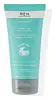
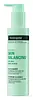
REN Clean Skincare ClearCalm Clarifying Clay Cleanser Versus Neutrogena Skin Balancing Clay Cleanser for Oily Skin
This clay cleanser uses mild cleansing ingredients, but contains alcohol that may feel drying for some.
This mild clay cleanser is mild enough to cleanse without leaving skin feeling tight or stripped.


What's inside
What's inside
 Key Ingredients
Benefits
Concerns
Ingredients Side-by-side
Water
Skin ConditioningKaolin
Abrasive



Cetearyl Alcohol
Emollient






Caprylic/Capric Triglyceride
Masking

Sesamum Indicum Seed Oil
Emollient
Glycerin
Humectant
Cetearyl Glucoside
Emulsifying
Helianthus Annuus Seed Oil
Emollient
Salix Nigra Bark Extract
Skin ProtectingZinc Gluconate
Skin Conditioning
Bisabolol
Antioxidant


Oryzanol
Skin ConditioningSalvia Officinalis Oil
Masking
Lavandula Angustifolia Oil
Masking



Calendula Officinalis Flower Extract
Masking
Leptospermum Scoparium Branch/Leaf Oil
Tonic
Tocopherol
Antioxidant



Benzyl Alcohol
Perfuming


Dehydroacetic Acid
Preservative
Anthemis Nobilis Flower Oil
Masking
Xanthan Gum
EmulsifyingCrataegus Oxyacantha Stem Extract
AntimicrobialCocos Nucifera Fruit Extract
Emollient
Glucose
Humectant
Lactobacillus
Skin ConditioningSodium Chloride
MaskingLactoperoxidase
StabilisingGlucose Oxidase
StabilisingLactic Acid
Buffering

Linalool
Perfuming
Water, Kaolin, Cetearyl Alcohol, Caprylic/Capric Triglyceride, Sesamum Indicum Seed Oil, Glycerin, Cetearyl Glucoside, Helianthus Annuus Seed Oil, Salix Nigra Bark Extract, Zinc Gluconate, Bisabolol, Oryzanol, Salvia Officinalis Oil, Lavandula Angustifolia Oil, Calendula Officinalis Flower Extract, Leptospermum Scoparium Branch/Leaf Oil, Tocopherol, Benzyl Alcohol, Dehydroacetic Acid, Anthemis Nobilis Flower Oil, Xanthan Gum, Crataegus Oxyacantha Stem Extract, Cocos Nucifera Fruit Extract, Glucose, Lactobacillus, Sodium Chloride, Lactoperoxidase, Glucose Oxidase, Lactic Acid, Linalool



Reviews
Ingredients Explained
These ingredients are found in both products.
Ingredients higher up in an ingredient list are typically present in a larger amount.
Glycerin (or glycerol) is a compound naturally found in your skin. It's a powerhouse humectant that pulls water into the stratum corneum.
Topically, glycerin does several things at once:
Your skin makes glycerin on its own (mostly from sebaceous oil breakdown) and shuttles it to your outermost layer of skin, or your epidermis, via aquaporin-3.
Aquaporin-3 is a transporter that is essential for normal skin hydration, elasticity, and repair. Interestingly, mice lacking in AQP3 have dry and less elastic skin that can be fully corrected with glycerin.
This ingredient is non-irritating, plays well with almost every ingredient, and works across all skin types. Typical use is anywhere between 3-10% but can go up to 79% in some leave-on products.
Just know very high concentrations (>40%) can feel tacky in low humidity.
Glycerin is the name for this ingredient in American English. British English uses Glycerol/Glycerine.
Learn more about GlycerinKaolin is a clay. It is used for oil control and to help minimize pores. Like other clays, kaolin has the ability to absorb excess sebum or oil. This can help clean out pores and mattify the skin.
Some types of kaolin may have exfoliating properties. When water is added to kaolin, it becomes a paste with small abrasive particles.
Most kaolin is a white color, but may be pink/orange/red depending on where it comes from.
The name 'kaolin' comes from a Chinese village named 'Gaoling'. Kaolin clay comes from rocks rich in kaolinite. Kaolinite, the mineral, has a silicate layered structure. Kaolinite is formed from chemical weathering of aluminum siilicate minerals.
Besides skincare, kaolin is commonly used to make glossy paper, in ceramics, toothpaste, and as medicine to soothe stomach issues.
Learn more about KaolinWater. It's the most common cosmetic ingredient of all. You'll usually see it at the top of ingredient lists, meaning that it makes up the largest part of the product.
So why is it so popular? Water most often acts as a solvent - this means that it helps dissolve other ingredients into the formulation.
You'll also recognize water as that liquid we all need to stay alive. If you see this, drink a glass of water. Remember to stay hydrated!
Learn more about WaterXanthan gum is used as a stabilizer and thickener within cosmetic products. It helps give products a sticky, thick feeling - preventing them from being too runny.
On the technical side of things, xanthan gum is a polysaccharide - a combination consisting of multiple sugar molecules bonded together.
Xanthan gum is a pretty common and great ingredient. It is a natural, non-toxic, non-irritating ingredient that is also commonly used in food products.
Learn more about Xanthan Gum

