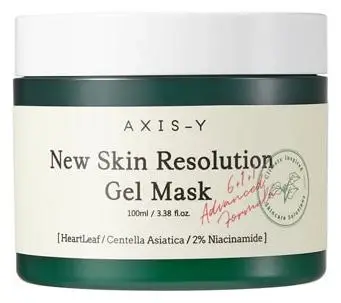
Rejuran Derma Healer Pore Tightening Toner Pad Versus SKIN1004 Madagascar Centella Quick Calming Pad
This pore-care toner pad uses a pre-saturated pad with Niacinamide and Salicylic Acid to refine the look of pores and calm redness.
This calming toner pad uses a pre-saturated pad with Centella Asiatica Extract and Panthenol to calm redness and strengthen the skin barrier.

What's inside
What's inside
 Key Ingredients
Benefits
Concerns
No concerns
Ingredients Side-by-side
Water
Skin ConditioningDipropylene Glycol
HumectantButylene Glycol
Humectant

Glycerin
Humectant
Niacinamide
Smoothing









Aloe Barbadensis Leaf Juice
Skin Conditioning
Calendula Officinalis Extract
Skin Conditioning
Avena Sativa Kernel Extract
Abrasive

Cucumis Sativus Fruit Extract
Emollient
Hydroxyacetophenone
Antioxidant
Tromethamine
BufferingPolyglyceryl-10 Laurate
Skin Conditioning

Salicylic Acid
Masking




Gluconolactone
Skin Conditioning
Caprylyl Glycol
Emollient
Lactic Acid
Buffering
Carbomer
Emulsion Stabilising1,2-Hexanediol
Skin Conditioning
Ammonium Acryloyldimethyltaurate/Vp Copolymer
Ethylhexylglycerin
Skin ConditioningXanthan Gum
EmulsifyingTocopherol
Antioxidant
Adenosine
Skin Conditioning
Cellulose Gum
Emulsion StabilisingLaminaria Ochroleuca Extract
Skin Conditioning
Hydrolyzed DNA
Skin ConditioningHamamelis Virginiana Extract
Antiseborrhoeic
Capryloyl Salicylic Acid
Exfoliating
Epilobium Fleischeri Extract
Skin ConditioningCaprylic/Capric Triglyceride
Masking
Methyl Diisopropyl Propionamide
MaskingDipotassium Glycyrrhizate
Humectant
Canola Oil
Emollient


Citric Acid
Buffering
Daucus Carota Sativa Seed Oil
Emollient
Tocopheryl Acetate
Antioxidant
Helianthus Annuus Seed Oil
Emollient
Daucus Carota Sativa Root Extract
Skin Conditioning
Disodium EDTA
Beta-Carotene
Skin ConditioningWater, Dipropylene Glycol, Butylene Glycol, Glycerin, Niacinamide, Aloe Barbadensis Leaf Juice, Calendula Officinalis Extract, Avena Sativa Kernel Extract, Cucumis Sativus Fruit Extract, Hydroxyacetophenone, Tromethamine, Polyglyceryl-10 Laurate, Salicylic Acid, Gluconolactone, Caprylyl Glycol, Lactic Acid, Carbomer, 1,2-Hexanediol, Ammonium Acryloyldimethyltaurate/Vp Copolymer, Ethylhexylglycerin, Xanthan Gum, Tocopherol, Adenosine, Cellulose Gum, Laminaria Ochroleuca Extract, Hydrolyzed DNA, Hamamelis Virginiana Extract, Capryloyl Salicylic Acid, Epilobium Fleischeri Extract, Caprylic/Capric Triglyceride, Methyl Diisopropyl Propionamide, Dipotassium Glycyrrhizate, Canola Oil, Citric Acid, Daucus Carota Sativa Seed Oil, Tocopheryl Acetate, Helianthus Annuus Seed Oil, Daucus Carota Sativa Root Extract, Disodium EDTA, Beta-Carotene

Reviews
Ingredients Explained
These ingredients are found in both products.
Ingredients higher up in an ingredient list are typically present in a larger amount.
1,2-Hexanediol is a synthetic liquid and another multi-functional powerhouse.
It is a:
- Humectant, drawing moisture into the skin
- Emollient, helping to soften skin
- Solvent, dispersing and stabilizing formulas
- Preservative booster, enhancing the antimicrobial activity of other preservatives
Butylene Glycol (or BG) is used within cosmetic products for a few different reasons:
Overall, Butylene Glycol is a safe and well-rounded ingredient that works well with other ingredients.
Though this ingredient works well with most skin types, some people with sensitive skin may experience a reaction such as allergic rashes, closed comedones, or itchiness.
Learn more about Butylene GlycolCitric Acid is an alpha hydroxy acid (AHA) naturally found in citrus fruits like oranges, lemons, and limes.
Like other AHAs, citric acid can exfoliate skin by breaking down the bonds that hold dead skin cells together. This helps reveal smoother and brighter skin underneath.
However, this exfoliating effect only happens at high concentrations (20%) which can be hard to find in cosmetic products.
Due to this, citric acid is usually included in small amounts as a pH adjuster. This helps keep products slightly more acidic and compatible with skin's natural pH.
In skincare formulas, citric acid can:
While it can provide some skin benefits, research shows lactic acid and glycolic acid are generally more effective and less irritating exfoliants.
Most citric acid used in skincare today is made by fermenting sugars (usually from molasses). This synthetic version is identical to the natural citrus form but easier to stabilize and use in formulations.
Rosacea skin has a lower threshold for acids generally, with 62.5% of rosacea subjects in one study reacting to lactic acid in a sting test. This is why we mark citric acid as a potential rosacea trigger.
However, this ingredient shows up as a pH adjuster or chelator at roughly 0.1-1% in many products. These low levels are unlikely to be an issue for rosacea skin and becomes a potential trigger at exfoliating concentrations (20%). Because everybody's skin is unique, we recommend a patch test if you are unsure.
Learn more about Citric AcidDisodium EDTA is a chelating agent. It grabs onto and deactivates metal ions that sneak into your products from water, packaging, or air.
This ingredient mainly works behind the scenes and helps with:
On top of that, this ingredient can counteract the effects of hard water by binding to the minerals in it.
One thing worth knowing is that Disodium EDTA has been shown to be a mild penetration enhancer. It can help other ingredients absorb into skin more effectively which can be a double-edged sword (great for actives, but can also make the active too strong if you have sensitive skin).
Clinical patch testing showed no significant skin irritation at typical use concentrations and minimal dermal absorption.
You'll most likely see this ingredient near the end of an ingredient list. It's typically found in concentrations less than 1%.
Learn more about Disodium EDTAEthylhexylglycerin is created from glycerin. It is a multitasker ingredient that:
The CIR Expert Panel found minimal skin absorption or sensitization of any kind in a safety assessment. Though this ingredient is considered well-tolerated, a small number of cases of allergic dermatitis have been published since 2002. Just be sure to patch test if you are unsure.
Industry-reported use ranges from 8% in rinse-off products and 2% in leave-on formulations.
Learn more about EthylhexylglycerinWater. It's the most common cosmetic ingredient of all. You'll usually see it at the top of ingredient lists, meaning that it makes up the largest part of the product.
So why is it so popular? Water most often acts as a solvent - this means that it helps dissolve other ingredients into the formulation.
You'll also recognize water as that liquid we all need to stay alive. If you see this, drink a glass of water. Remember to stay hydrated!
Learn more about WaterXanthan gum is used as a stabilizer and thickener within cosmetic products. It helps give products a sticky, thick feeling - preventing them from being too runny.
On the technical side of things, xanthan gum is a polysaccharide - a combination consisting of multiple sugar molecules bonded together.
Xanthan gum is a pretty common and great ingredient. It is a natural, non-toxic, non-irritating ingredient that is also commonly used in food products.
Learn more about Xanthan Gum