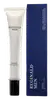
This chemical sunscreen covers the full UV range and blocks ~98% of UVB at SPF 50.

What's inside
What's inside
 Key Ingredients
Benefits
Concerns
Ingredients Side-by-side
Water
Skin ConditioningC12-15 Alkyl Benzoate
AntimicrobialDiethylamino Hydroxybenzoyl Hexyl Benzoate
UV Filter
Ethylhexyl Triazone
UV Absorber
Bis-Ethylhexyloxyphenol Methoxyphenyl Triazine
UV Absorber
Propanediol
Solvent

Phospholipids
Skin Conditioning
Phenoxyethanol
Preservative
Hydroxyacetophenone
Antioxidant
Camellia Sinensis Leaf Extract
Antimicrobial





Centella Asiatica Extract
Cleansing

Portulaca Oleracea Extract
Skin Conditioning
Polypodium Polypodioides Extract
Skin ConditioningNiacinamide
Smoothing


Alpha-Arbutin
Antioxidant
Glycerin
Humectant
Glyceryl Stearate Citrate
Emollient

Isoamyl Laurate
Emollient
Kojic Dipalmitate
Emollient
Caprylic/Capric Triglyceride
Masking
1,2-Hexanediol
Skin Conditioning
Sodium Hyaluronate
Humectant
Potassium Hyaluronate
Skin ConditioningSodium Hyaluronate Crosspolymer
Humectant
Sodium Acetylated Hyaluronate
Humectant
Hydroxypropyltrimonium Hyaluronate
Hydrolyzed Hyaluronic Acid
Humectant
Hyaluronic Acid
Humectant
Hydrolyzed Sodium Hyaluronate
Skin Conditioning
Sodium Retinoyl Hyaluronate
Zinc Hydrolyzed Hyaluronate
HumectantAscorbylpropyl Hydrolyzed Hyaluronate
HumectantAscorbyl Propyl Hyaluronate
Skin Conditioning
Dimethylsilanol Hyaluronate
Humectant
Pentylene Glycol
Skin Conditioning
Butylene Glycol
Humectant
Sodium Benzoate
Masking
Potassium Sorbate
Preservative
Tetrahydrodiferuloylmethane
Antioxidant
Sodium Acrylates Copolymer
Lecithin
Emollient
Acrylates/C10-30 Alkyl Acrylate Crosspolymer
Emulsion StabilisingXanthan Gum
EmulsifyingGlabridin
BleachingDisodium EDTA
Chelating4-Butylresorcinol
Antioxidant
Water, C12-15 Alkyl Benzoate, Diethylamino Hydroxybenzoyl Hexyl Benzoate, Ethylhexyl Triazone, Bis-Ethylhexyloxyphenol Methoxyphenyl Triazine, Propanediol, Phospholipids, Phenoxyethanol, Hydroxyacetophenone, Camellia Sinensis Leaf Extract, Centella Asiatica Extract, Portulaca Oleracea Extract, Polypodium Polypodioides Extract, Niacinamide, Alpha-Arbutin, Glycerin, Glyceryl Stearate Citrate, Isoamyl Laurate, Kojic Dipalmitate, Caprylic/Capric Triglyceride, 1,2-Hexanediol, Sodium Hyaluronate, Potassium Hyaluronate, Sodium Hyaluronate Crosspolymer, Sodium Acetylated Hyaluronate, Hydroxypropyltrimonium Hyaluronate, Hydrolyzed Hyaluronic Acid, Hyaluronic Acid, Hydrolyzed Sodium Hyaluronate, Sodium Retinoyl Hyaluronate, Zinc Hydrolyzed Hyaluronate, Ascorbylpropyl Hydrolyzed Hyaluronate, Ascorbyl Propyl Hyaluronate, Dimethylsilanol Hyaluronate, Pentylene Glycol, Butylene Glycol, Sodium Benzoate, Potassium Sorbate, Tetrahydrodiferuloylmethane, Sodium Acrylates Copolymer, Lecithin, Acrylates/C10-30 Alkyl Acrylate Crosspolymer, Xanthan Gum, Glabridin, Disodium EDTA, 4-Butylresorcinol
Water
Skin ConditioningGlycerin
Humectant
Butyrospermum Parkii Butter
Skin Conditioning


Panthenol
Skin Conditioning
Glyceryl Stearate Citrate
Emollient
Alpha-Arbutin
Antioxidant
Aloe Barbadensis Extract
Skin Conditioning
Dipotassium Glycyrrhizate
Humectant
Kojic Dipalmitate
Emollient
Sodium Levulinate
Skin ConditioningPotassium Sorbate
Preservative
Allantoin
Skin Conditioning
Rosmarinus Officinalis Extract
AntimicrobialPolyacrylate Crosspolymer-6
Emulsion StabilisingMelaleuca Alternifolia Leaf Oil
Antioxidant



Sodium Gluconate
ChelatingWater, Glycerin, Butyrospermum Parkii Butter, Panthenol, Glyceryl Stearate Citrate, Alpha-Arbutin, Aloe Barbadensis Extract, Dipotassium Glycyrrhizate, Kojic Dipalmitate, Sodium Levulinate, Potassium Sorbate, Allantoin, Rosmarinus Officinalis Extract, Polyacrylate Crosspolymer-6, Melaleuca Alternifolia Leaf Oil, Sodium Gluconate
Reviews
Ingredients Explained
These ingredients are found in both products.
Ingredients higher up in an ingredient list are typically present in a larger amount.
Alpha-Arbutin is a brightening active used to fade dark spots, melasma, and post-acne marks. Structurally, it is a hydroquinone with a sugar molecule attached (but is much gentler than raw hydroquinone).
It has a pretty elegant way of working; it slots into tyrosinase, or the key enzyme that your skin uses to make melanin), and competitively blocks it so your skin produces less pigment over time.
There are two forms of arbutin and alpha is the better one to reach for: it works at lower amounts, absorbs into skin more easily, and has a strong safety record.
The science backs this up too: lab and animal studies confirm it lowers melanin by blocking tyosinase and the more you use (up to a point), the more it works.
Human studies look good too.
A 2024 trial found a cream with 5% alpha-arbutin and 2% kojic acid worked about as well as a prescription melasma cream but with fewer side effects. Another study showed 2% alpha-arbutin paired with 10% Trihydroxybenzoic Acid Glucoside and sunscreen faded dark spots and melasma without causing irritation.
Concentration-wise, most serums land in the 1-2% range.
The EU's Scientific Committee on Consumer Safety concluded that alpha-arbutin is safe in face creams up to 2% and body lotions up to 0.5%.
Overall, this is a well-studied and low-irritation brightener that's a great pick for anyone dealing with uneven skin tone. It also pairs well with vitamin C, niacinamide, and sunscreen.
Alpha-Arbutin is a brightening molecule with a sugar attached to it. That sugar makes it love water which is great for keeping products stable...but not so great for getting through your skin.
The outer layer of your skin is oily and waterproof by design so water-loving ingredients have a harder time getting past it.
Lab tests using real human skin show only a tiny fraction of the Alpha-Arbutin applied actually made it below the surface. Most of it just sat on top and eventually got washed or rubbed away.
So why bother?
Because it doesn't really need to go far. Pigment gets made just under the surface so even a small amount landing in the right place can slow it down. Studies where people used 2% Alpha-Arbutin along with sunscreen did see dark spots fade. Keep in mind it's just slow so expect months, not weeks.
You might have heard Alpha-Arbutin turns into hydroquinone (a much stronger, prescription-level brightener) once it's on your face. It can happen in theory since bacteria on your skin can break that sugar off.
But the amount was almost nothing when researchers actually measured it on real people. That's why European safety regulators looked at all of this in 2023 and said 2% for face products and 0.5% for body products is fine.
We can tell you a product has Alpha-Arbutin in it but nobody can tell you how much will absorb into your skin. Here's why:
This is why safety regulators test absorption on actual skin in a lab instead of trying to calculate it. If it could be predicted from an ingredient list, they'd do that.
Learn more about Alpha-ArbutinGlycerin (or glycerol) is a compound naturally found in your skin. It's a powerhouse humectant that pulls water into the stratum corneum.
Topically, glycerin does several things at once:
Your skin makes glycerin on its own (mostly from sebaceous oil breakdown) and shuttles it to your outermost layer of skin, or your epidermis, via aquaporin-3.
Aquaporin-3 is a transporter that is essential for normal skin hydration, elasticity, and repair. Interestingly, mice lacking in AQP3 have dry and less elastic skin that can be fully corrected with glycerin.
This ingredient is non-irritating, plays well with almost every ingredient, and works across all skin types. Typical use is anywhere between 3-10% but can go up to 79% in some leave-on products.
Just know very high concentrations (>40%) can feel tacky in low humidity.
Glycerin is the name for this ingredient in American English. British English uses Glycerol/Glycerine.
Learn more about GlycerinGlyceryl Stearate Citrate is a citric acid ester of glyceryl stearate.
It is an emulsifier, emollient, and a surfactant.
Emulsifiers help stabilize a product. It does this by preventing certain ingredients from separating. Common ingredients include oils and water, which do not mix naturally. Emulsifiers have properties that help keep ingredients such as these together.
Emollients help soothe and soften the skin. They do this by creating a protective film on your skin. This barrier helps trap moisture and keeps your skin hydrated. Emollients may be effective at treating dry or itchy skin.
Surfactants help gather oils, dirt, and other pollutants from the skin. This helps them to be easily rinsed away.
Learn more about Glyceryl Stearate CitrateKojic Dipalmitate is an oil-soluble ester of Kojic Acid. It was created by bonding Kojic Acid with two Palmitic Acid chains to solve the instability of regular Kojic Acid.
This ingredient is able to stay stable across a wide pH range (~3-10) and easier to work with in formulations.
On the skin, the enzymes found in our skin cells break down this ingredient to release kojic acid where it then gets to work inhibiting melanin production. This makes it popular in products that target hyperpigmentation, dark spots, melasma, and uneven skin tone.
You'll typically see this ingredient used in concentrations between 0.4 - 4%. Research has shown it can be more effective when combined with ingredients like Acetyl Glucosamine, Alpha Arbutin, or Vitamin C.
Because Kojic Dipalmitate is lipophilic (fat-loving), it is usually incorporated into the oil phase of a formulation and functions as a mild emollient. It is also considered more gentle than kojic acid because it doesn't directly form hydrogen bonds with skin proteins in the same way,
However, be sure to patch test this ingredient if you have sensitivities to Kojic Acid or Palmitic Acid.
Due to the Palmitic Acid, this ingredient may not be fungal acne safe.
Learn more about Kojic DipalmitatePotassium Sorbate is a preservative used to prevent yeast and mold in products. It is commonly found in both cosmetic and food products.
This ingredient comes from potassium salt derived from sorbic acid. Sorbic acid is a natural antibiotic and effective against fungus.
Both potassium sorbate and sorbic acid can be found in baked goods, cheeses, dried meats, dried fruit, ice cream, pickles, wine, yogurt, and more.
You'll often find this ingredient used with other preservatives.
Learn more about Potassium SorbateWater. It's the most common cosmetic ingredient of all. You'll usually see it at the top of ingredient lists, meaning that it makes up the largest part of the product.
So why is it so popular? Water most often acts as a solvent - this means that it helps dissolve other ingredients into the formulation.
You'll also recognize water as that liquid we all need to stay alive. If you see this, drink a glass of water. Remember to stay hydrated!
Learn more about Water

