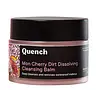
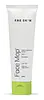
Quench Botanics Mon Cherry Dirt Dissolving Cleansing Balm Versus Fae beauty Face Mop Deep Cleansing Balm
This oil-based makeup remover is made to dissolve makeup, sunscreen, and daily buildup.
This oil-based makeup remover is made to dissolve makeup, sunscreen, and daily buildup.

What's inside
What's inside
 Key Ingredients
Benefits
Concerns
Ingredients Side-by-side
Ethylhexyl Palmitate
Emollient




Cetyl Ethylhexanoate
EmollientSorbeth-30 Tetraoleate
Emulsifying
Synthetic Wax
Abrasive
Microcrystalline Wax
Emulsion StabilisingParfum
Masking


Glyceryl Caprylate
EmollientEclipta Prostrata Extract
Skin Conditioning
Melia Azadirachta Leaf Extract
Skin ConditioningSalicylic Acid
Masking







Water
Skin ConditioningMoringa Oleifera Seed Oil
Emollient

Butylene Glycol
Humectant
Ethyl Hexanediol
Solvent1,2-Hexanediol
Skin Conditioning
Prunus Serrulata Flower Extract
Skin ConditioningCitrus Paradisi Fruit Extract
Skin ConditioningPearl Extract
Antioxidant
Ethylhexyl Palmitate, Cetyl Ethylhexanoate, Sorbeth-30 Tetraoleate, Synthetic Wax, Microcrystalline Wax, Parfum, Glyceryl Caprylate, Eclipta Prostrata Extract, Melia Azadirachta Leaf Extract, Salicylic Acid, Water, Moringa Oleifera Seed Oil, Butylene Glycol, Ethyl Hexanediol, 1,2-Hexanediol, Prunus Serrulata Flower Extract, Citrus Paradisi Fruit Extract, Pearl Extract
Ethylhexyl Palmitate
Emollient
Hydrogenated Ethylhexyl Olivate
EmollientHydrogenated Olive Oil Unsaponifiables
Emollient
PEG-20 Glyceryl Triisostearate
Emollient
Cyclopentasiloxane
Emollient
Water
Skin ConditioningHydrogenated Microcrystalline Cera
Cera Microcristallina
Emulsion StabilisingGlyceryl Stearate
Emollient
PEG-100 Stearate
Surfactant
Cetearyl Alcohol
Emollient

Lactic Acid
Buffering



Glycolic Acid
Buffering
Vaccinium Myrtillus Fruit Extract
Skin ConditioningSaccharum Officinarum Extract
MoisturisingCitric Acid
Buffering
Citrus Aurantium Dulcis Fruit Extract
MaskingCitrus Limon Fruit Extract
Masking
Acer Saccharum Extract
Skin ConditioningTartaric Acid
Buffering
Malic Acid
Buffering
Glyceryl Caprylate
EmollientGlyceryl Undecylenate
Emollient
Tocopherol
Antioxidant

Ethylhexyl Palmitate, Hydrogenated Ethylhexyl Olivate, Hydrogenated Olive Oil Unsaponifiables, PEG-20 Glyceryl Triisostearate, Cyclopentasiloxane, Water, Hydrogenated Microcrystalline Cera, Cera Microcristallina, Glyceryl Stearate, PEG-100 Stearate, Cetearyl Alcohol, Lactic Acid, Glycolic Acid, Vaccinium Myrtillus Fruit Extract, Saccharum Officinarum Extract, Citric Acid, Citrus Aurantium Dulcis Fruit Extract, Citrus Limon Fruit Extract, Acer Saccharum Extract, Tartaric Acid, Malic Acid, Glyceryl Caprylate, Glyceryl Undecylenate, Tocopherol
Ingredients Explained
These ingredients are found in both products.
Ingredients higher up in an ingredient list are typically present in a larger amount.
Ethylhexyl Palmitate, also known as octyl palmitate, is created from 2-ethylhexyl alcohol and palmitic acid.
In cosmetics, it plays many roles:
One thing worth noting: a controlled study found this ingredient applied under occlusion to acne-prone subjects increased microcomedones. Just keep in mind this was under occlusive conditions and don't reflect how most products are used day-to-day.
For most people, this is a well-tolerated and lightweight ingredient.
This ingredient may not be fungal acne safe because it is an ester of palmitic acid, a C16 fatty acid that falls within the C11-24 range that Malassezia can metabolize.
You'll see this one rated 4 comedogenic all over the internet. That number isn't from a single study, and the actual research is more interesting.
The original rating comes from 1980s rabbit ear tests (which are a shaky basis for anything). But Ethylhexyl Palmitate is one of the few ingredients with real human data behind it. A 2021 controlled trial found this ingredient increased microcomedones by an average of 365% over four weeks.
Just know that test used the pure ingredient under an occlusive pad on back skin; most products use it at much lower levels alongside other ingredients and plenty of people use those with no issue.
Learn more about Ethylhexyl PalmitateGlyceryl Caprylate comes from glycerin and caprylic acid. It is an emollient, co-emulsifier, and preservative booster.
Its short C8 fatty acid chain makes it behave differently from its longer-chain emollient cousins like Glyceryl Stearate. It feels more lightweight, fast-absorbing, and silky instead of rich and waxy.
As a co-emulsifier, its "head" and "tail" sit at the oil-water interface. But overall, the short C8 tail and not being water soluble means it doesn't really have the muscle to emulsify a formula on its own. That's why you'll often see it paired with a primary emulsifier like Cetearyl Glucoside.
Interestingly, Glyceryl Caprylate acts as a preservative booster. This is because its fatty-acid backbone disrupts microbial lipid membranes. It shows excellent activity against bacteria and yeast but is weaker against mold.
Typical concentrations range from 0.5-1% and this ingredient is generally non-irritating.
Because this ingredient has a C8 fatty acid chain, it is outside the range that the Malassezia yeast metabolizes (making it fungal acne safe).
Learn more about Glyceryl CaprylateWater. It's the most common cosmetic ingredient of all. You'll usually see it at the top of ingredient lists, meaning that it makes up the largest part of the product.
So why is it so popular? Water most often acts as a solvent - this means that it helps dissolve other ingredients into the formulation.
You'll also recognize water as that liquid we all need to stay alive. If you see this, drink a glass of water. Remember to stay hydrated!
Learn more about Water

