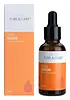
This hydrating serum is formulated around Snail Secretion Filtrate and Dipotassium Glycyrrhizate to hydrate skin and calm redness.
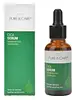
This calming serum is formulated around Centella Asiatica Extract and Panthenol to calm redness and strengthen the skin barrier.

What's inside
What's inside
 Key Ingredients
Benefits
Ingredients Side-by-side
Water
Skin ConditioningButylene Glycol
Humectant

Snail Secretion Filtrate
Skin Conditioning



Corn Gluten Amino Acids
Skin ConditioningDipropylene Glycol
HumectantPhenoxyethanol
Preservative
Dipotassium Glycyrrhizate
Humectant
Sodium Hyaluronate
Humectant

Sodium Polyacrylate
Absorbent
Silk Extract
Skin ConditioningPortulaca Oleracea Extract
Skin Conditioning
Glycerin
Humectant
Potassium Sorbate
Preservative
Hexylene Glycol
EmulsifyingPropanediol
Solvent
Beta-Glucan
Skin Conditioning
Paeonia Suffruticosa Root Extract
Skin ProtectingEthylhexylglycerin
Skin ConditioningOpuntia Ficus-Indica Extract
Skin Conditioning
Eriobotrya Japonica Leaf Extract
Skin ConditioningSelaginella Tamariscina Extract
Skin ConditioningThuja Orientalis Leaf Extract
Antioxidant
Water, Butylene Glycol, Snail Secretion Filtrate, Corn Gluten Amino Acids, Dipropylene Glycol, Phenoxyethanol, Dipotassium Glycyrrhizate, Sodium Hyaluronate, Sodium Polyacrylate, Silk Extract, Portulaca Oleracea Extract, Glycerin, Potassium Sorbate, Hexylene Glycol, Propanediol, Beta-Glucan, Paeonia Suffruticosa Root Extract, Ethylhexylglycerin, Opuntia Ficus-Indica Extract, Eriobotrya Japonica Leaf Extract, Selaginella Tamariscina Extract, Thuja Orientalis Leaf Extract
Water
Skin ConditioningPropanediol
Solvent
Butylene Glycol
Humectant
Corn Gluten Amino Acids
Skin ConditioningGlyceryl Glucoside
Humectant
Centella Asiatica Extract
Cleansing
Panthenol
Skin Conditioning
Saccharide Isomerate
Humectant
Sodium Hyaluronate
Humectant
Tremella Fuciformis Polysaccharide
Emulsion Stabilising
Madecassoside
Antioxidant
Glycyrrhiza Glabra Root Extract
Bleaching

Glycerin
Humectant
Camellia Sinensis Leaf Extract
Antimicrobial

Chamomilla Recutita Flower Extract
Masking
Polygonum Cuspidatum Root Extract
Antioxidant
Rosmarinus Officinalis Leaf Extract
AntimicrobialScutellaria Baicalensis Root Extract
Astringent
Allantoin
Skin Conditioning
Arginine
Masking
Citric Acid
Buffering

Sodium Citrate
BufferingXanthan Gum
EmulsifyingHydroxyacetophenone
Antioxidant
Hexylene Glycol
EmulsifyingSodium Hydroxide
BufferingWater, Propanediol, Butylene Glycol, Corn Gluten Amino Acids, Glyceryl Glucoside, Centella Asiatica Extract, Panthenol, Saccharide Isomerate, Sodium Hyaluronate, Tremella Fuciformis Polysaccharide, Madecassoside, Glycyrrhiza Glabra Root Extract, Glycerin, Camellia Sinensis Leaf Extract, Chamomilla Recutita Flower Extract, Polygonum Cuspidatum Root Extract, Rosmarinus Officinalis Leaf Extract, Scutellaria Baicalensis Root Extract, Allantoin, Arginine, Citric Acid, Sodium Citrate, Xanthan Gum, Hydroxyacetophenone, Hexylene Glycol, Sodium Hydroxide
Ingredients Explained
These ingredients are found in both products.
Ingredients higher up in an ingredient list are typically present in a larger amount.
Butylene Glycol (or BG) is used within cosmetic products for a few different reasons:
Overall, Butylene Glycol is a safe and well-rounded ingredient that works well with other ingredients.
Though this ingredient works well with most skin types, some people with sensitive skin may experience a reaction such as allergic rashes, closed comedones, or itchiness.
Learn more about Butylene GlycolWe don't have a description for Corn Gluten Amino Acids yet.
Glycerin (or glycerol) is a compound naturally found in your skin. It's a powerhouse humectant that pulls water into the stratum corneum.
Topically, glycerin does several things at once:
Your skin makes glycerin on its own (mostly from sebaceous oil breakdown) and shuttles it to your outermost layer of skin, or your epidermis, via aquaporin-3.
Aquaporin-3 is a transporter that is essential for normal skin hydration, elasticity, and repair. Interestingly, mice lacking in AQP3 have dry and less elastic skin that can be fully corrected with glycerin.
This ingredient is non-irritating, plays well with almost every ingredient, and works across all skin types. Typical use is anywhere between 3-10% but can go up to 79% in some leave-on products.
Just know very high concentrations (>40%) can feel tacky in low humidity.
Glycerin is the name for this ingredient in American English. British English uses Glycerol/Glycerine.
Learn more about GlycerinHexylene Glycol is a multitasker ingredient that works as a solvent, humectant, emulsifier, viscosity reducer, and preservative booster.
It is able to dissolve both water and oil-soluble ingredients to stabilize tricky actives and make products spread more easily.
As a humectant, it pulls water into the skin. But it's a pretty minor moisturizing ingredient compared to other humectants, like glycerin.
Interestingly, it can act as a mild penetration enhancer. One in vitro study on human skin found a 12% concentration upped the absorption of mometasone furoate (a medicinal ingredient used to treat inflammatory skin conditions) up to 7%.
This ingredient is typically used at levels of 0.1-10% depending on the role it's playing.
A patch test study on eczema patients didn't find a significant increase in irritation versus the control group, but the potential for irritation rises at higher concentrations.
Learn more about Hexylene GlycolPropanediol is an all-star ingredient. It softens, hydrates, and smooths the skin.
It’s often used to:
Propanediol is not likely to cause sensitivity and considered safe to use. It is derived from corn or petroleum with a clear color and no scent.
Learn more about PropanediolSodium Hyaluronate is the salt form of hyaluronic acid. It is a long sugar chain that is naturally found in your skin, joints, and connective tissue that maintains hydration and elasticity.
In skincare, it works as a humectant. It pulls water from the environment and deeper layers of skin and binds it to the surface.
Interestingly, the size of the molecule affects its behavior:
Some clinical evidence links low molecular weight versions to improved wrinkle depth, elasticity, anti-inflammatory effects, and barrier repair.
Many serums use a blend of both weights so you can get surface hydration plus longer-lasting and deeper effects.
You'll typically see concentrations between 0.1-2% for this ingredient.
Learn more about Sodium HyaluronateWater. It's the most common cosmetic ingredient of all. You'll usually see it at the top of ingredient lists, meaning that it makes up the largest part of the product.
So why is it so popular? Water most often acts as a solvent - this means that it helps dissolve other ingredients into the formulation.
You'll also recognize water as that liquid we all need to stay alive. If you see this, drink a glass of water. Remember to stay hydrated!
Learn more about Water

