Prettywell Multitalented Hyalu Peptide Creamy Toner Versus NYYO Cosmetics Skinbarrier Booster Cooling Gel
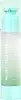
This hydrating toner is formulated around Aloe Barbadensis Leaf Extract and Sodium Hyaluronate to hydrate skin and calm redness.
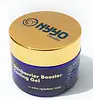
This barrier-repair moisturizer is formulated around Aloe Barbadensis Leaf Extract and Glycyrrhiza Glabra Root Extract to strengthen the skin barrier and calm redness.

What's inside
What's inside
 Key Ingredients
Benefits
Concerns
Ingredients Side-by-side
Water
Skin ConditioningAloe Barbadensis Leaf Extract
Emollient


Sodium Hyaluronate
Humectant


Methylpropanediol
SolventCaprylyl Glycol
Emollient
Camellia Sinensis Leaf Extract
Antimicrobial



Beta-Glucan
Skin Conditioning
Sodium Acetylated Hyaluronate
Humectant
Hydrolyzed Sodium Hyaluronate
Skin Conditioning
Polyglutamic Acid
Skin Conditioning
Panax Ginseng Root Extract
Emollient
Panthenol
Skin Conditioning
Sodium Polyacrylate
Absorbent
C13-14 Isoparaffin
Emollient
Laureth-7
EmulsifyingPhenoxyethanol
Preservative
Acetyl Hexapeptide-8
Humectant
Water, Aloe Barbadensis Leaf Extract, Sodium Hyaluronate, Methylpropanediol, Caprylyl Glycol, Camellia Sinensis Leaf Extract, Beta-Glucan, Sodium Acetylated Hyaluronate, Hydrolyzed Sodium Hyaluronate, Polyglutamic Acid, Panax Ginseng Root Extract, Panthenol, Sodium Polyacrylate, C13-14 Isoparaffin, Laureth-7, Phenoxyethanol, Acetyl Hexapeptide-8
Water
Skin ConditioningButylene Glycol
Humectant
Aloe Barbadensis Leaf Extract
Emollient
Glycyrrhiza Glabra Root Extract
Bleaching
Centella Asiatica Extract
Cleansing
Hyaluronic Acid
Humectant
Caprylic/Capric Triglyceride
Masking
Artemisia Vulgaris Extract
Skin Conditioning
1,2-Hexanediol
Skin Conditioning
Polyacrylamide
Glycerin
Humectant
Beta-Glucan
Skin Conditioning
Kojic Acid
Antioxidant
C13-14 Isoparaffin
Emollient
Phenoxyethanol
Preservative
Allantoin
Skin Conditioning
Hydrogenated Lecithin
Emulsifying
Cholesterol
Emollient
Alpha-Arbutin
Antioxidant
Sodium DNA
Skin Conditioning
Bakuchiol
Antimicrobial
Deoxyphytantriyl Palmitamide Mea
Skin ConditioningLaureth-7
EmulsifyingCeramide NP
Skin Conditioning
Water, Butylene Glycol, Aloe Barbadensis Leaf Extract, Glycyrrhiza Glabra Root Extract, Centella Asiatica Extract, Hyaluronic Acid, Caprylic/Capric Triglyceride, Artemisia Vulgaris Extract, 1,2-Hexanediol, Polyacrylamide, Glycerin, Beta-Glucan, Kojic Acid, C13-14 Isoparaffin, Phenoxyethanol, Allantoin, Hydrogenated Lecithin, Cholesterol, Alpha-Arbutin, Sodium DNA, Bakuchiol, Deoxyphytantriyl Palmitamide Mea, Laureth-7, Ceramide NP
Ingredients Explained
These ingredients are found in both products.
Ingredients higher up in an ingredient list are typically present in a larger amount.
Aloe Barbadensis Leaf Extract is a botanical extract pulled from the leaves of aloe vera and one of the most studied plant ingredients in cosmetics.
The inner leaf gel it comes from is mostly water (~99-99.5%) and the remaining fraction is made up of pretty good stuff: polysaccharides, vitamins, phenolics, and enzymes.
Its headline job is hydration.
The star polysaccharide in aloe, acemannan, is a humectant that retains moisture and helps reduce trans-epidermal water loss.
Aloe also has real soothing credentials; it contains anti-inflammatory compounds like bradykinase and C-glucosyl chromone that help calm irritation and redness.
On the repair side, lab work shows that acemannan wakes up your skin's repair cells (fibroblasts), prompting them to multiply and speed up healing.
There's some human data for cosmetic benefit too: a cream containing 10% Aloe Barbadensis leaf extract improved skin hydration and elasticity in a real-use study.
Safety-wise, this ingredient is well-regarded with just one rare downside; there have been some case reports of acute eczema, contact urticaria, and dermatitis in people who applied aloe-derived ingredients topically. Those with a known aloe or Liliaceae sensitivity should patch test.
Typical use levels range widely, from under 1% up to 90%+ depending on the format and the effect you are after.
Learn more about Aloe Barbadensis Leaf ExtractBeta-Glucan is a soluble polysaccharide (a chain of glucose sugars) sourced from the cells walls of oats, baker's yeast, mushrooms, and seaweed.
It's a rare ingredient that pulls double-duty as a heavy-duty hydrator and skin-soothing repair agent.
On the surface, it acts as a humectant that holds water in place and reduces moisture loss for a plumper, smoother feel, while its anti-inflammatory and antioxidant properties make it a great pick for calming redness or sensitive skin
The more interesting story is underneath:
Despite its large molecular size, oat beta-glucan has been shown to penetrate the epidermis and reach the dermis by slipping between skin cells. Here, it interacts with fibroblasts and macrophages to nudge collagen synthesis and support wound repair.
A small 2005 split-face clinical study of 27 subjects found topical beta-glucan produced measurable reductions in wrinkle depth, height, and roughness after 8 weeks of use.
It is worth noting the trial was small and the penetration testing used frozen, irradiated skin so the anti-aging data is encouraging rather than definitive.
This ingredient gets along with pretty much everything and is typically used around 0.1-1%.
Fungal acne: This ingredient is not a food source for the Malassezia yeast because it is a glucose polysaccharide with no fatty acid or ester component.
Learn more about Beta-GlucanC13-14 Isoparaffin is a synthetic emollient, solvent, and thickening agent. It helps soften skin and improves spreadability without leaving a greasy residue.
This ingredient has been found to be non-sensitizing and safe for use in cosmetics.
Two things floating around online that cause fear-mongering:
There's one scary-sounding study related to kidney tumors in male rats; this depends on a protein called alpha-2u-globulin that binds the ingredient and clogs up kidney cells. Female rats barely make this protein, and humans don't make it at all so this effect cannot happen to us. Regulatory bodies have states this rat-only pathway shouldn't be used to judge human risk.
The other thing you'll see is 1,4-dioxane being a trace byproduct that can form during manufacturing of petroleum-derived ingredients. This is a real, but heavily managed/monitored issue. This byproduct is removed through purification steps before the ingredients goes into the formula. Regulatory bodies also actively monitor residual levels for safety.
One last thing to note: this ingredient is a pure hydrocarbon with no fatty-acid or ester chains for Malassezia to feed on, so it's considered fungal acne safe.
Learn more about C13-14 IsoparaffinLaureth-7 is created by the ethoxylation of lauryl alcohol using ethylene oxide. Lauryl alcohol is a fatty alcohol with hydrating properties.
This ingredient is an emulsifier and cleansing ingredient. As an emulsifier, it is used to prevent ingredients from separating. It also helps cleanse the skin by gathering dirt, oil, and pollutants to be rinsed away.
Phenoxyethanol is one of the most widely used preservatives in skincare (and for good reason!).
It has a large spectrum of antimicrobial activity and especially effective bacteria, yeast, and mold while only having a weak effect on your skin's natural microbiome.
On a cellular level, it disrupts the cell membranes of microbes by poking holes that make the cell leak. This shuts down the chemical reactions the microbe needs to make energy so it can no longer survive.
Another perk of this ingredient is that it stays functional across a wide pH range (3-10).
You'll often see it paired with boosters like Ethylhexylglycerin; one study showed that a 1:9 ratio of Ethylhexylglycerin to Phenoxyethanol damages bacterial membranes as effectively as doubling the Phenoxyethanol concentration on its own.
Typical use concentrations range from 0.3-1% depending on the formula, and this ingredient is capped at 1% int the EU.
Safety-wise, the fear mongering does not hold up to the evidence. The EU's Scientific Committee on Consumer Safety and FDA consider it safe as a preservative at up to 1%, including for children of all ages.
Adverse systemic effects only showed up in animal studies at exposures roughly 200x higher than what people get from cosmetics. And despite its very widespread use, this ingredient is a rare sensitizer and allergic reactions are uncommon.
Learn more about PhenoxyethanolWater. It's the most common cosmetic ingredient of all. You'll usually see it at the top of ingredient lists, meaning that it makes up the largest part of the product.
So why is it so popular? Water most often acts as a solvent - this means that it helps dissolve other ingredients into the formulation.
You'll also recognize water as that liquid we all need to stay alive. If you see this, drink a glass of water. Remember to stay hydrated!
Learn more about Water

