

What's inside
What's inside
 Key Ingredients
Benefits
Concerns
Ingredients Side-by-side
Water
Skin ConditioningUrea
Buffering





Ethylhexyl Stearate
Emollient

Caprylic/Capric Triglyceride
Masking
Glycerin
Humectant

Butyrospermum Parkii Butter
Skin Conditioning
Cyclopentasiloxane
Emollient
C12-15 Alkyl Benzoate
AntimicrobialPolyglyceryl-6 Distearate
Emulsifying
Sodium Citrate
BufferingSodium Acrylate/Sodium Acryloyldimethyl Taurate Copolymer
Emulsion StabilisingCetearyl Alcohol
Emollient
Dimethicone
Emollient
Jojoba Esters
Emollient
Niacinamide
Smoothing







Candelilla/Jojoba/Rice Bran Polyglyceryl-3 Esters
Emulsifying
C15-19 Alkane
SolventPhenoxyethanol
Preservative
Potassium Cetyl Phosphate
EmulsifyingCitric Acid
Buffering
Lauryl Glucoside
CleansingEthylhexylglycerin
Skin ConditioningTetrasodium Glutamate Diacetate
Tocopherol
Antioxidant

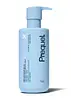
Water, Urea, Ethylhexyl Stearate, Caprylic/Capric Triglyceride, Glycerin, Butyrospermum Parkii Butter, Cyclopentasiloxane, C12-15 Alkyl Benzoate, Polyglyceryl-6 Distearate, Sodium Citrate, Sodium Acrylate/Sodium Acryloyldimethyl Taurate Copolymer, Cetearyl Alcohol, Dimethicone, Jojoba Esters, Niacinamide, Candelilla/Jojoba/Rice Bran Polyglyceryl-3 Esters, C15-19 Alkane, Phenoxyethanol, Potassium Cetyl Phosphate, Citric Acid, Lauryl Glucoside, Ethylhexylglycerin, Tetrasodium Glutamate Diacetate, Tocopherol
Water
Skin ConditioningGlycerin
Humectant
Paraffinum Liquidum
Emollient
Butylene Glycol
Humectant
Cetyl Oleate
Emollient
Urea
Buffering
Dimethicone
Emollient
Cetearyl Alcohol
Emollient
Petrolatum
Emollient
Glyceryl Stearate
Emollient
PEG-60 Glyceryl Isostearate
Glycine
Buffering
Stearic Acid
Cleansing
Isostearic Acid
Cleansing
Behenic Acid
Cleansing
Potassium Carbomer
Emulsion StabilisingSodium Citrate
BufferingPotassium Isostearate
Potassium Behenate
CleansingMenthol
Masking

EDTA
Sodium Paraben
Preservative
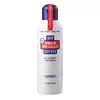
Water, Glycerin, Paraffinum Liquidum, Butylene Glycol, Cetyl Oleate, Urea, Dimethicone, Cetearyl Alcohol, Petrolatum, Glyceryl Stearate, PEG-60 Glyceryl Isostearate, Glycine, Stearic Acid, Isostearic Acid, Behenic Acid, Potassium Carbomer, Sodium Citrate, Potassium Isostearate, Potassium Behenate, Menthol, EDTA, Sodium Paraben
Reviews
Ingredients Explained
These ingredients are found in both products.
Ingredients higher up in an ingredient list are typically present in a larger amount.
Cetearyl alcohol is a mixture of two fatty alcohols: cetyl alcohol and stearyl alcohol. It is mainly used as an emulsifier. Emulsifiers help prevent the separation of oils and products. Due to its composition, it can also be used to thicken a product or help create foam.
Cetearyl alcohol is an emollient. Emollients help soothe and hydrate the skin by trapping moisture.
Studies show Cetearyl alcohol is non-toxic and non-irritating. The FDA allows products labeled "alcohol-free" to have fatty alcohols.
This ingredient is usually derived from plant oils such as palm, vegetable, or coconut oils. There is debate on whether this ingredient will cause acne.
Due to the fatty acid base, this ingredient may not be Malassezia folliculitis safe.
Learn more about Cetearyl AlcoholDimethicone is a type of synthetic silicone created from natural materials such as quartz.
What it does:
Dimethicone comes in different viscosities:
Depending on the viscosity, dimethicone has different properties.
Ingredients lists don't always show which type is used, so we recommend reaching out to the brand if you have questions about the viscosity.
This ingredient is unlikely to cause irritation because it does not get absorbed into skin. However, people with silicone allergies should be careful about using this ingredient.
Note: Dimethicone may contribute to pilling. This is because it is not oil or water soluble, so pilling may occur when layered with products. When mixed with heavy oils in a formula, the outcome is also quite greasy.
Learn more about DimethiconeGlycerin is already naturally found in your skin. It helps moisturize and protect your skin.
A study from 2016 found glycerin to be more effective as a humectant than AHAs and hyaluronic acid.
As a humectant, it helps the skin stay hydrated by pulling moisture to your skin. The low molecular weight of glycerin allows it to pull moisture into the deeper layers of your skin.
Hydrated skin improves your skin barrier; Your skin barrier helps protect against irritants and bacteria.
Glycerin has also been found to have antimicrobial and antiviral properties. Due to these properties, glycerin is often used in wound and burn treatments.
In cosmetics, glycerin is usually derived from plants such as soybean or palm. However, it can also be sourced from animals, such as tallow or animal fat.
This ingredient is organic, colorless, odorless, and non-toxic.
Glycerin is the name for this ingredient in American English. British English uses Glycerol/Glycerine.
Learn more about GlycerinSodium Citrate is the sodium salts of citric acid. In skincare, it is used to alter pH levels and acts as a preservative.
Its main functions are to maintain the pH of a product and neutralize metal ions.
The acidity of our skin is maintained by our glands and skin biome; normal pH level of skin is slightly acidic (~4.75-5.5).
Being slightly acidic allows our skin to create an "acid mantle". This acid mantle is a thin barrier that protects our skin from bacteria and contaminants.
Learn more about Sodium CitrateUrea is also called carbamide and is the diamide of carbonic acid. In cosmetics, urea is used to hydrate the skin. It also provides exfoliation in higher concentrations.
As a humectant, urea helps draw moisture from the air and from deep within the skin. This helps hydrate your skin. Studies show urea is an effective moisturizer for dry skin conditions. 40% urea is typical in medications for treating eczema and other skin conditions.
Urea has the strongest exfoliation effect in concentrations higher than 10%. It is a keratolytic agent, meaning it breaks down the keratin protein in the top layer of skin. This helps remove dead skin cells and flaking skin.
In medicine, urea has been shown to help increase the potency of other ingredients, such as fungal treatments.
Humans and animals use urea to metabolize nitrogen-containing compounds. Urea is highly soluble in water. Once dissolved, it is neither acidic nor alkaline.
Learn more about UreaWater. It's the most common cosmetic ingredient of all. You'll usually see it at the top of ingredient lists, meaning that it makes up the largest part of the product.
So why is it so popular? Water most often acts as a solvent - this means that it helps dissolve other ingredients into the formulation.
You'll also recognize water as that liquid we all need to stay alive. If you see this, drink a glass of water. Stay hydrated!
Learn more about Water
