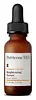
This brightening serum is formulated around Tetrahexyldecyl Ascorbate and Squalane to brighten dull-looking skin and soften the look of wrinkles.
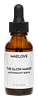
This brightening serum is formulated around Ascorbic Acid and Tocopherol to brighten dull-looking skin and fade the look of dark spots.

What's inside
What's inside
 Key Ingredients
Benefits
Concerns
No concerns
Ingredients Side-by-side
Water
Skin ConditioningTetrahexyldecyl Ascorbate
Antioxidant






Caprylyl Methicone
Skin Conditioning
Hydrogenated Lecithin
Emulsifying

Behenyl Alcohol
Emollient
Benzyl Alcohol
Perfuming






Squalane
Emollient
Rosmarinus Officinalis Leaf Extract
AntimicrobialFerulic Acid
Antimicrobial
Simmondsia Chinensis Seed Oil
Emollient


Sodium Hyaluronate
Humectant
Polysorbate 20
Emulsifying
Xanthan Gum
EmulsifyingBeta-Glucan
Skin Conditioning
Parfum
Masking
Sorbitol
Humectant
Limonene
Perfuming
Stearyl Glycyrrhetinate
Skin ConditioningDisodium EDTA
Elaeis Guineensis Oil
Emollient
Tocotrienols
Skin Conditioning
Linalool
Perfuming
Tocopherol
Antioxidant
Citral
Perfuming
Citronellol
Perfuming
Water, Tetrahexyldecyl Ascorbate, Caprylyl Methicone, Hydrogenated Lecithin, Behenyl Alcohol, Benzyl Alcohol, Squalane, Rosmarinus Officinalis Leaf Extract, Ferulic Acid, Simmondsia Chinensis Seed Oil, Sodium Hyaluronate, Polysorbate 20, Xanthan Gum, Beta-Glucan, Parfum, Sorbitol, Limonene, Stearyl Glycyrrhetinate, Disodium EDTA, Elaeis Guineensis Oil, Tocotrienols, Linalool, Tocopherol, Citral, Citronellol
Water
Skin ConditioningAscorbic Acid
Antioxidant
Ethoxydiglycol
HumectantAloe Barbadensis Leaf Juice
Skin Conditioning
Vitis Vinifera
MaskingVitis Vinifera Seed Extract
Antimicrobial
Glycerin
Humectant
Sodium Hyaluronate
Humectant
Magnolia Officinalis Bark Extract
Antimicrobial
Tocopherol
Antioxidant
Xanthan Gum
EmulsifyingFerulic Acid
Antimicrobial
Lecithin
Emollient
Disodium EDTA
Sodium Metabisulfite
Antioxidant
Citrus Aurantium Dulcis Callus Culture Extract
Skin ConditioningEthylhexylglycerin
Skin ConditioningMaltodextrin
Absorbent
Triethanolamine
BufferingPhenoxyethanol
Preservative
Water, Ascorbic Acid, Ethoxydiglycol, Aloe Barbadensis Leaf Juice, Vitis Vinifera, Vitis Vinifera Seed Extract, Glycerin, Sodium Hyaluronate, Magnolia Officinalis Bark Extract, Tocopherol, Xanthan Gum, Ferulic Acid, Lecithin, Disodium EDTA, Sodium Metabisulfite, Citrus Aurantium Dulcis Callus Culture Extract, Ethylhexylglycerin, Maltodextrin, Triethanolamine, Phenoxyethanol
Reviews
Ingredients Explained
These ingredients are found in both products.
Ingredients higher up in an ingredient list are typically present in a larger amount.
Disodium EDTA is a chelating agent. It grabs onto and deactivates metal ions that sneak into your products from water, packaging, or air.
This ingredient mainly works behind the scenes and helps with:
On top of that, this ingredient can counteract the effects of hard water by binding to the minerals in it.
One thing worth knowing is that Disodium EDTA has been shown to be a mild penetration enhancer. It can help other ingredients absorb into skin more effectively which can be a double-edged sword (great for actives, but can also make the active too strong if you have sensitive skin).
Clinical patch testing showed no significant skin irritation at typical use concentrations and minimal dermal absorption.
You'll most likely see this ingredient near the end of an ingredient list. It's typically found in concentrations less than 1%.
Learn more about Disodium EDTAFerulic Acid is a plant based antioxidant that can be naturally found in the cell walls of grains like rice, oats, and corn. It has antioxidant and antimicrobial properties, and has the ability to boost the performance of other antioxidants as well.
A well-known study found that adding Ferulic Acid to a solution of Vitamins C and E doubled the photoprotection of skin. This is why you'll often see it paired with Vitamin C or Vitamin E serums rather than sold on its own.
A 2025 review of 18 human studies found that using Ferulic Acid (0.5-1%) daily for one to three months showed improvements in:
As far as allergies go, Ferulic acid is generally well-tolerated but can cause an allergic reaction in very rare cases. It's also worth noting that Ferulic acid is often extracted from plant sources like rice bran or wheat bran, so be sure to path test if you have known grain allergies.
Outside of skincare, researchers are also looking into Ferulic Acid for its potential benefits in areas like diabetes, Alzheimer's, and heart health.
Learn more about Ferulic AcidSodium Hyaluronate is the salt form of hyaluronic acid. It is a long sugar chain that is naturally found in your skin, joints, and connective tissue that maintains hydration and elasticity.
In skincare, it works as a humectant. It pulls water from the environment and deeper layers of skin and binds it to the surface.
Interestingly, the size of the molecule affects its behavior:
Some clinical evidence links low molecular weight versions to improved wrinkle depth, elasticity, anti-inflammatory effects, and barrier repair.
Many serums use a blend of both weights so you can get surface hydration plus longer-lasting and deeper effects.
You'll typically see concentrations between 0.1-2% for this ingredient.
Learn more about Sodium HyaluronateTocopherol is a fat-soluble antioxidant known as Vitamin E.
You'll find this ingredient in the vast majority of skincare (for good reason). It works to neutralize free radicals, or unstable molecules generated by UV exposure, pollution, and other environmental stressors, before they can cause oxidative damage to your skin cells.
Topically applied tocopherol has been shown to protect against UV damage by ramping up the skin's own natural defense enzymes.
It also acts as a skin conditioning agent; some studies show that regular topical use can improve the skin's water-binding capacity over 2-4 weeks.
This ingredient is especially loved for being a team player. When combined with Vitamin C, the photoprotective effect of both ingredients roughly doubles and the combo also helps reduce UV-induced DNA damage.
This ingredient has some brightening potential but it's more of a prevention ingredient than spot-fader. Cell studies show it can slow down melanin production but it's worth noting that it's not the most powerful brightener out there.
In formulations, it also serves as a stabilizer that helps protect other oxidation-prone ingredients from degrading.
Concentrations usually range from 0.1-1% in most leave-on products.
Learn more about TocopherolWater. It's the most common cosmetic ingredient of all. You'll usually see it at the top of ingredient lists, meaning that it makes up the largest part of the product.
So why is it so popular? Water most often acts as a solvent - this means that it helps dissolve other ingredients into the formulation.
You'll also recognize water as that liquid we all need to stay alive. If you see this, drink a glass of water. Remember to stay hydrated!
Learn more about WaterXanthan gum is used as a stabilizer and thickener within cosmetic products. It helps give products a sticky, thick feeling - preventing them from being too runny.
On the technical side of things, xanthan gum is a polysaccharide - a combination consisting of multiple sugar molecules bonded together.
Xanthan gum is a pretty common and great ingredient. It is a natural, non-toxic, non-irritating ingredient that is also commonly used in food products.
Learn more about Xanthan Gum

