This calming serum is formulated around Snail Secretion Filtrate and Madecassoside to calm redness and strengthen the skin barrier.


What's inside
What's inside
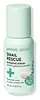 Key Ingredients

Benefits
Concerns
No concerns
Ingredients Side-by-side
Snail Secretion Filtrate
Skin Conditioning





Propanediol
Solvent
1,2-Hexanediol
Skin Conditioning
Hydrolyzed Hyaluronic Acid
Humectant

Hyaluronic Acid
Humectant
Sodium Hyaluronate
Humectant
Bambusa Textilis Stem Extract
Skin ConditioningButylene Glycol
Humectant
Centella Asiatica Extract
Cleansing
Centella Asiatica Leaf Extract
Skin Conditioning
Centella Asiatica Root Extract
Skin Conditioning
Madecassic Acid
Skin Conditioning
Madecassoside
Antioxidant
Asiatic Acid
Skin Conditioning
Asiaticoside
Antioxidant
Water
Skin ConditioningBetula Alba Juice
AstringentCarbomer
Emulsion StabilisingHydroxyacetophenone
Antioxidant
Tromethamine
BufferingPinus Pinaster Bark Extract
Antioxidant
Ethylhexylglycerin
Skin ConditioningSnail Secretion Filtrate, Propanediol, 1,2-Hexanediol, Hydrolyzed Hyaluronic Acid, Hyaluronic Acid, Sodium Hyaluronate, Bambusa Textilis Stem Extract, Butylene Glycol, Centella Asiatica Extract, Centella Asiatica Leaf Extract, Centella Asiatica Root Extract, Madecassic Acid, Madecassoside, Asiatic Acid, Asiaticoside, Water, Betula Alba Juice, Carbomer, Hydroxyacetophenone, Tromethamine, Pinus Pinaster Bark Extract, Ethylhexylglycerin
Citrus Aurantium Amara Flower Water
MaskingCamellia Sinensis Extract
Antioxidant
Aloe Barbadensis Extract
Skin Conditioning
Ulva Lactuca Extract
Skin ConditioningChondrus Crispus Extract
Skin Conditioning
Spirulina Amino Acids
Skin ConditioningFucus Vesiculosus Extract
Emollient
Sodium Cocoyl Glutamate
Cleansing
Chamomilla Recutita Extract
Skin Conditioning
Hyaluronic Acid
Humectant
Salvia Officinalis Leaf Extract
CleansingSodium Lauroyl Oat Amino Acids
CleansingRosmarinus Officinalis Leaf Extract
AntimicrobialArnica Montana Flower Extract
Masking
Sodium C14-16 Olefin Sulfonate
Cleansing

Coco-Glucoside
Cleansing
Disodium Cocoyl Glutamate
Cleansing
Cocamidopropyl Betaine
Cleansing
Bambusa Vulgaris Extract
Skin Conditioning
Symphytum Officinale Leaf Extract
Skin ConditioningPentylene Glycol
Skin Conditioning
Caprylyl Glycol
Emollient
Propanediol
Solvent
Ethylhexylglycerin
Skin ConditioningCitrus Aurantium Amara Flower Water, Camellia Sinensis Extract, Aloe Barbadensis Extract, Ulva Lactuca Extract, Chondrus Crispus Extract, Spirulina Amino Acids, Fucus Vesiculosus Extract, Sodium Cocoyl Glutamate, Chamomilla Recutita Extract, Hyaluronic Acid, Salvia Officinalis Leaf Extract, Sodium Lauroyl Oat Amino Acids, Rosmarinus Officinalis Leaf Extract, Arnica Montana Flower Extract, Sodium C14-16 Olefin Sulfonate, Coco-Glucoside, Disodium Cocoyl Glutamate, Cocamidopropyl Betaine, Bambusa Vulgaris Extract, Symphytum Officinale Leaf Extract, Pentylene Glycol, Caprylyl Glycol, Propanediol, Ethylhexylglycerin
Reviews
Alternatives
Ingredients Explained
These ingredients are found in both products.
Ingredients higher up in an ingredient list are typically present in a larger amount.
Ethylhexylglycerin is created from glycerin. It is a multitasker ingredient that:
The CIR Expert Panel found minimal skin absorption or sensitization of any kind in a safety assessment. Though this ingredient is considered well-tolerated, a small number of cases of allergic dermatitis have been published since 2002. Just be sure to patch test if you are unsure.
Industry-reported use ranges from 8% in rinse-off products and 2% in leave-on formulations.
Learn more about EthylhexylglycerinHyaluronic acid (HA) is a glycosaminoglycan (basically a long sugar chain) that your skin already makes on its own. In your skin, HA lives in the extracellular matrix and acts as the body's moisture reservoir.
Topically, HA is a humectant that binds water and helps skin look more plump, smooth, and hydrated.
The only catch is that HA isn't a single thing; it actually comes in a wide range of molecular weights (~50 - 2,000+ kDA) and size matters.
Some clinical evidence links low molecular weight versions to improved wrinkle depth, elasticity, anti-inflammatory effects, and barrier repair.
This is why the best HA serums blend the two sizes together so you get the best of both worlds.
The majority of cosmetic HA is produced by bacterial fermentation, typically using Streptococcus or Bacillus strains. Typical use levels in skincare sit around 0.1-2%.
A clinical study using a 0.2% low-molecular weight HA gel showed improvement in facial seborrheic dermatitis with excellent tolerance.
These are some other common types of Hyaluronic Acid:
Learn more about Hyaluronic AcidPropanediol is an all-star ingredient. It softens, hydrates, and smooths the skin.
It’s often used to:
Propanediol is not likely to cause sensitivity and considered safe to use. It is derived from corn or petroleum with a clear color and no scent.
Learn more about Propanediol

