Peach Slices Snail Rescue Blemish Busting Toner Versus Paula's Choice Calm Redness Relief Toner for Normal to Dry Skin
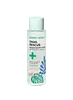
This calming toner is formulated around Snail Secretion Filtrate and Centella Asiatica Extract to calm redness and strengthen the skin barrier.
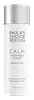
This calming toner is formulated around Allantoin and Dipotassium Glycyrrhizate to calm redness and hydrate skin.


What's inside
What's inside
 Key Ingredients
Benefits
Concerns
No concerns
Ingredients Side-by-side




Water
Skin ConditioningGlycerin
Humectant


Cyclopentasiloxane
Emollient
Glycereth-26
Humectant
Allantoin
Skin Conditioning

Genistein
Skin ConditioningCarnosine
Skin Conditioning
Dipotassium Glycyrrhizate
Humectant
Epigallocatechin Gallate
Antioxidant

Glycyrrhiza Glabra Root Extract
Bleaching

Boerhavia Diffusa Root Extract
Skin Protecting
Caprylic/Capric Triglyceride
Masking
Dimethiconol
Emollient
Sodium Hyaluronate
Humectant
Oleic Acid
Emollient




Linolenic Acid
Cleansing

Palmitic Acid
Emollient
Linoleic Acid
Cleansing
Phospholipids
Skin Conditioning
Epilobium Angustifolium Flower/Leaf/Stem Extract
Skin ConditioningPolysorbate 20
Emulsifying
Hydrogenated Lecithin
Emulsifying
Acrylates/C10-30 Alkyl Acrylate Crosspolymer
Emulsion StabilisingXanthan Gum
EmulsifyingLaureth-4
Emulsifying
Laureth-23
Cleansing
Sodium Hydroxide
BufferingButylene Glycol
Humectant
Disodium EDTA
Ethylhexylglycerin
Skin ConditioningPhenoxyethanol
Preservative
Water, Glycerin, Cyclopentasiloxane, Glycereth-26, Allantoin, Genistein, Carnosine, Dipotassium Glycyrrhizate, Epigallocatechin Gallate, Glycyrrhiza Glabra Root Extract, Boerhavia Diffusa Root Extract, Caprylic/Capric Triglyceride, Dimethiconol, Sodium Hyaluronate, Oleic Acid, Linolenic Acid, Palmitic Acid, Linoleic Acid, Phospholipids, Epilobium Angustifolium Flower/Leaf/Stem Extract, Polysorbate 20, Hydrogenated Lecithin, Acrylates/C10-30 Alkyl Acrylate Crosspolymer, Xanthan Gum, Laureth-4, Laureth-23, Sodium Hydroxide, Butylene Glycol, Disodium EDTA, Ethylhexylglycerin, Phenoxyethanol
Reviews
Ingredients Explained
These ingredients are found in both products.
Ingredients higher up in an ingredient list are typically present in a larger amount.
Butylene Glycol (or BG) is used within cosmetic products for a few different reasons:
Overall, Butylene Glycol is a safe and well-rounded ingredient that works well with other ingredients.
Though this ingredient works well with most skin types, some people with sensitive skin may experience a reaction such as allergic rashes, closed comedones, or itchiness.
Learn more about Butylene GlycolEthylhexylglycerin is created from glycerin. It is a multitasker ingredient that:
The CIR Expert Panel found minimal skin absorption or sensitization of any kind in a safety assessment. Though this ingredient is considered well-tolerated, a small number of cases of allergic dermatitis have been published since 2002. Just be sure to patch test if you are unsure.
Industry-reported use ranges from 8% in rinse-off products and 2% in leave-on formulations.
Learn more about EthylhexylglycerinSodium Hyaluronate is the salt form of hyaluronic acid. It is a long sugar chain that is naturally found in your skin, joints, and connective tissue that maintains hydration and elasticity.
In skincare, it works as a humectant. It pulls water from the environment and deeper layers of skin and binds it to the surface.
Interestingly, the size of the molecule affects its behavior:
Some clinical evidence links low molecular weight versions to improved wrinkle depth, elasticity, anti-inflammatory effects, and barrier repair.
Many serums use a blend of both weights so you can get surface hydration plus longer-lasting and deeper effects.
You'll typically see concentrations between 0.1-2% for this ingredient.
Learn more about Sodium HyaluronateXanthan gum is used as a stabilizer and thickener within cosmetic products. It helps give products a sticky, thick feeling - preventing them from being too runny.
On the technical side of things, xanthan gum is a polysaccharide - a combination consisting of multiple sugar molecules bonded together.
Xanthan gum is a pretty common and great ingredient. It is a natural, non-toxic, non-irritating ingredient that is also commonly used in food products.
Learn more about Xanthan Gum

