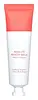
This barrier-repair moisturizer is formulated around Caprylic/Capric Triglyceride and Centella Asiatica Extract to strengthen the skin barrier and hydrate skin.
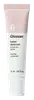
This lip moisturizer is formulated around Petrolatum and Ricinus Communis Seed Oil to hydrate lips.


What's inside
What's inside
 Key Ingredients
Benefits
Concerns
Ingredients Side-by-side
Caprylic/Capric Triglyceride
Masking


Hydroxystearic/Linolenic/Linoleic Polyglycerides
EmollientRicinus Communis Seed Oil
Masking



Helianthus Annuus Seed Oil
Emollient
Beeswax
Emulsion Stabilising


Hydrogenated Castor Oil
Emollient
Hydrogenated Vegetable Oil
Emollient
Copernicia Cerifera Wax
Euphorbia Cerifera Wax
Coptis Japonica Root Extract
Skin ConditioningCentella Asiatica Extract
Cleansing




Panthenol
Skin Conditioning
Tocopherol
Antioxidant



Curcuma Longa Root Extract
Antioxidant
Ceramide NP
Skin Conditioning
Melia Azadirachta Flower Extract
Skin ConditioningCoccinia Indica Fruit Extract
Skin Conditioning
Corallina Officinalis Extract
Skin Conditioning
1,2-Hexanediol
Skin Conditioning
Ocimum Sanctum Leaf Extract
Skin ConditioningPantolactone
Humectant
Solanum Melongena Fruit Extract
Skin ConditioningSymphytum Officinale Leaf Extract
Skin ConditioningButylene Glycol
Humectant
Amber Powder
Water
Skin ConditioningMoringa Oleifera Seed Oil
Emollient
Hydrogenated Lecithin
Emulsifying
Eucalyptus Globulus Leaf Oil
Perfuming


Caprylic/Capric Triglyceride, Hydroxystearic/Linolenic/Linoleic Polyglycerides, Ricinus Communis Seed Oil, Helianthus Annuus Seed Oil, Beeswax, Hydrogenated Castor Oil, Hydrogenated Vegetable Oil, Copernicia Cerifera Wax, Euphorbia Cerifera Wax, Coptis Japonica Root Extract, Centella Asiatica Extract, Panthenol, Tocopherol, Curcuma Longa Root Extract, Ceramide NP, Melia Azadirachta Flower Extract, Coccinia Indica Fruit Extract, Corallina Officinalis Extract, 1,2-Hexanediol, Ocimum Sanctum Leaf Extract, Pantolactone, Solanum Melongena Fruit Extract, Symphytum Officinale Leaf Extract, Butylene Glycol, Amber Powder, Water, Moringa Oleifera Seed Oil, Hydrogenated Lecithin, Eucalyptus Globulus Leaf Oil
Reviews
Ingredients Explained
These ingredients are found in both products.
Ingredients higher up in an ingredient list are typically present in a larger amount.
This ingredient is also known as castor oil. It is a skin conditioning ingredient.
The star component of castor oil is ricinoleic acid, an unusual fatty acid that makes up ~80-92% of its composition.
In skincare, it is an emollient that dries down to a solid film with water-binding properties. This helps keep skin hydrated and helps reduce transepidermal water loss (TEWL).
A 2026 dermatology review pulls together its broader uses:
Human clinical testing found this ingredient to be non-irritating and non-sensitizing.
Because castor oil contains fatty acids in the C11-24 range, this ingredient may not be fungal acne safe.
At this time, the literature does not support castor oil in regrowing hair. A 2022 systematic review found no strong evidence that it supports hair growth and only weak evidence that it improves hair shine.
Castor oil itself carries "perfuming" and "masking" function tags according to the official CosIng database. This is because of its mild odor and odor-dampening properties.
Learn more about Ricinus Communis Seed OilTocopherol is a fat-soluble antioxidant known as Vitamin E.
You'll find this ingredient in the vast majority of skincare (for good reason). It works to neutralize free radicals, or unstable molecules generated by UV exposure, pollution, and other environmental stressors, before they can cause oxidative damage to your skin cells.
Topically applied tocopherol has been shown to protect against UV damage by ramping up the skin's own natural defense enzymes.
It also acts as a skin conditioning agent; some studies show that regular topical use can improve the skin's water-binding capacity over 2-4 weeks.
This ingredient is especially loved for being a team player. When combined with Vitamin C, the photoprotective effect of both ingredients roughly doubles and the combo also helps reduce UV-induced DNA damage.
This ingredient has some brightening potential but it's more of a prevention ingredient than spot-fader. Cell studies show it can slow down melanin production but it's worth noting that it's not the most powerful brightener out there.
In formulations, it also serves as a stabilizer that helps protect other oxidation-prone ingredients from degrading.
Concentrations usually range from 0.1-1% in most leave-on products.
Learn more about Tocopherol

