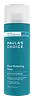
This pore-care toner is formulated around Niacinamide and Panthenol to refine the look of pores and balance excess oil.
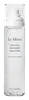
This hydrating treatment is formulated around Glycine and Copper Gluconate to hydrate skin and fade the look of dark spots.

What's inside
What's inside
 Key Ingredients
Benefits
Concerns
No concerns
Ingredients Side-by-side
Water
Skin ConditioningGlycerin
Humectant


Butylene Glycol
Humectant
Niacinamide
Smoothing









Polysorbate 20
Emulsifying

Adenosine
Skin Conditioning
Anthemis Nobilis Flower Extract
Masking
Arctium Lappa Seed Oil
Emollient
Hydrolyzed Jojoba Esters
Skin Conditioning
Sodium PCA
Humectant
Panthenol
Skin Conditioning
Sodium Hyaluronate
Humectant
Ceramide NP
Skin Conditioning
Ceramide AP
Skin Conditioning
Ceramide EOP
Skin Conditioning
Phytosphingosine
Skin Conditioning
Cholesterol
Emollient
Tetrahexyldecyl Ascorbate
Antioxidant

Oleth-10
EmulsifyingSodium Lauroyl Lactylate
EmulsifyingCaprylyl Glycol
Emollient
Hexylene Glycol
EmulsifyingSodium Citrate
BufferingXanthan Gum
EmulsifyingTrisodium EDTA
ChelatingPhenoxyethanol
Preservative
Water, Glycerin, Butylene Glycol, Niacinamide, Polysorbate 20, Adenosine, Anthemis Nobilis Flower Extract, Arctium Lappa Seed Oil, Hydrolyzed Jojoba Esters, Sodium PCA, Panthenol, Sodium Hyaluronate, Ceramide NP, Ceramide AP, Ceramide EOP, Phytosphingosine, Cholesterol, Tetrahexyldecyl Ascorbate, Oleth-10, Sodium Lauroyl Lactylate, Caprylyl Glycol, Hexylene Glycol, Sodium Citrate, Xanthan Gum, Trisodium EDTA, Phenoxyethanol
Water
Skin ConditioningGlycine
Buffering
Calcium Chloride
AstringentSerine
Masking
Oligopeptide-22
Skin Conditioning
Copper Gluconate
Skin Conditioning
Potassium Chloride
Alanine
Masking
Magnesium Aspartate
Skin ConditioningGlucose
Humectant
Proline
Skin Conditioning
Arginine
Masking
Magnesium Chloride
Zinc Gluconate
Skin Conditioning
Lysine
Skin ConditioningCitric Acid
Buffering
Sodium Citrate
BufferingSodium Acetate
BufferingThreonine
Glutamic Acid
Humectant
Sodium PCA
Humectant
Sorbitol
Humectant
Propanediol
Solvent
Sodium Chloride
MaskingZinc Acetate
AntimicrobialPentylene Glycol
Skin Conditioning
Caprylyl Glycol
Emollient
Ethylhexylglycerin
Skin ConditioningWater, Glycine, Calcium Chloride, Serine, Oligopeptide-22, Copper Gluconate, Potassium Chloride, Alanine, Magnesium Aspartate, Glucose, Proline, Arginine, Magnesium Chloride, Zinc Gluconate, Lysine, Citric Acid, Sodium Citrate, Sodium Acetate, Threonine, Glutamic Acid, Sodium PCA, Sorbitol, Propanediol, Sodium Chloride, Zinc Acetate, Pentylene Glycol, Caprylyl Glycol, Ethylhexylglycerin
Reviews
Ingredients Explained
These ingredients are found in both products.
Ingredients higher up in an ingredient list are typically present in a larger amount.
Caprylyl Glycol is a humectant, skin conditioner, emollient, and preservative booster derived from either caprylic acid or synthetically created.
Typical use levels vary from 0.3-1% as a preservative booster and go up to 2% to condition skin.
Because it is not a free-fatty acid, this ingredient is fungal acne safe (there's nothing for Malassezia to feed on).
Learn more about Caprylyl GlycolSodium Citrate is the sodium salts of citric acid. In skincare, it is used to alter pH levels and acts as a preservative.
Its main functions are to maintain the pH of a product and neutralize metal ions.
The acidity of our skin is maintained by our glands and skin biome; normal pH level of skin is slightly acidic (~4.75-5.5).
Being slightly acidic allows our skin to create an "acid mantle". This acid mantle is a thin barrier that protects our skin from bacteria and contaminants.
Learn more about Sodium CitrateSodium PCA (the salt of PCA) is one of the most well-established humectants in skincare.
Why is it so special? Your skin already makes it naturally; it's a natural component of your skin's Natural Moisturizing Factor (NMF), or the mix of water-binding compounds inside your skin cells that keeps things soft and hydrated.
As a cosmetic ingredient, it grabs water and holds it in the upper layers of skin to smooth roughness and ease dehydration.
There's some clinical support for the NMF approach with a study showing that a cream built to mimic the skin's NMF significantly boosted hydration.
Safety-wise, this ingredient non-irritating, non-comedogenic, and non-phototoxic in testing, with minimal skin absorption.
It also works really well with other hydrators like glycerin or hyaluronic acid, and typical usage is somewhere between 0.2-4%.
Learn more about Sodium PCAWater. It's the most common cosmetic ingredient of all. You'll usually see it at the top of ingredient lists, meaning that it makes up the largest part of the product.
So why is it so popular? Water most often acts as a solvent - this means that it helps dissolve other ingredients into the formulation.
You'll also recognize water as that liquid we all need to stay alive. If you see this, drink a glass of water. Remember to stay hydrated!
Learn more about Water

