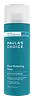
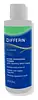
Paula's Choice Skin Balancing Pore-Reducing Toner Versus Differin Pore Minimizing Toner with Witch Hazel
This pore-care toner is formulated around Niacinamide and Panthenol to refine the look of pores and balance excess oil.
This toner is formulated around Panthenol to hydrate and calm irritation.

What's inside
What's inside
 Key Ingredients
No key ingredients
Benefits
Concerns
Ingredients Side-by-side
Water
Skin ConditioningGlycerin
Humectant


Butylene Glycol
Humectant
Niacinamide
Smoothing









Polysorbate 20
Emulsifying

Adenosine
Skin Conditioning
Anthemis Nobilis Flower Extract
Masking
Arctium Lappa Seed Oil
Emollient
Hydrolyzed Jojoba Esters
Skin Conditioning
Sodium PCA
Humectant
Panthenol
Skin Conditioning
Sodium Hyaluronate
Humectant
Ceramide NP
Skin Conditioning
Ceramide AP
Skin Conditioning
Ceramide EOP
Skin Conditioning
Phytosphingosine
Skin Conditioning
Cholesterol
Emollient
Tetrahexyldecyl Ascorbate
Antioxidant

Oleth-10
EmulsifyingSodium Lauroyl Lactylate
EmulsifyingCaprylyl Glycol
Emollient
Hexylene Glycol
EmulsifyingSodium Citrate
BufferingXanthan Gum
EmulsifyingTrisodium EDTA
ChelatingPhenoxyethanol
Preservative
Water, Glycerin, Butylene Glycol, Niacinamide, Polysorbate 20, Adenosine, Anthemis Nobilis Flower Extract, Arctium Lappa Seed Oil, Hydrolyzed Jojoba Esters, Sodium PCA, Panthenol, Sodium Hyaluronate, Ceramide NP, Ceramide AP, Ceramide EOP, Phytosphingosine, Cholesterol, Tetrahexyldecyl Ascorbate, Oleth-10, Sodium Lauroyl Lactylate, Caprylyl Glycol, Hexylene Glycol, Sodium Citrate, Xanthan Gum, Trisodium EDTA, Phenoxyethanol
Water
Skin ConditioningHamamelis Virginiana Water
Astringent


Polysorbate 20
Emulsifying
Hamamelis Virginiana Leaf Extract
Skin Conditioning
Aloe Barbadensis Leaf Juice
Skin Conditioning
Rosa Canina Fruit Extract
Astringent
Panthenol
Skin Conditioning
Sodium PCA
Humectant
Imidazolidinyl Urea
Preservative
Hydroxyethylcellulose
Emulsion StabilisingMethylparaben
Preservative

Benzophenone-4
UV Absorber
Propylparaben
Preservative
Tetrasodium EDTA
ChelatingCitric Acid
Buffering
Glycerin
Humectant
Anthemis Nobilis Flower Extract
Masking
Parfum
Masking
Blue 1 Lake
Cosmetic ColorantCI 19140
Cosmetic ColorantWater, Hamamelis Virginiana Water, Polysorbate 20, Hamamelis Virginiana Leaf Extract, Aloe Barbadensis Leaf Juice, Rosa Canina Fruit Extract, Panthenol, Sodium PCA, Imidazolidinyl Urea, Hydroxyethylcellulose, Methylparaben, Benzophenone-4, Propylparaben, Tetrasodium EDTA, Citric Acid, Glycerin, Anthemis Nobilis Flower Extract, Parfum, Blue 1 Lake, CI 19140
Reviews
Ingredients Explained
These ingredients are found in both products.
Ingredients higher up in an ingredient list are typically present in a larger amount.
Anthemis Nobilis Flower Extract is from the Roman Chamomile flower. It helps soothe the skin and contains antioxidants.
Glycerin (or glycerol) is a compound naturally found in your skin. It's a powerhouse humectant that pulls water into the stratum corneum.
Topically, glycerin does several things at once:
Your skin makes glycerin on its own (mostly from sebaceous oil breakdown) and shuttles it to your outermost layer of skin, or your epidermis, via aquaporin-3.
Aquaporin-3 is a transporter that is essential for normal skin hydration, elasticity, and repair. Interestingly, mice lacking in AQP3 have dry and less elastic skin that can be fully corrected with glycerin.
This ingredient is non-irritating, plays well with almost every ingredient, and works across all skin types. Typical use is anywhere between 3-10% but can go up to 79% in some leave-on products.
Just know very high concentrations (>40%) can feel tacky in low humidity.
Glycerin is the name for this ingredient in American English. British English uses Glycerol/Glycerine.
Learn more about GlycerinPanthenol is a common ingredient that helps hydrate and soothe the skin. It is found naturally in our skin and hair.
There are two forms of panthenol: D and L.
D-panthenol is also known as dexpanthenol. Most cosmetics use dexpanthenol or a mixture of D and L-panthenol.
Panthenol is famous due to its ability to go deeper into the skin's layers. Using this ingredient has numerous pros (and no cons):
Like hyaluronic acid, panthenol is a humectant. Humectants are able to bind and hold large amounts of water to keep skin hydrated.
This ingredient works well for wound healing. It works by increasing tissue in the wound and helps close open wounds.
Once oxidized, panthenol converts to pantothenic acid. Panthothenic acid is found in all living cells.
This ingredient is also referred to as pro-vitamin B5.
Learn more about PanthenolPolysorbate 20 is a gentle, water-soluble emulsifier and mild surfactant. It stops oil and water from separating to keep your formulas blended and stable.
It also acts as a mild penetration enhancer by helping active ingredients absorb slightly better.
The common safety discussion around this ingredient involves a manufacturing byproduct called 1,4-dioxane.
Trace amounts can form during production but the EU's Scientific Committee on Consumer Safety has concluded that levels at/below 10 ppm in finished products are safe (commercial products consistently fall within acceptable margins).
True allergic reactions are uncommon and the CIR Expert Panel has confirmed this ingredient to be safe as used in cosmetics.
Because it is derived from lauric acid, it may not be fungal acne safe.
Learn more about Polysorbate 20Sodium PCA (the salt of PCA) is one of the most well-established humectants in skincare.
Why is it so special? Your skin already makes it naturally; it's a natural component of your skin's Natural Moisturizing Factor (NMF), or the mix of water-binding compounds inside your skin cells that keeps things soft and hydrated.
As a cosmetic ingredient, it grabs water and holds it in the upper layers of skin to smooth roughness and ease dehydration.
There's some clinical support for the NMF approach with a study showing that a cream built to mimic the skin's NMF significantly boosted hydration.
Safety-wise, this ingredient non-irritating, non-comedogenic, and non-phototoxic in testing, with minimal skin absorption.
It also works really well with other hydrators like glycerin or hyaluronic acid, and typical usage is somewhere between 0.2-4%.
Learn more about Sodium PCAWater. It's the most common cosmetic ingredient of all. You'll usually see it at the top of ingredient lists, meaning that it makes up the largest part of the product.
So why is it so popular? Water most often acts as a solvent - this means that it helps dissolve other ingredients into the formulation.
You'll also recognize water as that liquid we all need to stay alive. If you see this, drink a glass of water. Remember to stay hydrated!
Learn more about Water

