Paula's Choice Resist Intensive Wrinkle-Repair Retinol Serum Versus Paula's Choice C15 Super Booster
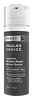
This anti-aging serum is formulated around Retinol and Tetrahexyldecyl Ascorbate to soften the look of wrinkles and refine skin texture.
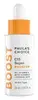
This brightening serum is formulated around Ascorbic Acid and Ferulic Acid to brighten dull-looking skin and soften the look of wrinkles.

What's inside
What's inside
 Key Ingredients
Benefits
Concerns
Ingredients Side-by-side
Cyclopentasiloxane
Emollient
Dimethiconol
Emollient
Neopentyl Glycol Diheptanoate
EmollientDicaprylyl Carbonate
EmollientCaprylic/Capric Triglyceride
Masking


Phenyl Trimethicone
Skin Conditioning
Squalane
Emollient
Bisabolol
Antioxidant



Tetrahexyldecyl Ascorbate
Antioxidant



Retinol
Skin Conditioning





Tocotrienols
Skin Conditioning
Tocopherol
Antioxidant
Lecithin
Emollient
Laminaria Ochroleuca Extract
Skin Conditioning
Avena Sativa Kernel Extract
Abrasive
Elaeis Guineensis Oil
Emollient



Stearyl Glycyrrhetinate
Skin ConditioningHexylene Glycol
EmulsifyingCaprylyl Glycol
Emollient
Ethylhexylglycerin
Skin ConditioningPhenoxyethanol
Preservative
Cyclopentasiloxane, Dimethiconol, Neopentyl Glycol Diheptanoate, Dicaprylyl Carbonate, Caprylic/Capric Triglyceride, Phenyl Trimethicone, Squalane, Bisabolol, Tetrahexyldecyl Ascorbate, Retinol, Tocotrienols, Tocopherol, Lecithin, Laminaria Ochroleuca Extract, Avena Sativa Kernel Extract, Elaeis Guineensis Oil, Stearyl Glycyrrhetinate, Hexylene Glycol, Caprylyl Glycol, Ethylhexylglycerin, Phenoxyethanol
Water
Skin ConditioningAscorbic Acid
Antioxidant
Dipropylene Glycol
HumectantPropanediol
Solvent
Glycerin
Humectant
Ethoxydiglycol
HumectantSodium Hydroxide
BufferingPPG-26-Buteth-26
Skin ConditioningPEG-40 Hydrogenated Castor Oil
Emulsifying
Bisabolol
Antioxidant
Ferulic Acid
Antimicrobial
Sodium Phytate
ChelatingDecylene Glycol
Skin ConditioningTocopherol
Antioxidant
1,2-Hexanediol
Skin Conditioning
Sphingomonas Ferment Extract
Skin Conditioning
Phenoxyethanol
Preservative
Reviews
Ingredients Explained
These ingredients are found in both products.
Ingredients higher up in an ingredient list are typically present in a larger amount.
Bisabolol is a gentle skin conditioner, antioxidant, and soothing ingredient.
It's primary claim to fame is soothing and research shows topically applied bisabolol can quiet the chemical messengers that cause your skin to become inflamed, helping to sooth any irritation.
A clinical study found that applying 0.5% bisabolol daily for 8 weeks produced an average 9% decrease in skin pigmentation. Researchers found it can also suppress the process that leads to excess melanin production in skin.
In vitro studies found that bisabolol combined with propylene glycol significantly increased skin permeability by increasing lipid fluidity in the stratum corneum.
You'll likely see use concentrations quite low, usually 0.1-0.2%.
Overall, this is a well-tolerated ingredient that works well in formulas designed for sensitive, reactive, or post-procedure skin.
Learn more about BisabololPhenoxyethanol is one of the most widely used preservatives in skincare (and for good reason!).
It has a large spectrum of antimicrobial activity and especially effective bacteria, yeast, and mold while only having a weak effect on your skin's natural microbiome.
On a cellular level, it disrupts the cell membranes of microbes by poking holes that make the cell leak. This shuts down the chemical reactions the microbe needs to make energy so it can no longer survive.
Another perk of this ingredient is that it stays functional across a wide pH range (3-10).
You'll often see it paired with boosters like Ethylhexylglycerin; one study showed that a 1:9 ratio of Ethylhexylglycerin to Phenoxyethanol damages bacterial membranes as effectively as doubling the Phenoxyethanol concentration on its own.
Typical use concentrations range from 0.3-1% depending on the formula, and this ingredient is capped at 1% int the EU.
Safety-wise, the fear mongering does not hold up to the evidence. The EU's Scientific Committee on Consumer Safety and FDA consider it safe as a preservative at up to 1%, including for children of all ages.
Adverse systemic effects only showed up in animal studies at exposures roughly 200x higher than what people get from cosmetics. And despite its very widespread use, this ingredient is a rare sensitizer and allergic reactions are uncommon.
Learn more about PhenoxyethanolTocopherol is a fat-soluble antioxidant known as Vitamin E.
You'll find this ingredient in the vast majority of skincare (for good reason). It works to neutralize free radicals, or unstable molecules generated by UV exposure, pollution, and other environmental stressors, before they can cause oxidative damage to your skin cells.
Topically applied tocopherol has been shown to protect against UV damage by ramping up the skin's own natural defense enzymes.
It also acts as a skin conditioning agent; some studies show that regular topical use can improve the skin's water-binding capacity over 2-4 weeks.
This ingredient is especially loved for being a team player. When combined with Vitamin C, the photoprotective effect of both ingredients roughly doubles and the combo also helps reduce UV-induced DNA damage.
This ingredient has some brightening potential but it's more of a prevention ingredient than spot-fader. Cell studies show it can slow down melanin production but it's worth noting that it's not the most powerful brightener out there.
In formulations, it also serves as a stabilizer that helps protect other oxidation-prone ingredients from degrading.
Concentrations usually range from 0.1-1% in most leave-on products.
Learn more about Tocopherol

