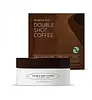
This anti-aging eye mask is formulated around Caffeine and Coffea Arabica Seed Extract to soften the look of wrinkles.
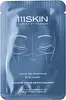
This calming eye mask is formulated around Ubiquinone and Corallina Officinalis Extract to calm redness and soften the look of wrinkles.


What's inside
What's inside
 Key Ingredients
Benefits
Concerns
Ingredients Side-by-side
Water
Skin ConditioningGlycerin
Humectant


Dipropylene Glycol
HumectantChondrus Crispus Powder
Abrasive


Benzyl Glycol
SolventCeratonia Siliqua Gum
EmollientXanthan Gum
EmulsifyingPEG-60 Hydrogenated Castor Oil
Emulsifying


Allantoin
Skin Conditioning

Ethylhexylglycerin
Skin ConditioningCaffeine
Skin Conditioning
CI 77499
Cosmetic ColorantTocopheryl Acetate
Antioxidant


Dipotassium Glycyrrhizate
Humectant
Raspberry Ketone
Masking

Disodium EDTA
ChelatingSynthetic Fluorphlogopite
Calcium Lactate
AstringentParfum
Masking
CI 77491
Cosmetic Colorant1,2-Hexanediol
Skin Conditioning
Butylene Glycol
Humectant
CI 77891
Cosmetic ColorantCoffea Arabica Seed Extract
Masking
Sodium Hyaluronate
Humectant
Cucurbita Pepo Fruit Extract
Skin Conditioning
Diamond Powder
Abrasive
Polyglyceryl-10 Laurate
Skin Conditioning
Palmitoyl Tripeptide-1
Skin Conditioning

Palmitoyl Pentapeptide-4
Skin Conditioning
Hexapeptide-9
Skin Conditioning
Acetyl Hexapeptide-8
Humectant
Tripeptide-1
Skin Conditioning
Copper Tripeptide-1
Skin Conditioning
Water, Glycerin, Dipropylene Glycol, Chondrus Crispus Powder, Benzyl Glycol, Ceratonia Siliqua Gum, Xanthan Gum, PEG-60 Hydrogenated Castor Oil, Allantoin, Ethylhexylglycerin, Caffeine, CI 77499, Tocopheryl Acetate, Dipotassium Glycyrrhizate, Raspberry Ketone, Disodium EDTA, Synthetic Fluorphlogopite, Calcium Lactate, Parfum, CI 77491, 1,2-Hexanediol, Butylene Glycol, CI 77891, Coffea Arabica Seed Extract, Sodium Hyaluronate, Cucurbita Pepo Fruit Extract, Diamond Powder, Polyglyceryl-10 Laurate, Palmitoyl Tripeptide-1, Palmitoyl Pentapeptide-4, Hexapeptide-9, Acetyl Hexapeptide-8, Tripeptide-1, Copper Tripeptide-1
Water
Skin ConditioningGlycerin
Humectant
Dipropylene Glycol
HumectantBenzyl Glycol
SolventChondrus Crispus Powder
Abrasive
Ceratonia Siliqua Gum
EmollientXanthan Gum
EmulsifyingAllantoin
Skin Conditioning
PEG-60 Hydrogenated Castor Oil
Emulsifying
Ethylhexylglycerin
Skin ConditioningCyamopsis Tetragonoloba Gum
Emulsion StabilisingAgar
MaskingSynthetic Fluorphlogopite
Raspberry Ketone
Masking
Calcium Lactate
AstringentPotassium Chloride
Glucose
Humectant
Disodium EDTA
ChelatingTocopheryl Acetate
Antioxidant
Mica
Cosmetic ColorantCaprylic/Capric Triglyceride
Masking
Butylene Glycol
Humectant
Titanium/Titanium Dioxide
Cosmetic ColorantUbiquinone
Antioxidant
Hydrogenated Lecithin
Emulsifying
Undaria Pinnatifida Extract
Skin ConditioningTin Oxide
Abrasive
Hydrolyzed Collagen
Emollient
Phenoxyethanol
Preservative
1,2-Hexanediol
Skin Conditioning
Corallina Officinalis Extract
Skin Conditioning
Sodium Benzoate
Masking
Potassium Sorbate
Preservative
Acetyl Tetrapeptide-5
Humectant
CI 77891
Cosmetic ColorantCI 77007
Cosmetic ColorantWater, Glycerin, Dipropylene Glycol, Benzyl Glycol, Chondrus Crispus Powder, Ceratonia Siliqua Gum, Xanthan Gum, Allantoin, PEG-60 Hydrogenated Castor Oil, Ethylhexylglycerin, Cyamopsis Tetragonoloba Gum, Agar, Synthetic Fluorphlogopite, Raspberry Ketone, Calcium Lactate, Potassium Chloride, Glucose, Disodium EDTA, Tocopheryl Acetate, Mica, Caprylic/Capric Triglyceride, Butylene Glycol, Titanium/Titanium Dioxide, Ubiquinone, Hydrogenated Lecithin, Undaria Pinnatifida Extract, Tin Oxide, Hydrolyzed Collagen, Phenoxyethanol, 1,2-Hexanediol, Corallina Officinalis Extract, Sodium Benzoate, Potassium Sorbate, Acetyl Tetrapeptide-5, CI 77891, CI 77007
Ingredients Explained
These ingredients are found in both products.
Ingredients higher up in an ingredient list are typically present in a larger amount.
1,2-Hexanediol is a synthetic liquid and another multi-functional powerhouse.
It is a:
- Humectant, drawing moisture into the skin
- Emollient, helping to soften skin
- Solvent, dispersing and stabilizing formulas
- Preservative booster, enhancing the antimicrobial activity of other preservatives
Allantoin is a soothing ingredient known for its protective and moisturizing properties; it's basically a quiet workhorse ingredient you can find in a huge range of cosmetics.
Though it can be derived from the comfrey plant, allantoin is produced synthetically for cosmetic products to ensure purity.
Research shows it can encourage your skin cells to turn over and renew by stimulating keratinocyte and fibroblast proliferation.
It also has mild keratolytic properties to help loosen and shed dead skin cells without being harsh.
Studies also suggest allantoin can help calm inflammation by dialing down some of the chemical signals your skin sends out when it is irritated.
This ingredient is typically used in the 0.1-0.5% range, and the FDA recognizes it as a skin protectant in OTC products up to 2%.
Overall, allantoin is a wonderful addition to most routines; it is stable across a wide pH range (~4-8), works well with other ingredients, and is considered non-sensitizing/non-irritating.
Fun fact: Allantoin is naturally occurring in comfrey root, beets, chamomile, and wheat sprouts. Our bodies even produce it as a byproduct of uric acid metabolism.
Learn more about AllantoinWe don't have a description for Benzyl Glycol yet.
Butylene Glycol (or BG) is used within cosmetic products for a few different reasons:
Overall, Butylene Glycol is a safe and well-rounded ingredient that works well with other ingredients.
Though this ingredient works well with most skin types, some people with sensitive skin may experience a reaction such as allergic rashes, closed comedones, or itchiness.
Learn more about Butylene GlycolCalcium Lactate is created by combining lactic acid with calcium carbonate or calcium hydroxide.
Ceratonia Siliqua Gum is extracted from the seeds of the carob tree. You might know this ingredient as Carob Gum or Locust Bean Gum. It is used to stabilize other ingredients and improve the texture of products.
Carob gum is made up of long-chain polysaccharides. This makes it a natural thickener.
Yes! This ingredient comes from the seeds of a tree. The name 'Locust Bean Gum' can be misleading.
Learn more about Ceratonia Siliqua GumChondrus Crispus Powder is just Irish moss, a red seaweed harvested, dried, and ground into a fine powder. Because it's the whole plant rather than a liquid extract, it has an official INCI job as an "abrasive".
This ingredient also happens to be loaded with carrageenan, a sugar-based polysaccharide, that allows it to double as a thickener and light hydrator.
Real world concentration is low; industry surveys report a maximum of 0.1% across 63 leave-on products.
The Cosmetic Ingredient Review Expert Panel reviewed it in 2021 and concluded it's safe at current use levels and every human sensitization study on it came back negative.
Allergy risk is very low with no documented pattern of reactions but anyone with a known seaweed or iodine sensitivity may want to patch test since dried Chondrus crispus does carry a small amount of natural iodine.
Learn more about Chondrus Crispus PowderCi 77891 is a white pigment from Titanium dioxide. It is naturally found in minerals such as rutile and ilmenite.
It's main function is to add a white color to cosmetics. It can also be mixed with other colors to create different shades.
Ci 77891 is commonly found in sunscreens due to its ability to block UV rays.
Learn more about CI 77891Dipropylene Glycol is a synthetically created humectant, stabilizer, and solvent.
This ingredient helps:
Dipropylene glycol is technically an alcohol, but it belongs to the glycol family (often considered part of the ‘good’ alcohols). This means it is hydrating and gentle on skin unlike drying solvent alcohols like denatured alcohol.
As a masking agent, Dipropylene Glycol can be used to cover the smell of other ingredients. However, it does not have a scent.
Studies show Dipropylene Glycol is considered safe to use in skincare.
Learn more about Dipropylene GlycolDisodium EDTA is a chelating agent. It grabs onto and deactivates metal ions that sneak into your products from water, packaging, or air.
This ingredient mainly works behind the scenes and helps with:
On top of that, this ingredient can counteract the effects of hard water by binding to the minerals in it.
One thing worth knowing is that Disodium EDTA has been shown to be a mild penetration enhancer. It can help other ingredients absorb into skin more effectively which can be a double-edged sword (great for actives, but can also make the active too strong if you have sensitive skin).
Clinical patch testing showed no significant skin irritation at typical use concentrations and minimal dermal absorption.
You'll most likely see this ingredient near the end of an ingredient list. It's typically found in concentrations less than 1%.
Learn more about Disodium EDTAEthylhexylglycerin is created from glycerin. It is a multitasker ingredient that:
The CIR Expert Panel found minimal skin absorption or sensitization of any kind in a safety assessment. Though this ingredient is considered well-tolerated, a small number of cases of allergic dermatitis have been published since 2002. Just be sure to patch test if you are unsure.
Industry-reported use ranges from 8% in rinse-off products and 2% in leave-on formulations.
Learn more about EthylhexylglycerinGlycerin (or glycerol) is a compound naturally found in your skin. It's a powerhouse humectant that pulls water into the stratum corneum.
Topically, glycerin does several things at once:
Your skin makes glycerin on its own (mostly from sebaceous oil breakdown) and shuttles it to your outermost layer of skin, or your epidermis, via aquaporin-3.
Aquaporin-3 is a transporter that is essential for normal skin hydration, elasticity, and repair. Interestingly, mice lacking in AQP3 have dry and less elastic skin that can be fully corrected with glycerin.
This ingredient is non-irritating, plays well with almost every ingredient, and works across all skin types. Typical use is anywhere between 3-10% but can go up to 79% in some leave-on products.
Just know very high concentrations (>40%) can feel tacky in low humidity.
Glycerin is the name for this ingredient in American English. British English uses Glycerol/Glycerine.
Learn more about GlycerinPeg-60 Hydrogenated Castor Oil comes from hydrogenated castor oil. It is a solubilizer and emulsifier.
As a solubilizer, it helps dissolve ingredients into a water-based version. It is also an emulsifer. Emulsifier help prevent oils and water from separating. Both these properties help create evenly-spread and uniform products.
Basically, Peg-60 Hydrogenated Castor Oil helps hold ingredients together.
Learn more about PEG-60 Hydrogenated Castor OilRaspberry Ketone is a fragrance.
Synthetic Fluorphlogopite is the synthethic version of mica. It consists of fluorine, aluminum and silicate.
Synthetic Fluorphlogopite is used to add volume to products.
It is considered non-irritating on the skin.
Learn more about Synthetic FluorphlogopiteTocopheryl Acetate is a stable, shelf-friendly form of vitamin E.
Formulators love it because plain vitamin E oxidizes quickly once it hits air. This acetate version stays stable and resists going off, helping to extend a product's shelf life.
It's actually inactive on its own and works like a slow-release "storage" form; the enzymes in your skin called esterases gradually convert it into active vitamin E over time.
One in vivo study showed 5% of the acetate in the living layer of the epidermis converted to vitamin E after 5 days of application. This study also found the skin gained protection against UV damage even though the conversion was slow and small.
Once converted, vitamin E acts as a skin's main fat-soluble antioxidant that fights free radicals to protect skin from damage.
Topical vitamin E generally boosts the skin's photoprotection, and it reduced UV-damage in animal models.
This ingredient has some brightening potential but it's more of a prevention ingredient than spot-fader. Cell studies show it can slow down melanin production but it's worth noting that it's not the most powerful brightener out there.
Overall, it has a pretty solid safety profile and has been found to be non-irritating and non-comedogenic. Allergic reactions may happen but stay rare due to how widely the ingredient gets used.
The concentration will vary depending on the formula; industry data shows 0.1% in baby lotions, 3% in lipsticks, and 5% in foot powders. You can also find this ingredient at 100% in a pure vitamin E oil.
Most leave-on skincare keeps it at the lower end, often between 0.5-1%.
Learn more about Tocopheryl AcetateWater. It's the most common cosmetic ingredient of all. You'll usually see it at the top of ingredient lists, meaning that it makes up the largest part of the product.
So why is it so popular? Water most often acts as a solvent - this means that it helps dissolve other ingredients into the formulation.
You'll also recognize water as that liquid we all need to stay alive. If you see this, drink a glass of water. Remember to stay hydrated!
Learn more about WaterXanthan gum is used as a stabilizer and thickener within cosmetic products. It helps give products a sticky, thick feeling - preventing them from being too runny.
On the technical side of things, xanthan gum is a polysaccharide - a combination consisting of multiple sugar molecules bonded together.
Xanthan gum is a pretty common and great ingredient. It is a natural, non-toxic, non-irritating ingredient that is also commonly used in food products.
Learn more about Xanthan Gum

