
What's inside
What's inside
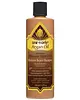 Benefits
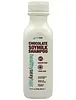
Concerns
Ingredients Side-by-side
Water
Skin ConditioningDisodium Laureth Sulfosuccinate
CleansingSodium Cocoyl Isethionate
Cleansing
PEG-150 Distearate
Emulsifying

Cocamidopropyl Betaine
Cleansing

Sodium Lauroyl Sarcosinate
CleansingArgania Spinosa Kernel Oil
Emollient





Parfum
Masking

Sodium Cocoyl Sarcosinate
Cleansing
PPG-2 Hydroxyethyl Cocamide
Emulsifying
Panthenol
Skin Conditioning

Panthenyl Hydroxypropyl Steardimonium Chloride
Polyquaternium-10
Hydrolyzed Keratin
Humectant
Sodium Chloride
MaskingGlycol Distearate
Emollient
Steareth-4
EmulsifyingTetrasodium EDTA
ChelatingMethylchloroisothiazolinone
Preservative
Methylisothiazolinone
Preservative
CI 17200
Cosmetic ColorantCI 19140
Cosmetic ColorantWater, Disodium Laureth Sulfosuccinate, Sodium Cocoyl Isethionate, PEG-150 Distearate, Cocamidopropyl Betaine, Sodium Lauroyl Sarcosinate, Argania Spinosa Kernel Oil, Parfum, Sodium Cocoyl Sarcosinate, PPG-2 Hydroxyethyl Cocamide, Panthenol, Panthenyl Hydroxypropyl Steardimonium Chloride, Polyquaternium-10, Hydrolyzed Keratin, Sodium Chloride, Glycol Distearate, Steareth-4, Tetrasodium EDTA, Methylchloroisothiazolinone, Methylisothiazolinone, CI 17200, CI 19140
Water
Skin ConditioningCocamidopropyl Betaine
Cleansing
Disodium Laureth Sulfosuccinate
CleansingSodium Lauroyl Sarcosinate
CleansingPolyquaternium-44
Cocamide Mea
Emulsifying
PEG-12
HumectantMethyl Glucose Dioleate
Emollient
Soy Amino Acids
Skin ConditioningHydrolyzed Soy Protein
Humectant
Persea Gratissima Oil Unsaponifiables
Skin Conditioning
Chamomilla Recutita Flower Extract
Masking
Simmondsia Chinensis Seed Oil
Emollient
Polyquaternium-7
Disodium Cocoamphodiacetate
CleansingParfum
Masking
Acrylates/Vinyl Neodecanoate Crosspolymer
Emulsion StabilisingGlycol Distearate
Emollient
Lauryl Glucoside
CleansingPentylene Glycol
Skin Conditioning
Polyquaternium-11
Citric Acid
Buffering

Polyquaternium-10
Tetrasodium EDTA
ChelatingMethylparaben
Preservative

Methylchloroisothiazolinone
Preservative
Methylisothiazolinone
Preservative
Water, Cocamidopropyl Betaine, Disodium Laureth Sulfosuccinate, Sodium Lauroyl Sarcosinate, Polyquaternium-44, Cocamide Mea, PEG-12, Methyl Glucose Dioleate, Soy Amino Acids, Hydrolyzed Soy Protein, Persea Gratissima Oil Unsaponifiables, Chamomilla Recutita Flower Extract, Simmondsia Chinensis Seed Oil, Polyquaternium-7, Disodium Cocoamphodiacetate, Parfum, Acrylates/Vinyl Neodecanoate Crosspolymer, Glycol Distearate, Lauryl Glucoside, Pentylene Glycol, Polyquaternium-11, Citric Acid, Polyquaternium-10, Tetrasodium EDTA, Methylparaben, Methylchloroisothiazolinone, Methylisothiazolinone
Ingredients Explained
These ingredients are found in both products.
Ingredients higher up in an ingredient list are typically present in a larger amount.
Cocamidopropyl Betaine is a fatty acid created by mixing similar compounds in coconut oil and dimethylaminopropylamine, a compound with two amino groups.
This ingredient is a surfactant and cleanser. It helps gather the dirt, pollutants, and other impurities in your skin to be washed away. It also helps thicken a product and make the texture more creamy.
Being created from coconut oil means Cocamidopropyl Betaine is hydrating for the skin.
While Cocamidopropyl Betaine was believed to be an allergen, a study from 2012 disproved this. It found two compounds in unpure Cocamidopropyl Betaine to be the irritants: aminoamide and 3-dimethylaminopropylamine. High-grade and pure Cocamidopropyl Betaine did not induce allergic reactions during this study.
Learn more about Cocamidopropyl BetaineThis ingredient is a cleansing agent, surfactant, and foam booster. It considered an alternative to traditional sulfates (Sulfosuccinate) and is allowed in "sulfate-free" products.
According to a manufacturer, this ingredient is mild and can be used in baby and bath options.
Glycol Distearate is an emulsifier and emollient that adds a "pearly" appearance to formulations.
That lustrous look you see in many shampoos is due to this ingredient: when cooled, it crystallizes into small platelets that reflect light to give products that rich, shimmering look.
This ingredient is considered safe at present practices of use and concentration and repeated insult patch test with 50% Glycol Distearate on 125 subjects found no evidence of skin irritation, hypersensitivity, or acute toxicity.
Typical use concentrations range from 0.1-10%.
Because it's an ester of stearic acid, it falls into the range that Malassezia likes to metabolize. This ingredient may not be fungal acne safe.
Learn more about Glycol DistearateMethylchloroisothiazolinone, or MCI, is a synthetic preservative used to protect against the growth of bacteria, yeasts, and fungi in water-based products.
MCI is commonly combined with methylisothiazolinone (MI) in a 3:1 ratio.
This ingredient is safe in cosmetics when formulated to be non-sensitizing and concentrations must not exceed 7.5 ppm in leave-on products / 15 ppm in rinse-off products.
Unfortunately, this ingredient has a well-documented sensitization story. Studies spanning several decades have shown this ingredient + MI to cause skin irritation and allergies.
The use of this ingredient varies around the world:
This just means this ingredient is most likely non-sensitizing in rinse-off products unless you've been diagnosed with a contact allergy to isothiazolinones.
Learn more about MethylchloroisothiazolinoneMI is a preservative and known skin irritant. In the past, MI was used for its ability to prevent bacteria, yeast, and fungi growth in low doses.
Nowadays, you'll most likely see MI combined with Methylchloroisothiazolinone (MCI).
Since then, numerous studies have shown this ingredient to cause contact dermatitis, or skin irritation.
The use of this ingredient varies around the world:
Learn more about MethylisothiazolinoneParfum is a catch-all term for an ingredient or more that is used to give a scent to products.
Also called "fragrance", this ingredient can be a blend of hundreds of chemicals or plant oils. This means every product with "fragrance" or "parfum" in the ingredients list is a different mixture.
For instance, Habanolide is a proprietary trade name for a specific aroma chemical. When used as a fragrance ingredient in cosmetics, most aroma chemicals fall under the broad labeling category of “FRAGRANCE” or “PARFUM” according to EU and US regulations.
The term 'parfum' or 'fragrance' is not regulated in many countries. In many cases, it is up to the brand to define this term.
For instance, many brands choose to label themselves as "fragrance-free" because they are not using synthetic fragrances. However, their products may still contain ingredients such as essential oils that are considered a fragrance by INCI standards.
One example is Calendula flower extract. Calendula is an essential oil that still imparts a scent or 'fragrance'.
Depending on the blend, the ingredients in the mixture can cause allergies and sensitivities on the skin. Some ingredients that are known EU allergens include linalool and citronellol.
Parfum can also be used to mask or cover an unpleasant scent.
The bottom line is: not all fragrances/parfum/ingredients are created equally. If you are worried about fragrances, we recommend taking a closer look at an ingredient. And of course, we always recommend speaking with a professional.
Learn more about ParfumPolyquaternium-10 is an ammonium salt of hydroxyethylcellulose. It is a white and granular powder used as a film-former and anti-static agent.
This ingredient is commonly found in hair conditioning products. According to a manufacturer, its positive charge makes it great for absorbing hair proteins. The manufacturer also states this ingredient helps with curl retention.
For haircare friends: this ingredient is not a silicone.
Learn more about Polyquaternium-10Sodium Lauroyl Sarcosinate is a cleansing agent and emulsifier. It is a surfactant derived from sarcosine, and a common source is coconut oil.
As a surfactant, Sodium Lauroyl Sarcosinate helps lift dirts, oil, and other molecules to be washed away. In leave-on products, this ingredient is used as an emulsifier. Emulsifier help prevent ingredients such as oils and waters from separating.
Sodium Lauroyl Sarcosinate is also commonly found as a foaming agent in shampoo, toothpaste, and shaving foam. It is amphiphilic, meaning it loves both water and fats.
Learn more about Sodium Lauroyl SarcosinateTetrasodium EDTA is the salt formed from neutralizing ethylenediamine tetraacetic acid with sodium hydroxide. It is a chelating agent and used to prevent metal ions from binding to other ingredients. This helps keep the product and ingredients stable.
Tetrasodium EDTA comes as a white solid and is soluble in water.
Water. It's the most common cosmetic ingredient of all. You'll usually see it at the top of ingredient lists, meaning that it makes up the largest part of the product.
So why is it so popular? Water most often acts as a solvent - this means that it helps dissolve other ingredients into the formulation.
You'll also recognize water as that liquid we all need to stay alive. If you see this, drink a glass of water. Remember to stay hydrated!
Learn more about Water

