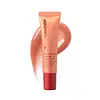
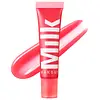
Olehenriksen Pout Preserve Peptide Lip Treatment Glimmer Versus Milk Makeup Balmade Electrolyte Tinted Lip Balm
This anti-aging lip moisturizer is formulated around Bis-Diglyceryl Polyacyladipate-2 and Palmitoyl Hexapeptide-12 to soften the look of wrinkles and hydrate lips.
This lip moisturizer is formulated around Zinc Gluconate and Copper Gluconate to fight breakouts and support scar healing.


What's inside
What's inside
 Key Ingredients
Benefits
Concerns
Ingredients Side-by-side
Polybutene
Hydrogenated Polydecene
EmollientBis-Diglyceryl Polyacyladipate-2
Emollient


Hydrogenated Styrene/Isoprene Copolymer
Cera Microcristallina
Emulsion StabilisingSilica
Abrasive


Rubus Chamaemorus Seed Oil
Skin Conditioning
Garcinia Indica Seed Butter
Skin Conditioning
Euterpe Oleracea Sterols
Skin ConditioningPalmitoyl Hexapeptide-12
Skin Conditioning

Palmitoyl Tripeptide-1
Skin Conditioning

Tocopheryl Acetate
Antioxidant


Tocopherol
Antioxidant


Irvingia Gabonensis Kernel Butter
Skin Conditioning
Citrus Aurantium Dulcis Fruit Extract
MaskingLinoleic Acid
Cleansing
Linolenic Acid
Cleansing

Oleic Acid
Emollient


Lactic Acid
Buffering

Helianthus Annuus Seed Oil
Emollient
Caprylic/Capric Triglyceride
Masking
Copernicia Cerifera Wax
Hydrogenated Coco-Glycerides
Emollient
Sorbitan Isostearate
Emulsifying
Pentaerythrityl Tetraisostearate
Emollient
Pentaerythrityl Tetra-Di-T-Butyl Hydroxyhydrocinnamate
Antioxidant
Octyldodecanol
Emollient
Ethylhexyl Palmitate
Emollient
Dicalcium Phosphate
Abrasive
Tribehenin
Emollient
Propylene Carbonate
SolventStearalkonium Hectorite
Gel FormingParfum
Masking
Citral
Perfuming
Limonene
Perfuming
Linalool
Perfuming
Iron Oxides
CI 77891
Cosmetic ColorantPolybutene, Hydrogenated Polydecene, Bis-Diglyceryl Polyacyladipate-2, Hydrogenated Styrene/Isoprene Copolymer, Cera Microcristallina, Silica, Rubus Chamaemorus Seed Oil, Garcinia Indica Seed Butter, Euterpe Oleracea Sterols, Palmitoyl Hexapeptide-12, Palmitoyl Tripeptide-1, Tocopheryl Acetate, Tocopherol, Irvingia Gabonensis Kernel Butter, Citrus Aurantium Dulcis Fruit Extract, Linoleic Acid, Linolenic Acid, Oleic Acid, Lactic Acid, Helianthus Annuus Seed Oil, Caprylic/Capric Triglyceride, Copernicia Cerifera Wax, Hydrogenated Coco-Glycerides, Sorbitan Isostearate, Pentaerythrityl Tetraisostearate, Pentaerythrityl Tetra-Di-T-Butyl Hydroxyhydrocinnamate, Octyldodecanol, Ethylhexyl Palmitate, Dicalcium Phosphate, Tribehenin, Propylene Carbonate, Stearalkonium Hectorite, Parfum, Citral, Limonene, Linalool, Iron Oxides, CI 77891
Polybutene
Silica Dimethyl Silylate
EmollientMagnesium Aspartate
Skin ConditioningZinc Gluconate
Skin Conditioning

Copper Gluconate
Skin Conditioning
Musa Paradisiaca Fruit Juice
Skin ConditioningAloe Barbadensis Leaf Extract
Emollient
Cocos Nucifera Fruit Extract
Emollient
Helianthus Annuus Seed Oil
Emollient
Tocopherol
Antioxidant
Glycerin
Humectant
Sodium Saccharin
MaskingWater
Skin ConditioningLactic Acid
Buffering
Potassium Sorbate
Preservative
Sodium Benzoate
Masking
Phenoxyethanol
Preservative
Aroma
Rose Ketone-4
Perfuming
Vanillin
Masking
CI 77891
Cosmetic ColorantCI 15850
Cosmetic ColorantPolybutene, Silica Dimethyl Silylate, Magnesium Aspartate, Zinc Gluconate, Copper Gluconate, Musa Paradisiaca Fruit Juice, Aloe Barbadensis Leaf Extract, Cocos Nucifera Fruit Extract, Helianthus Annuus Seed Oil, Tocopherol, Glycerin, Sodium Saccharin, Water, Lactic Acid, Potassium Sorbate, Sodium Benzoate, Phenoxyethanol, Aroma, Rose Ketone-4, Vanillin, CI 77891, CI 15850
Reviews
Alternatives
Ingredients Explained
These ingredients are found in both products.
Ingredients higher up in an ingredient list are typically present in a larger amount.
Ci 77891 is a white pigment from Titanium dioxide. It is naturally found in minerals such as rutile and ilmenite.
It's main function is to add a white color to cosmetics. It can also be mixed with other colors to create different shades.
Ci 77891 is commonly found in sunscreens due to its ability to block UV rays.
Learn more about CI 77891Helianthus Annuus Seed Oil is a plant oil derived from the seeds of a sunflower.
It is rich in fatty acids, primarily linoleic acid and oleic acid. This gives it emollient and skin conditioning properties.
The reason this ingredient is so effective is because it forms a thin film on the skin that reduces transepidermal water loss (TEWL) while supplying linoleic acid to the stratum corneum to improve barrier strength.
The high linoleic acid content is particularly noteworthy for acne-prone skin.
Research suggests that acne-prone skin tends to be deficient in linoleic acid in sebum. Topical application may help replenish this to support a healthier follicular environment and less comedone-promoting sebum.
One randomized study found sunflower seed oil preserved skin barrier integrity in adult volunteers with and without atopic dermatitis (outperforming olive oil).
This ingredient is well-studied, gentle, and an effective emollient suitable for most skin types.
On fungal acne: This ingredient may not be Fungal acne (Malassezia folliculitis) safe. This is because it contains fatty acids with carbon chain lengths in the C11-C24 range.
Learn more about Helianthus Annuus Seed OilLactic Acid is another well-loved alpha hydroxy acid (AHA). It is gentler than glycolic acid but still highly effective.
Its main role is to exfoliate the surface of the skin by loosening the “glue” that holds dead skin cells together. Shedding those old cells leads to smoother, softer, and more even-toned skin.
Because lactic acid molecules are larger than glycolic acid, they don’t penetrate as deeply. This means they’re less likely to sting or irritate, making it a great choice for beginners or those with sensitive skin.
Like glycolic acid, it can:
Lactic acid also acts as a humectant (like hyaluronic acid). It can draw water into the skin to improve hydration and also plays a role in the skin's natural moisturizing factor (NMF) in the form of sodium lactate.
Studies show it can boost ceramide production to strengthen the skin barrier and even help balance the skin’s microbiome.
To get results, choose products with a pH between 3-4.
Lower strengths (5-12%) focus on surface exfoliation; higher strengths (12% and up) can reach deeper in the dermis (deeper, supportive layer) to improve skin texture and firmness over time.
Though it was originally derived from milk, most modern lactic acid used in skincare is vegan. It is made through non-dairy fermentation to create a bio-identical and stable form suitable for all formulations.
When lactic acid shows up near the end of an ingredient list, it usually means the brand added just a tiny amount to adjust the product’s pH.
Legend has it that Cleopatra used to bathe in sour milk to help reduce wrinkles.
Lactic acid is truly a gentle multitasker: it exfoliates, hydrates, strengthens, and brightens. It's a great ingredient for giving your skin a smooth, glowing, and healthy look without the harshness of stronger acids.
Read more about some other popular AHA's here:
Learn more about Lactic AcidPolybutene is used to help control the viscosity of a product. This just means it helps adjusts the texture.
It is a polymer and does not get absorbed into the skin due to its large size.
Studies found this ingredient did not irritate skin in concentrations below 15%.
Learn more about PolybuteneTocopherol is a fat-soluble antioxidant known as Vitamin E.
You'll find this ingredient in the vast majority of skincare (for good reason). It works to neutralize free radicals, or unstable molecules generated by UV exposure, pollution, and other environmental stressors, before they can cause oxidative damage to your skin cells.
Topically applied tocopherol has been shown to protect against UV damage by ramping up the skin's own natural defense enzymes.
It also acts as a skin conditioning agent; some studies show that regular topical use can improve the skin's water-binding capacity over 2-4 weeks.
This ingredient is especially loved for being a team player. When combined with Vitamin C, the photoprotective effect of both ingredients roughly doubles and the combo also helps reduce UV-induced DNA damage.
This ingredient has some brightening potential but it's more of a prevention ingredient than spot-fader. Cell studies show it can slow down melanin production but it's worth noting that it's not the most powerful brightener out there.
In formulations, it also serves as a stabilizer that helps protect other oxidation-prone ingredients from degrading.
Concentrations usually range from 0.1-1% in most leave-on products.
Learn more about Tocopherol


