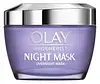
This anti-aging night moisturizer is formulated around Niacinamide and Palmitoyl Pentapeptide-4 to soften the look of wrinkles and refine skin texture.
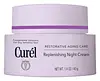
This barrier-repair night moisturizer is formulated around Squalane and Zingiber Officinale Root Extract to strengthen the skin barrier and soften the look of wrinkles.


What's inside
What's inside
 Key Ingredients
Benefits
Concerns
Ingredients Side-by-side
Water
Skin ConditioningDimethicone
Emollient

Glycerin
Humectant

Niacinamide
Smoothing









PEG-Crosspolymer
Polymethylsilsesquioxane
Polyacrylamide
Polyethylene
Abrasive

Panthenol
Skin Conditioning
Palmitoyl Pentapeptide-4
Skin Conditioning
Tocopheryl Acetate
Antioxidant

Camellia Sinensis Extract
Antioxidant
Allantoin
Skin Conditioning
Butylene Glycol
Humectant
Dimethiconol
Emollient
Laureth-4
Emulsifying
Laureth-7
EmulsifyingSodium PEG-7 Olive Oil Carboxylate
Emulsifying
PEG-30 Dipolyhydroxystearate
Emulsifying

Trideceth-6
EmulsifyingDisodium EDTA
ChelatingAcrylates/C10-30 Alkyl Acrylate Crosspolymer
Emulsion StabilisingAminomethyl Propanol
BufferingPEG-100 Stearate
Surfactant
Ammonium Polyacrylate
StabilisingTitanium Dioxide
Cosmetic Colorant

C13-14 Alkane
SolventDMDM Hydantoin
Preservative

Benzyl Alcohol
Perfuming



Iodopropynyl Butylcarbamate
Preservative
Methylparaben
Preservative
Propylparaben
Preservative
Parfum
Masking
Caramel
Cosmetic ColorantWater, Dimethicone, Glycerin, Niacinamide, PEG-Crosspolymer, Polymethylsilsesquioxane, Polyacrylamide, Polyethylene, Panthenol, Palmitoyl Pentapeptide-4, Tocopheryl Acetate, Camellia Sinensis Extract, Allantoin, Butylene Glycol, Dimethiconol, Laureth-4, Laureth-7, Sodium PEG-7 Olive Oil Carboxylate, PEG-30 Dipolyhydroxystearate, Trideceth-6, Disodium EDTA, Acrylates/C10-30 Alkyl Acrylate Crosspolymer, Aminomethyl Propanol, PEG-100 Stearate, Ammonium Polyacrylate, Titanium Dioxide, C13-14 Alkane, DMDM Hydantoin, Benzyl Alcohol, Iodopropynyl Butylcarbamate, Methylparaben, Propylparaben, Parfum, Caramel
Water
Skin ConditioningDimethicone
Emollient
Glycerin
Humectant
Cetyl-Pg Hydroxyethyl Palmitamide
Skin ConditioningSqualane
Emollient
Butylene Glycol
Humectant
Phytosteryl/Isostearyl/Cetyl/Stearyl/Behenyl Dimer Dilinoleate
Skin Conditioning
Polyglyceryl-2 Diisostearate
Emulsifying
Phytosteryl/Octyldodecyl Lauroyl Glutamate
Skin ConditioningPEG-3 Dimethicone
Skin Conditioning
Dimethicone/Vinyl Dimethicone Crosspolymer
Skin Conditioning
Cholesteryl/Octyldodecyl Lauroyl Glutamate
Skin ConditioningMagnesium Sulfate
Allantoin
Skin Conditioning
Dextrin Palmitate
Emulsifying
Isostearyl Glyceryl Ether
Skin ConditioningSuccinic Acid
BufferingPEG-10 Dimethicone
Skin Conditioning
Zingiber Officinale Root Extract
Masking
Sodium Hydroxide
BufferingThujopsis Dolabrata Branch Extract
Skin ConditioningEucalyptus Globulus Leaf Extract
Perfuming
Tocopherol
Antioxidant
Methylparaben
Preservative
Water, Dimethicone, Glycerin, Cetyl-Pg Hydroxyethyl Palmitamide, Squalane, Butylene Glycol, Phytosteryl/Isostearyl/Cetyl/Stearyl/Behenyl Dimer Dilinoleate, Polyglyceryl-2 Diisostearate, Phytosteryl/Octyldodecyl Lauroyl Glutamate, PEG-3 Dimethicone, Dimethicone/Vinyl Dimethicone Crosspolymer, Cholesteryl/Octyldodecyl Lauroyl Glutamate, Magnesium Sulfate, Allantoin, Dextrin Palmitate, Isostearyl Glyceryl Ether, Succinic Acid, PEG-10 Dimethicone, Zingiber Officinale Root Extract, Sodium Hydroxide, Thujopsis Dolabrata Branch Extract, Eucalyptus Globulus Leaf Extract, Tocopherol, Methylparaben
Ingredients Explained
These ingredients are found in both products.
Ingredients higher up in an ingredient list are typically present in a larger amount.
Allantoin is a soothing ingredient known for its protective and moisturizing properties; it's basically a quiet workhorse ingredient you can find in a huge range of cosmetics.
Though it can be derived from the comfrey plant, allantoin is produced synthetically for cosmetic products to ensure purity.
Research shows it can encourage your skin cells to turn over and renew by stimulating keratinocyte and fibroblast proliferation.
It also has mild keratolytic properties to help loosen and shed dead skin cells without being harsh.
Studies also suggest allantoin can help calm inflammation by dialing down some of the chemical signals your skin sends out when it is irritated.
This ingredient is typically used in the 0.1-0.5% range, and the FDA recognizes it as a skin protectant in OTC products up to 2%.
Overall, allantoin is a wonderful addition to most routines; it is stable across a wide pH range (~4-8), works well with other ingredients, and is considered non-sensitizing/non-irritating.
Fun fact: Allantoin is naturally occurring in comfrey root, beets, chamomile, and wheat sprouts. Our bodies even produce it as a byproduct of uric acid metabolism.
Learn more about AllantoinButylene Glycol (or BG) is used within cosmetic products for a few different reasons:
Overall, Butylene Glycol is a safe and well-rounded ingredient that works well with other ingredients.
Though this ingredient works well with most skin types, some people with sensitive skin may experience a reaction such as allergic rashes, closed comedones, or itchiness.
Learn more about Butylene GlycolDimethicone is a type of synthetic silicone created from natural materials such as quartz. It is also known as polydimethylsiloxane.
What it does:
Dimethicone comes in different viscosities:
Depending on the viscosity, dimethicone has different properties.
Ingredients lists don't always show which type is used, so we recommend reaching out to the brand if you have questions about the viscosity.
This ingredient is unlikely to cause irritation because it does not get absorbed into skin. However, people with silicone allergies should be careful about using this ingredient.
Note: Dimethicone may contribute to pilling. This is because it is not oil or water soluble, so pilling may occur when layered with products. When mixed with heavy oils in a formula, the outcome is also quite greasy.
Learn more about DimethiconeGlycerin (or glycerol) is a compound naturally found in your skin. It's a powerhouse humectant that pulls water into the stratum corneum.
Topically, glycerin does several things at once:
Your skin makes glycerin on its own (mostly from sebaceous oil breakdown) and shuttles it to your outermost layer of skin, or your epidermis, via aquaporin-3.
Aquaporin-3 is a transporter that is essential for normal skin hydration, elasticity, and repair. Interestingly, mice lacking in AQP3 have dry and less elastic skin that can be fully corrected with glycerin.
This ingredient is non-irritating, plays well with almost every ingredient, and works across all skin types. Typical use is anywhere between 3-10% but can go up to 79% in some leave-on products.
Just know very high concentrations (>40%) can feel tacky in low humidity.
Glycerin is the name for this ingredient in American English. British English uses Glycerol/Glycerine.
Learn more about GlycerinMethylparaben is a synthetic preservative and one of the most widely used in the world. It has a simple, but important job: prevent your products from going bad by stopping bacteria, yeast, and mold from growing.
Typical use levels are low, often 0.1-0.3%.
This is also one of the most heavily studied preservatives out there and major regulatory bodies have repeatedly given it the green light.
In 2023, the EU's Scientific Committee on Consumer Safety (SCCS) confirmed that this ingredient is safe up to 0.4% on its own, of up to 0.8% when mixed with other paraben esters.
Here's the science behind the noise behind parabens/hormones as well:
Methylparaben shows very weak estrogen-like activity in vitro tests (more than 1,000x weaker than your body's own estradiol). In vivo (live-organism) studies don't support a meaningful endocrine-disrupting effect either.
You get a stronger estrogenic effect from eating tofu, actually.
It's also a low sensitizer and allergic reactions are uncommon; they usually happen on damage or broken skin.
There is a caveat: France has proposed to formally re-examine its endocrine classification in 2025 so the regulatory conversation isn't fully closed as of yet.
But as it stands today, this ingredient is considered safe at permitted levels.
Learn more about MethylparabenWater. It's the most common cosmetic ingredient of all. You'll usually see it at the top of ingredient lists, meaning that it makes up the largest part of the product.
So why is it so popular? Water most often acts as a solvent - this means that it helps dissolve other ingredients into the formulation.
You'll also recognize water as that liquid we all need to stay alive. If you see this, drink a glass of water. Remember to stay hydrated!
Learn more about Water

