

What's inside
What's inside
 Key Ingredients
Benefits
Concerns
Ingredients Side-by-side
Water
Skin ConditioningSodium C14-16 Olefin Sulfonate
Cleansing

Cocamidopropyl Betaine
Cleansing

Decyl Glucoside
Cleansing
Mandelic Acid
Antimicrobial








Pisum Sativum Peptide
Skin Conditioning

Hydrolyzed Rice Protein
Skin ConditioningNiacinamide
Smoothing



Starch Hydroxypropyltrimonium Chloride
Emulsion StabilisingLinoleamidopropyl Pg-Dimonium Chloride Phosphate
Coco-Glucoside
Cleansing
Panthenol
Skin Conditioning
Glyceryl Oleate
Emollient


Sodium Hydrolyzed Potato Starch Dodecenylsuccinate
Foam BoostingSodium Benzoate
Masking
Parfum
Masking
Citric Acid
Buffering
Sodium Hydroxide
BufferingHexylene Glycol
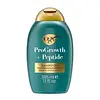
EmulsifyingWater, Sodium C14-16 Olefin Sulfonate, Cocamidopropyl Betaine, Decyl Glucoside, Mandelic Acid, Pisum Sativum Peptide, Hydrolyzed Rice Protein, Niacinamide, Starch Hydroxypropyltrimonium Chloride, Linoleamidopropyl Pg-Dimonium Chloride Phosphate, Coco-Glucoside, Panthenol, Glyceryl Oleate, Sodium Hydrolyzed Potato Starch Dodecenylsuccinate, Sodium Benzoate, Parfum, Citric Acid, Sodium Hydroxide, Hexylene Glycol
Water
Skin ConditioningSodium Lauroyl Methyl Isethionate
CleansingCocamidopropyl Hydroxysultaine
Cleansing
Sodium Methyl Cocoyl Taurate
Cleansing
Decyl Glucoside
Cleansing
Cetearyl Alcohol
Emollient


Glyceryl Caprylate/Caprate
EmollientCetyl Alcohol
Emollient
Cetyl Stearate
Emollient
Charcoal Powder
Abrasive
Betaine
Humectant
Sodium Cocoyl Alaninate
Surfactant
Tetrasodium Glutamate Diacetate
ChelatingHydroxyphenyl Propamidobenzoic Acid
Skin ConditioningSodium Polystyrene Sulfonate
Emulsion StabilisingPEG-5 Ethylhexanoate
EmulsifyingGlyceryl Stearate
Emollient
Isostearyl Isostearate
Emollient
Stearic Acid
Cleansing
Potassium Cetyl Phosphate
EmulsifyingGlycerin
Humectant
Steareth-20
CleansingPEG-75 Stearate
Surfactant
Trideceth-9
EmulsifyingCeteth-20
CleansingAcrylates/C10-30 Alkyl Acrylate Crosspolymer
Emulsion StabilisingParfum
Masking
Sodium Hydroxide
BufferingPropanediol
Solvent
Ethylhexylglycerin
Skin ConditioningHydroxyacetophenone
Antioxidant
Linalool
Perfuming
Hexyl Cinnamal
Perfuming
Citronellol
Perfuming
Limonene
Perfuming
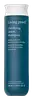
Water, Sodium Lauroyl Methyl Isethionate, Cocamidopropyl Hydroxysultaine, Sodium Methyl Cocoyl Taurate, Decyl Glucoside, Cetearyl Alcohol, Glyceryl Caprylate/Caprate, Cetyl Alcohol, Cetyl Stearate, Charcoal Powder, Betaine, Sodium Cocoyl Alaninate, Tetrasodium Glutamate Diacetate, Hydroxyphenyl Propamidobenzoic Acid, Sodium Polystyrene Sulfonate, PEG-5 Ethylhexanoate, Glyceryl Stearate, Isostearyl Isostearate, Stearic Acid, Potassium Cetyl Phosphate, Glycerin, Steareth-20, PEG-75 Stearate, Trideceth-9, Ceteth-20, Acrylates/C10-30 Alkyl Acrylate Crosspolymer, Parfum, Sodium Hydroxide, Propanediol, Ethylhexylglycerin, Hydroxyacetophenone, Linalool, Hexyl Cinnamal, Citronellol, Limonene
Reviews
Ingredients Explained
These ingredients are found in both products.
Ingredients higher up in an ingredient list are typically present in a larger amount.
Decyl Glucoside is a plant-derived surfactant and emulsion stabilizer. It is created by reacting glucose with the fatty acids from plants.
Like all surfactants, it works by lowering the surface tension between water and oil. This makes it so that dirt, sebum, and makeup can be lifted off your skin and rinsed away. It also produces a dense and creamy foam.
Because it has a neutral charge, it is compatible with a wide range of ingredients and stays stable across a broad pH range/water hardiness conditions.
Patch testing has shown it to have the lowest irritation potential among common cleansing surfactants (like SLS).
Typical use levels range from 5-20% in rinse-off cleansers.
One thing worth knowing: The American Contact Dermatitis Society named the parent family, alkyl glucosides, "Allergen of the Year" in 2017. The prevalence of allergy is pretty low but be sure to patch test if you've reacted to "gentle" or sulfate-free cleansers before.
This ingredient is fungal acne safe because the fatty alcohol portion of this ingredient is not within the C11-24 chain length that Malassezia can metabolize.
Learn more about Decyl GlucosideParfum is a catch-all term for an ingredient or more that is used to give a scent to products.
Also called "fragrance", this ingredient can be a blend of hundreds of chemicals or plant oils. This means every product with "fragrance" or "parfum" in the ingredients list is a different mixture.
For instance, Habanolide is a proprietary trade name for a specific aroma chemical. When used as a fragrance ingredient in cosmetics, most aroma chemicals fall under the broad labeling category of “FRAGRANCE” or “PARFUM” according to EU and US regulations.
The term 'parfum' or 'fragrance' is not regulated in many countries. In many cases, it is up to the brand to define this term.
For instance, many brands choose to label themselves as "fragrance-free" because they are not using synthetic fragrances. However, their products may still contain ingredients such as essential oils that are considered a fragrance by INCI standards.
One example is Calendula flower extract. Calendula is an essential oil that still imparts a scent or 'fragrance'.
Depending on the blend, the ingredients in the mixture can cause allergies and sensitivities on the skin. Some ingredients that are known EU allergens include linalool and citronellol.
Parfum can also be used to mask or cover an unpleasant scent.
The bottom line is: not all fragrances/parfum/ingredients are created equally. If you are worried about fragrances, we recommend taking a closer look at an ingredient. And of course, we always recommend speaking with a professional.
Learn more about ParfumSodium Hydroxide is also known as lye or caustic soda. It is used to adjust the pH of products; many ingredients require a specific pH to be effective.
In small amounts, sodium hydroxide is considered safe to use. However, large amounts may cause chemical burns due to its high alkaline.
Your skin has a natural pH and acid mantle. This acid mantle helps prevent harmful bacteria from breaking through. The acid mantle also helps keep your skin hydrated.
"Alkaline" refers to a high pH level. A low pH level would be considered acidic.
Learn more about Sodium HydroxideWater. It's the most common cosmetic ingredient of all. You'll usually see it at the top of ingredient lists, meaning that it makes up the largest part of the product.
So why is it so popular? Water most often acts as a solvent - this means that it helps dissolve other ingredients into the formulation.
You'll also recognize water as that liquid we all need to stay alive. If you see this, drink a glass of water. Remember to stay hydrated!
Learn more about Water

