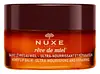
This barrier-repair lip moisturizer is formulated around Butyrospermum Parkii Butter and Honey to strengthen the lip barrier and hydrate lips.
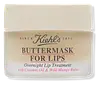
This hydrating lip mask is formulated around Bis-Diglyceryl Polyacyladipate-2 and Butyrospermum Parkii Butter to hydrate lips and strengthen the lip barrier.


What's inside
What's inside
 Key Ingredients
Benefits
Concerns
Ingredients Side-by-side
Beeswax
Emulsion Stabilising




Helianthus Annuus Seed Oil
Emollient

Butyrospermum Parkii Butter
Skin Conditioning
Lecithin
Emollient
C10-18 Triglycerides
Emollient
Caprylic/Capric Triglyceride
Masking
Honey
Humectant
Citrus Grandis Peel Oil
Masking



Camelina Sativa Seed Oil
Skin Conditioning
Oleic/Linoleic/Linolenic Polyglycerides
Emollient
Glyceryl Caprylate
EmollientTocopherol
Antioxidant





Citrus Limon Peel Oil
Masking
Propolis Extract
Skin Conditioning



Citric Acid
Buffering
Citral
Perfuming
Linalool
Perfuming
Geraniol
Perfuming
Limonene
Perfuming
Beeswax, Helianthus Annuus Seed Oil, Butyrospermum Parkii Butter, Lecithin, C10-18 Triglycerides, Caprylic/Capric Triglyceride, Honey, Citrus Grandis Peel Oil, Camelina Sativa Seed Oil, Oleic/Linoleic/Linolenic Polyglycerides, Glyceryl Caprylate, Tocopherol, Citrus Limon Peel Oil, Propolis Extract, Citric Acid, Citral, Linalool, Geraniol, Limonene
Bis-Diglyceryl Polyacyladipate-2
Emollient
Butyrospermum Parkii Butter
Skin Conditioning
Cocos Nucifera Oil
Masking
Beeswax
Emulsion Stabilising
Ricinus Communis Seed Oil
Masking
Candelilla Cera
Emollient
Euphorbia Cerifera Cera
Astringent
Theobroma Cacao Seed Butter
Emollient
Jojoba Esters
Emollient
Simmondsia Chinensis Seed Oil
Emollient
Octyldodecanol
Emollient
Helianthus Annuus Seed Wax
Skin Conditioning
Irvingia Gabonensis Kernel Butter
Skin Conditioning
Water
Skin ConditioningHydrogenated Coco-Glycerides
Emollient
Caprylic/Capric Triglyceride
Masking
Salix Nigra Bark Extract
Skin ProtectingTocopherol
Antioxidant
Acacia Decurrens Flower Wax
Emollient
Polyglycerin-3
Humectant
Sorbic Acid
Preservative
Vanilla Planifolia Fruit Extract
Skin Conditioning
Stevia Rebaudiana Leaf/Stem Extract
MaskingGlycine Soja Oil
Emollient
Citric Acid
Buffering
Bis-Diglyceryl Polyacyladipate-2, Butyrospermum Parkii Butter, Cocos Nucifera Oil, Beeswax, Ricinus Communis Seed Oil, Candelilla Cera, Euphorbia Cerifera Cera, Theobroma Cacao Seed Butter, Jojoba Esters, Simmondsia Chinensis Seed Oil, Octyldodecanol, Helianthus Annuus Seed Wax, Irvingia Gabonensis Kernel Butter, Water, Hydrogenated Coco-Glycerides, Caprylic/Capric Triglyceride, Salix Nigra Bark Extract, Tocopherol, Acacia Decurrens Flower Wax, Polyglycerin-3, Sorbic Acid, Vanilla Planifolia Fruit Extract, Stevia Rebaudiana Leaf/Stem Extract, Glycine Soja Oil, Citric Acid
Reviews
Ingredients Explained
These ingredients are found in both products.
Ingredients higher up in an ingredient list are typically present in a larger amount.
Beeswax is natural wax produced by honey bees to build their honeycomb.
Because it forms a protective layer on your skin, it can help lock in moisture and reduce water loss. It is also widely used as a thickener and emulsifier in lip balms and lotions. Research suggests beeswax containing moisturizers can support skin barrier integrity.
In comedogenic testing, Beeswax scored a 0-2, which is on the low end. Whether or not a product clogs your pores really comes down to the formula as a whole (not any single ingredient on its own).
Cera Alba is the white, bleached form of this ingredient.
Just so you know, beeswax is not vegan since it is animal-derived. It cannot be removed with water, but can be taken off with an oil cleanser.
People with a known Propolis allergy also report to have reactions from beeswax.
Beeswax's wax esters are derived primarily from palmitic and oleic acid (C16 and C18:1). Both of these fall within the C11-C24 feeding window.
The Malassezia yeast can potentially cleave these esters and release usable fatty acids, so this ingredient may not be fungal acne safe. However, not everyone will react to this ingredient.
Learn more about BeeswaxThis ingredient is also known as shea butter. It is a plant-derived extract from the nuts of the Africa shea tree and one of the most well-studied emollients.
Because it has a high concentration of fatty acids (primarily oleic, stearic, and linoleic) it is able to form a protective barrier on the skin's surface. This helps seal in moisture and prevents transepidermal water loss (TEWL).
In vitro research found an increase in skin hydration by 58% and a decrease in TEWL by 37.8% after 24 hours of applying this ingredient (pretty impressive for a single ingredient!).
Besides hydration, shea butter also contains triterpenes that have anti-inflammatory potential. In particule, lupeol cinnamate has shown the highest anti-inflammatory activity in vivo.
Shea butter also contains vitamins A and E which may contribute to antioxidant activity.
While Shea Butter has an SPF rating of about 3-4, it is not a sunscreen replacement.
This ingredient may not be fungal acne safe because its fatty acids fall within the C11-C24 range that the Malassezia yeast can metabolize.
Learn more about Butyrospermum Parkii ButterCaprylic/Capric Triglyceride (aka MCT Oil) is a lightweight emollient, solvent, and texture enhancer. It is considered a skin-softener by helping to prevent moisture loss.
Though it behaves like an oil, it is not technically one due to its chemical composition. One perk of this ingredient is that it is very stable, resistant to oxidation, and unlikely to go rancid.
In practice, that translates to a long shelf life and a consistently elegant skin feel.
While there is an assumption Caprylic Triglyceride can clog pores due to it being derived from coconut oil, there is no research supporting this. Just patch test if you have concerns.
Fractionated coconut oil and MCT Oil are both listed as Caprylic/Capric Triglyceride according to INCI. This is because INCI names are based on the ingredient’s final chemical composition and not its marketing name or source.
This ingredient is treated as the gold standard fungal acne safe oil. Even though it is coconut derived, the problematic lauric acid is stripped out.
This leaves just caprylic (C8) and capric (C10) acid. These chain lengths actually trend antifungal; a 2020 study found caprylic acid was enough to disrupt Malassezia furfur cell membrane, with a caprylic acid derivative damaging membrane structures at concentrations as low as 0.2%.
Learn more about Caprylic/Capric TriglycerideCitric Acid is an alpha hydroxy acid (AHA) naturally found in citrus fruits like oranges, lemons, and limes.
Like other AHAs, citric acid can exfoliate skin by breaking down the bonds that hold dead skin cells together. This helps reveal smoother and brighter skin underneath.
However, this exfoliating effect only happens at high concentrations (20%) which can be hard to find in cosmetic products.
Due to this, citric acid is usually included in small amounts as a pH adjuster. This helps keep products slightly more acidic and compatible with skin's natural pH.
In skincare formulas, citric acid can:
While it can provide some skin benefits, research shows lactic acid and glycolic acid are generally more effective and less irritating exfoliants.
Most citric acid used in skincare today is made by fermenting sugars (usually from molasses). This synthetic version is identical to the natural citrus form but easier to stabilize and use in formulations.
Read more about some other popular AHA's here:
Learn more about Citric AcidTocopherol is a fat-soluble antioxidant known as Vitamin E.
You'll find this ingredient in the vast majority of skincare (for good reason). It works to neutralize free radicals, or unstable molecules generated by UV exposure, pollution, and other environmental stressors, before they can cause oxidative damage to your skin cells.
Topically applied tocopherol has been shown to protect against UV damage by ramping up the skin's own natural defense enzymes.
It also acts as a skin conditioning agent; some studies show that regular topical use can improve the skin's water-binding capacity over 2-4 weeks.
This ingredient is especially loved for being a team player. When combined with Vitamin C, the photoprotective effect of both ingredients roughly doubles and the combo also helps reduce UV-induced DNA damage.
This ingredient has some brightening potential but it's more of a prevention ingredient than spot-fader. Cell studies show it can slow down melanin production but it's worth noting that it's not the most powerful brightener out there.
In formulations, it also serves as a stabilizer that helps protect other oxidation-prone ingredients from degrading.
Concentrations usually range from 0.1-1% in most leave-on products.
Learn more about Tocopherol

