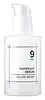
This anti-aging serum is formulated around Niacinamide and Palmitoyl Tripeptide-5 to soften the look of wrinkles.
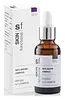
This anti-aging serum is formulated around Pentapeptide-18 and Acetyl Hexapeptide-8 to soften the look of wrinkles.


What's inside
What's inside
 Key Ingredients
Benefits
Concerns
Ingredients Side-by-side
Water
Skin ConditioningGlycerin
Humectant


Hydrogenated Poly(C6-14 Olefin)
EmollientPropanediol
Solvent
Pentaerythrityl Tetraethylhexanoate
Emollient
Niacinamide
Smoothing









Dimethicone
Emollient
Butylene Glycol
Humectant
Butyrospermum Parkii Butter
Skin Conditioning




Hydrogenated Vegetable Oil
Emollient
Hydroxypropyltrimonium Hyaluronate
Hydrolyzed Hyaluronic Acid
Humectant
Palmitoyl Tripeptide-5
Skin Conditioning
Acetyl Hexapeptide-8
Humectant
Lavandula Angustifolia Oil
Masking



Citrus Aurantium Dulcis Peel Oil
Masking
Rosmarinus Officinalis Leaf Oil
Masking
Cedrus Atlantica Bark Oil
Masking
Adenosine
Skin Conditioning
Glyceryl Stearate Citrate
Emollient
Polyglyceryl-3 Methylglucose Distearate
Emulsifying
Glyceryl Stearate
Emollient
Cetearyl Alcohol
Emollient

Palmitic Acid
Emollient
Stearic Acid
Cleansing
Dimethicone/Vinyl Dimethicone Crosspolymer
Skin Conditioning
Glyceryl Caprylate
EmollientSodium Polyacrylate
Absorbent
Xanthan Gum
EmulsifyingCaprylyl Glycol
Emollient
1,2-Hexanediol
Skin Conditioning
Ethylhexylglycerin
Skin ConditioningDisodium EDTA
ChelatingCarbomer
Emulsion StabilisingTromethamine
BufferingLinalool
Perfuming
Limonene
Perfuming
Water, Glycerin, Hydrogenated Poly(C6-14 Olefin), Propanediol, Pentaerythrityl Tetraethylhexanoate, Niacinamide, Dimethicone, Butylene Glycol, Butyrospermum Parkii Butter, Hydrogenated Vegetable Oil, Hydroxypropyltrimonium Hyaluronate, Hydrolyzed Hyaluronic Acid, Palmitoyl Tripeptide-5, Acetyl Hexapeptide-8, Lavandula Angustifolia Oil, Citrus Aurantium Dulcis Peel Oil, Rosmarinus Officinalis Leaf Oil, Cedrus Atlantica Bark Oil, Adenosine, Glyceryl Stearate Citrate, Polyglyceryl-3 Methylglucose Distearate, Glyceryl Stearate, Cetearyl Alcohol, Palmitic Acid, Stearic Acid, Dimethicone/Vinyl Dimethicone Crosspolymer, Glyceryl Caprylate, Sodium Polyacrylate, Xanthan Gum, Caprylyl Glycol, 1,2-Hexanediol, Ethylhexylglycerin, Disodium EDTA, Carbomer, Tromethamine, Linalool, Limonene
Water
Skin ConditioningButylene Glycol
Humectant
Betaine
Humectant
Pentapeptide-18
Skin Conditioning
Acetyl Hexapeptide-8
Humectant
Palmitoyl Tripeptide-1
Skin Conditioning
Palmitoyl Tetrapeptide-7
Skin Conditioning
Palmitoyl Oligopeptide
Cleansing
Copper Tripeptide-1
Skin Conditioning
Glycosaminoglycans
EmollientPropanediol
Solvent
Bis-PEG-8 Dimethicone
Skin Conditioning
Palmitoyl Tripeptide-38
Skin Conditioning
Laminaria Japonica Extract
Skin Protecting
Sodium Hyaluronate Crosspolymer
Humectant
Polyglutamic Acid
Skin Conditioning
Aminobutyric Acid
Urea
Buffering
Polyporus Umbellatus Extract
Skin ProtectingPhenoxyethanol
Preservative
Water, Butylene Glycol, Betaine, Pentapeptide-18, Acetyl Hexapeptide-8, Palmitoyl Tripeptide-1, Palmitoyl Tetrapeptide-7, Palmitoyl Oligopeptide, Copper Tripeptide-1, Glycosaminoglycans, Propanediol, Bis-PEG-8 Dimethicone, Palmitoyl Tripeptide-38, Laminaria Japonica Extract, Sodium Hyaluronate Crosspolymer, Polyglutamic Acid, Aminobutyric Acid, Urea, Polyporus Umbellatus Extract, Phenoxyethanol
Ingredients Explained
These ingredients are found in both products.
Ingredients higher up in an ingredient list are typically present in a larger amount.
Acetyl Hexapeptide-8 (also known as Argireline) is a synthetic hexapeptide that is often called a "topical Botox alternative".
It works by mimicking how Botox relaxes muscles; it interferes with the signaling process that tells your facial muscles to contract. This can help soften expression lines like forehead wrinkles or crow's feet over time.
The comparison to Botox does have limits because the molecule is water-loving and relatively large.
Acetyl Hexapeptide-8 has a hard time absorbing deeply enough through the skin's outer barrier to actually reach the muscles.
So whether it truly works the way Botox does at a biological level is still up for debate, but early clinical outcomes are fairly encouraging.
A 12 week human study of a multi-ingredient regimen containing this ingredient saw:
While some studies have observed improvements in wrinkle appearance, it is important to note that more consistent results are seen in multi-ingredient formulations (vs just Acetyl Hexapeptide-8 alone).
Some research studies also used higher concentrations (up to 10%) while this ingredient is usually found in concentrations up to 0.005% in leave-on formulations.
Learn more about Acetyl Hexapeptide-8Butylene Glycol (or BG) is used within cosmetic products for a few different reasons:
Overall, Butylene Glycol is a safe and well-rounded ingredient that works well with other ingredients.
Though this ingredient works well with most skin types, some people with sensitive skin may experience a reaction such as allergic rashes, closed comedones, or itchiness.
Learn more about Butylene GlycolPropanediol is an all-star ingredient. It softens, hydrates, and smooths the skin.
It’s often used to:
Propanediol is not likely to cause sensitivity and considered safe to use. It is derived from corn or petroleum with a clear color and no scent.
Learn more about PropanediolWater. It's the most common cosmetic ingredient of all. You'll usually see it at the top of ingredient lists, meaning that it makes up the largest part of the product.
So why is it so popular? Water most often acts as a solvent - this means that it helps dissolve other ingredients into the formulation.
You'll also recognize water as that liquid we all need to stay alive. If you see this, drink a glass of water. Remember to stay hydrated!
Learn more about Water

