
What's inside
What's inside
 Key Ingredients
Benefits
Concerns
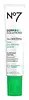
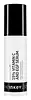
Ingredients Side-by-side
Water
Skin ConditioningDimethicone
Emollient

Glycerin
Humectant

Octyldodecanol
Emollient
Aluminum Starch Octenylsuccinate
Absorbent
Butylene Glycol
Humectant
Ammonium Acryloyldimethyltaurate/Vp Copolymer
Dimethicone Crosspolymer
Emulsion Stabilising
Tocopheryl Acetate
Antioxidant


Alcohol Denat.
Antimicrobial




Phenoxyethanol
Preservative
Panthenol
Skin Conditioning

Ophiopogon Japonicus Root Extract
Skin ConditioningBisabolol
Antioxidant
Ascorbyl Glucoside
Antioxidant
Xanthan Gum
EmulsifyingSodium Hyaluronate
Humectant

Polysorbate 20
Emulsifying
Parfum
Masking

Dimethiconol
Emollient
Caprylyl Glycol
Emollient
Sphinganine
Skin ConditioningSodium Benzoate
Masking
Citric Acid
Buffering
Dipropylene Glycol
HumectantEthylhexylglycerin
Skin ConditioningTetrasodium EDTA
Potassium Hydroxide
BufferingT-Butyl Alcohol
Perfuming
Dimethylmethoxy Chromanol
Antioxidant
Camellia Sinensis Leaf Extract
Antimicrobial
Water, Dimethicone, Glycerin, Octyldodecanol, Aluminum Starch Octenylsuccinate, Butylene Glycol, Ammonium Acryloyldimethyltaurate/Vp Copolymer, Dimethicone Crosspolymer, Tocopheryl Acetate, Alcohol Denat., Phenoxyethanol, Panthenol, Ophiopogon Japonicus Root Extract, Bisabolol, Ascorbyl Glucoside, Xanthan Gum, Sodium Hyaluronate, Polysorbate 20, Parfum, Dimethiconol, Caprylyl Glycol, Sphinganine, Sodium Benzoate, Citric Acid, Dipropylene Glycol, Ethylhexylglycerin, Tetrasodium EDTA, Potassium Hydroxide, T-Butyl Alcohol, Dimethylmethoxy Chromanol, Camellia Sinensis Leaf Extract



Reviews
Ingredients Explained
These ingredients are found in both products.
Ingredients higher up in an ingredient list are typically present in a larger amount.
Ascorbyl Glucoside (AA-2G) is one of the most stable vitamin C derivatives out there.
It's made by attaching a glucose molecule to ascorbic acid; this glucose "cap" shields the vitamin C from air, light, heat, and metal ions that normally cause pure ascorbic acid to oxidize.
Once on your skin, the enzyme alpha-glucosidase snips off the glucose and gradually releases active ascorbic acid right where it's needed. Basically, it behaves like a slow-release pro-vitamin C with less of a stinging that high-strength ascorbic acid can cause.
The research supports the classic vitamin C benefits as well. In lab and human studies, AA-2G slowed down the skin's production of melanin (the pigment behind dark spots) and helped shield skin cells against sun damage better than ascorbyl phosphate.
These studies also showed AA-2G released vitamin C over a longer period.
A frequently cited manufacturer trial found that a 2% AA-2G face cream significantly improved wrinkle depth and skin roughness after 45 days.
And in 2009, a clinical trial showed it meaningfully lightened dark patches on the gums compared to a placebo.
There's also collagen-synthesis support (since vitamin C is a required cofactor for that) and an antioxidant effect too.
Typical usage is usually between 0.5-5% and most studies/products land around 2%.
AA-2G performs best when formulated at a mildly acidic pH (~5-7) which is much gentler than the pH that pure vitamin C demands (~2.5-3.5).
Just one thing worth knowing: the in-skin conversation rate is only about 55-60% by weight. So a 5% AA-2G product delivers roughly 2.75-3% of actual active vitamin C. On top of that, skin absorption is relatively low because the ingredient is water-soluble.
Learn more about Ascorbyl GlucosideButylene Glycol (or BG) is used within cosmetic products for a few different reasons:
Overall, Butylene Glycol is a safe and well-rounded ingredient that works well with other ingredients.
Though this ingredient works well with most skin types, some people with sensitive skin may experience a reaction such as allergic rashes, closed comedones, or itchiness.
Learn more about Butylene GlycolEthylhexylglycerin is created from glycerin. It is a multitasker ingredient that:
The CIR Expert Panel found minimal skin absorption or sensitization of any kind in a safety assessment. Though this ingredient is considered well-tolerated, a small number of cases of allergic dermatitis have been published since 2002. Just be sure to patch test if you are unsure.
Industry-reported use ranges from 8% in rinse-off products and 2% in leave-on formulations.
Learn more about EthylhexylglycerinPhenoxyethanol is a preservative that has germicide, antimicrobial, and aromatic properties. Studies show that phenoxyethanol can prevent microbial growth. By itself, it has a scent that is similar to that of a rose.
It's often used in formulations along with Caprylyl Glycol to preserve the shelf life of products.
Water. It's the most common cosmetic ingredient of all. You'll usually see it at the top of ingredient lists, meaning that it makes up the largest part of the product.
So why is it so popular? Water most often acts as a solvent - this means that it helps dissolve other ingredients into the formulation.
You'll also recognize water as that liquid we all need to stay alive. If you see this, drink a glass of water. Remember to stay hydrated!
Learn more about WaterXanthan gum is used as a stabilizer and thickener within cosmetic products. It helps give products a sticky, thick feeling - preventing them from being too runny.
On the technical side of things, xanthan gum is a polysaccharide - a combination consisting of multiple sugar molecules bonded together.
Xanthan gum is a pretty common and great ingredient. It is a natural, non-toxic, non-irritating ingredient that is also commonly used in food products.
Learn more about Xanthan Gum

