

What's inside
What's inside
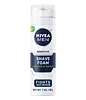 Key Ingredients
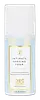
Benefits
Concerns
Ingredients Side-by-side
Water
Skin ConditioningStearic Acid
Cleansing



Isobutane
Triethanolamine
BufferingLaureth-23
Cleansing

Glycerin
Humectant

Hamamelis Virginiana Bark/Leaf Extract
AstringentChamomilla Recutita Flower Extract
Masking

Tocopheryl Acetate
Antioxidant


Propane
Coco-Caprylate/Caprate
Emollient
Butane
Hydroxypropyl Methylcellulose
Emulsion StabilisingPEG-7m
Emulsion StabilisingMaltodextrin
Absorbent
Caprylic/Capric Triglyceride
Masking
Potassium Hydroxide
BufferingPiroctone Olamine
Preservative
Parfum
Masking


Water, Stearic Acid, Isobutane, Triethanolamine, Laureth-23, Glycerin, Hamamelis Virginiana Bark/Leaf Extract, Chamomilla Recutita Flower Extract, Tocopheryl Acetate, Propane, Coco-Caprylate/Caprate, Butane, Hydroxypropyl Methylcellulose, PEG-7m, Maltodextrin, Caprylic/Capric Triglyceride, Potassium Hydroxide, Piroctone Olamine, Parfum
Water
Skin ConditioningSodium Laureth Sulfate
Cleansing

Glycerin
Humectant
Sodium Cocoamphoacetate
CleansingPropane
Glycol Distearate
Emollient
Butane
Isobutane
Paeonia Lactiflora Root Extract
Skin ConditioningSodium PCA
Humectant
Sodium Lactate
Buffering
Hydrolyzed Corn Starch
HumectantBeta Vulgaris Root Extract
Skin ConditioningUrea
Buffering

Fructose
Humectant
Niacinamide
Smoothing





Inositol
Humectant
Sodium Levulinate
Skin ConditioningLactic Acid
Buffering
Sodium Anisate
AntimicrobialGlycine
Buffering
PEG-40 Hydrogenated Castor Oil
Emulsifying
Polysorbate 20
Emulsifying
Butylene Glycol
Humectant
Cocamide Mea
Emulsifying
Chelidonine
Skin ConditioningPEG-14m
Emulsion StabilisingSodium Benzoate
Masking
P-Anisic Acid
MaskingCitric Acid
Buffering
Water, Sodium Laureth Sulfate, Glycerin, Sodium Cocoamphoacetate, Propane, Glycol Distearate, Butane, Isobutane, Paeonia Lactiflora Root Extract, Sodium PCA, Sodium Lactate, Hydrolyzed Corn Starch, Beta Vulgaris Root Extract, Urea, Fructose, Niacinamide, Inositol, Sodium Levulinate, Lactic Acid, Sodium Anisate, Glycine, PEG-40 Hydrogenated Castor Oil, Polysorbate 20, Butylene Glycol, Cocamide Mea, Chelidonine, PEG-14m, Sodium Benzoate, P-Anisic Acid, Citric Acid
Ingredients Explained
These ingredients are found in both products.
Ingredients higher up in an ingredient list are typically present in a larger amount.
Butane is a gas derived from petroleum and natural gas. It is used as an aerosol propellant.
Glycerin (or glycerol) is a compound naturally found in your skin. It's a powerhouse humectant that pulls water into the stratum corneum.
Topically, glycerin does several things at once:
Your skin makes glycerin on its own (mostly from sebaceous oil breakdown) and shuttles it to your outermost layer of skin, or your epidermis, via aquaporin-3.
Aquaporin-3 is a transporter that is essential for normal skin hydration, elasticity, and repair. Interestingly, mice lacking in AQP3 have dry and less elastic skin that can be fully corrected with glycerin.
This ingredient is non-irritating, plays well with almost every ingredient, and works across all skin types. Typical use is anywhere between 3-10% but can go up to 79% in some leave-on products.
Just know very high concentrations (>40%) can feel tacky in low humidity.
Glycerin is the name for this ingredient in American English. British English uses Glycerol/Glycerine.
Learn more about GlycerinThis ingredient is a low-molecular weight gas using as a propellant in foams, sprays, and mousses.
It is not intended to interact with skin in a meaningful way as it evaporates almost immediately after dispensing and only leaving behind the actual product formula.
If it does somehow make it onto your skin, it is chemically inert and does not penetrate or get absorbed into skin. Safety assessments note that adverse skin reactions to this ingredient are uncommon.
Learn more about IsobutanePropane is a gas derived from petroleum and natural gas. In cosmetics, its only used as an aerosol propellant (it pushes your product out of the can when you press the nozzle).
That's why you'll find it in hair sprays, dry shampoos, deodorants, mousses, shaving foams, and sunscreen sprays.
It is volatile, meaning it only remains on skin for less than 10 seconds before evaporating. It doesn't really linger long enough on skin to act as a skincare ingredient in any meaningful way.
Hairspray concentrations are between 6-17%.
The CIR Expert Panel concluded it to be safe as a cosmetic ingredient under present concentration and usage.
Learn more about PropaneWater. It's the most common cosmetic ingredient of all. You'll usually see it at the top of ingredient lists, meaning that it makes up the largest part of the product.
So why is it so popular? Water most often acts as a solvent - this means that it helps dissolve other ingredients into the formulation.
You'll also recognize water as that liquid we all need to stay alive. If you see this, drink a glass of water. Remember to stay hydrated!
Learn more about Water

