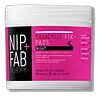
This acne exfoliating pad uses a pre-saturated pad with Salicylic Acid to clear breakouts and refine skin texture.
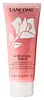
This smoothing exfoliator is formulated around Sucrose and Salicylic Acid to refine skin texture and brighten dull-looking skin.


What's inside
What's inside
 Key Ingredients
Benefits
Concerns
Ingredients Side-by-side
Water
Skin ConditioningGlycerin
Humectant


Butylene Glycol
Humectant
Propylene Glycol
Humectant

Salvia Hispanica Seed Extract
Emollient
Salicylic Acid
Masking








Propanediol
Solvent
Phenoxyethanol
Preservative
Benzyl Alcohol
Perfuming



Parfum
Masking
Aloe Barbadensis Leaf Juice Powder
Skin Conditioning
Disodium EDTA
ChelatingPanthenol
Skin Conditioning
Sodium Hydroxide
BufferingLactobacillus Ferment
Skin Conditioning
Benzyl Salicylate
Perfuming
Dehydroacetic Acid
Preservative
Sodium Hyaluronate
Humectant

Nelumbo Nucifera Flower Extract
Skin ConditioningNymphaea Coerulea Flower Extract
Skin ConditioningWater, Glycerin, Butylene Glycol, Propylene Glycol, Salvia Hispanica Seed Extract, Salicylic Acid, Propanediol, Phenoxyethanol, Benzyl Alcohol, Parfum, Aloe Barbadensis Leaf Juice Powder, Disodium EDTA, Panthenol, Sodium Hydroxide, Lactobacillus Ferment, Benzyl Salicylate, Dehydroacetic Acid, Sodium Hyaluronate, Nelumbo Nucifera Flower Extract, Nymphaea Coerulea Flower Extract
Glycerin
Humectant
Propylene Glycol
Humectant
Sucrose
Humectant
Honey
Humectant
CI 14700
Cosmetic ColorantCI 17200
Cosmetic ColorantSodium Hyaluronate
Humectant
Argania Spinosa Shell Powder
Abrasive
PEG-30 Dipolyhydroxystearate
Emulsifying
Arginine
Masking
Triethanolamine
BufferingTrideceth-6
EmulsifyingSalicylic Acid
Masking
Panthenol
Skin Conditioning
Propanediol
Solvent
Acrylates/C10-30 Alkyl Acrylate Crosspolymer
Emulsion StabilisingRosa Damascena Flower Water
Masking
Citric Acid
Buffering
Prunus Amygdalus Dulcis Oil
Skin Conditioning

Parfum
Masking
Glycerin, Propylene Glycol, Sucrose, Honey, CI 14700, CI 17200, Sodium Hyaluronate, Argania Spinosa Shell Powder, PEG-30 Dipolyhydroxystearate, Arginine, Triethanolamine, Trideceth-6, Salicylic Acid, Panthenol, Propanediol, Acrylates/C10-30 Alkyl Acrylate Crosspolymer, Rosa Damascena Flower Water, Citric Acid, Prunus Amygdalus Dulcis Oil, Parfum
Reviews
Ingredients Explained
These ingredients are found in both products.
Ingredients higher up in an ingredient list are typically present in a larger amount.
Glycerin (or glycerol) is a compound naturally found in your skin. It's a powerhouse humectant that pulls water into the stratum corneum.
Topically, glycerin does several things at once:
Your skin makes glycerin on its own (mostly from sebaceous oil breakdown) and shuttles it to your outermost layer of skin, or your epidermis, via aquaporin-3.
Aquaporin-3 is a transporter that is essential for normal skin hydration, elasticity, and repair. Interestingly, mice lacking in AQP3 have dry and less elastic skin that can be fully corrected with glycerin.
This ingredient is non-irritating, plays well with almost every ingredient, and works across all skin types. Typical use is anywhere between 3-10% but can go up to 79% in some leave-on products.
Just know very high concentrations (>40%) can feel tacky in low humidity.
Glycerin is the name for this ingredient in American English. British English uses Glycerol/Glycerine.
Learn more about GlycerinPanthenol is a common ingredient that helps hydrate and soothe the skin. It is found naturally in our skin and hair.
There are two forms of panthenol: D and L.
D-panthenol is also known as dexpanthenol. Most cosmetics use dexpanthenol or a mixture of D and L-panthenol.
Panthenol is famous due to its ability to go deeper into the skin's layers. Using this ingredient has numerous pros (and no cons):
Like hyaluronic acid, panthenol is a humectant. Humectants are able to bind and hold large amounts of water to keep skin hydrated.
This ingredient works well for wound healing. It works by increasing tissue in the wound and helps close open wounds.
Once oxidized, panthenol converts to pantothenic acid. Panthothenic acid is found in all living cells.
This ingredient is also referred to as pro-vitamin B5.
Learn more about PanthenolParfum is a catch-all term for an ingredient or more that is used to give a scent to products.
Also called "fragrance", this ingredient can be a blend of hundreds of chemicals or plant oils. This means every product with "fragrance" or "parfum" in the ingredients list is a different mixture.
For instance, Habanolide is a proprietary trade name for a specific aroma chemical. When used as a fragrance ingredient in cosmetics, most aroma chemicals fall under the broad labeling category of “FRAGRANCE” or “PARFUM” according to EU and US regulations.
The term 'parfum' or 'fragrance' is not regulated in many countries. In many cases, it is up to the brand to define this term.
For instance, many brands choose to label themselves as "fragrance-free" because they are not using synthetic fragrances. However, their products may still contain ingredients such as essential oils that are considered a fragrance by INCI standards.
One example is Calendula flower extract. Calendula is an essential oil that still imparts a scent or 'fragrance'.
Depending on the blend, the ingredients in the mixture can cause allergies and sensitivities on the skin. Some ingredients that are known EU allergens include linalool and citronellol.
Parfum can also be used to mask or cover an unpleasant scent.
The bottom line is: not all fragrances/parfum/ingredients are created equally. If you are worried about fragrances, we recommend taking a closer look at an ingredient. And of course, we always recommend speaking with a professional.
Learn more about ParfumPropanediol is an all-star ingredient. It softens, hydrates, and smooths the skin.
It’s often used to:
Propanediol is not likely to cause sensitivity and considered safe to use. It is derived from corn or petroleum with a clear color and no scent.
Learn more about PropanediolPropylene Glycol is a synthetic, colorless, odorless liquid that has been a staple in cosmetics for decades. It is a skin conditioning agent, humectant, and solvent.
As a humectant, it draw water to the skin to reduce flaking and restore suppleness. It's also a solvent that helps dissolve other actives and keeps formulas stable across temperature changes.
The CIR Expert Panel has confirmed this ingredient to be nontoxic and clinical studies show no sensitization at cosmetic use concentrations.
True allergic reactions are quite rare: a 15-year retrospective study of 6,751 patients found only 0.31% had a positive reaction (and less than half were considered clinically relevant).
It seemed that when sensitization does occur, it's most commonly linked to topical medication (like corticosteroids) and not cosmetics. Allergic contact dermatitis also appears largely limited to individuals with underlying skin conditions.
Overall, propylene glycol is a well-studied ingredient that most people can tolerate without issue.
Learn more about Propylene GlycolSalicylic Acid (also known as beta hydroxy acid or BHA) is a well-known ingredient for treating skin that struggles with acne and clogged pores. It exfoliates both the skin's surface and deep within the pores to help clear out buildup, control oil, and reduce inflammation.
Unlike AHAs (alpha hydroxy acids), salicylic acid is oil-soluble. This allows it to penetrate into pores which makes it especially effective for treating blackheads and preventing future breakouts.
Salicylic acid is also known for its soothing properties. It has a similar structure to aspirin and can calm inflamed or irritated skin, making it a good option for acne-prone skin that is also sensitive.
Concentrations of 0.5-2% are recognized by the U.S. FDA as an over-the-counter topical acne product.
It can cause irritation and/or dryness if one's skin already has a compromised moisture barrier, so it's best to focus on repairing that before introducing this ingredient into your routine.
While salicylic acid does not increase sun sensitivity, it’s still important to wear sunscreen daily to protect your skin.
If you are looking for the ingredient called BHA or Butylated Hydroxyanisole, click here.
Learn more about Salicylic AcidSodium Hyaluronate is the salt form of hyaluronic acid. It is a long sugar chain that is naturally found in your skin, joints, and connective tissue that maintains hydration and elasticity.
In skincare, it works as a humectant. It pulls water from the environment and deeper layers of skin and binds it to the surface.
Interestingly, the size of the molecule affects its behavior:
Some clinical evidence links low molecular weight versions to improved wrinkle depth, elasticity, anti-inflammatory effects, and barrier repair.
Many serums use a blend of both weights so you can get surface hydration plus longer-lasting and deeper effects.
You'll typically see concentrations between 0.1-2% for this ingredient.
Learn more about Sodium Hyaluronate

