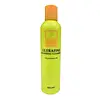
This cream cleanser uses mild cleansing ingredients, but contains alcohol that may feel drying for some.
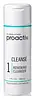
This benzoyl peroxide cream cleanser is formulated around Benzoyl Peroxide to clear breakouts and help reduce acne-causing bacteria.


What's inside
What's inside
 Key Ingredients
Benefits
Concerns
Ingredients Side-by-side
Water
Skin ConditioningNeopentyl Glycol Dicaprylate/Dicaprate
EmollientTridecyl Stearate
Emollient

Sorbitol
Humectant

Tridecyl Trimellitate
EmollientDimethicone
Emollient

Glyceryl Stearate
Emollient
Squalane
Emollient
Chamomilla Recutita Flower Oil
Masking


Tocopherol
Antioxidant



Carbomer
Emulsion StabilisingXanthan Gum
EmulsifyingSodium Dehydroacetate
Preservative
Cetearyl Alcohol
Emollient




Ceteareth-20
Cleansing
Cetyl Alcohol
Emollient
Stearyl Alcohol
Emollient
Triethanolamine
BufferingBenzyl Alcohol
Perfuming




Water, Neopentyl Glycol Dicaprylate/Dicaprate, Tridecyl Stearate, Sorbitol, Tridecyl Trimellitate, Dimethicone, Glyceryl Stearate, Squalane, Chamomilla Recutita Flower Oil, Tocopherol, Carbomer, Xanthan Gum, Sodium Dehydroacetate, Cetearyl Alcohol, Ceteareth-20, Cetyl Alcohol, Stearyl Alcohol, Triethanolamine, Benzyl Alcohol
Benzoyl Peroxide 2.5%


Water
Skin ConditioningMagnesium Aluminum Silicate
Absorbent
Glyceryl Stearate
Emollient
PEG-100 Stearate
Surfactant
Sorbitol
Humectant
Dimethyl Isosorbide
SolventDisodium PEG-12 Dimethicone Sulfosuccinate
Cleansing
Tridecyl Stearate
Emollient
Neopentyl Glycol Dicaprylate/Dicaprate
EmollientParaffin
Skin Conditioning
Cetyl Esters
Emollient
Anthemis Nobilis Flower Extract
Masking
Tridecyl Trimellitate
EmollientTrisodium Sulfosuccinate
BufferingPEG-12 Dimethicone
Skin Conditioning
Sodium Sulfate
Sodium Hyaluronate
Humectant
Propylene Glycol
Humectant
Sodium PCA
Humectant
Xanthan Gum
EmulsifyingPhenoxyethanol
Preservative
Imidazolidinyl Urea
Preservative
Methylparaben
Preservative

Propylparaben
Preservative
Parfum
Masking
Benzoyl Peroxide 2.5%, Water, Magnesium Aluminum Silicate, Glyceryl Stearate, PEG-100 Stearate, Sorbitol, Dimethyl Isosorbide, Disodium PEG-12 Dimethicone Sulfosuccinate, Tridecyl Stearate, Neopentyl Glycol Dicaprylate/Dicaprate, Paraffin, Cetyl Esters, Anthemis Nobilis Flower Extract, Tridecyl Trimellitate, Trisodium Sulfosuccinate, PEG-12 Dimethicone, Sodium Sulfate, Sodium Hyaluronate, Propylene Glycol, Sodium PCA, Xanthan Gum, Phenoxyethanol, Imidazolidinyl Urea, Methylparaben, Propylparaben, Parfum
Reviews
Ingredients Explained
These ingredients are found in both products.
Ingredients higher up in an ingredient list are typically present in a larger amount.
Glyceryl Stearate is made by reacting glycerin with stearic acid (typically sourced from plant oils like palm or coconut). It's an emulsifier, emollient, and mild occlusive.
Emulsifiers help ingredients like oil and water stay mixed so your formula stays nicely blended and uniform in texture.
This ingredient is typically used in concentrations between 1-10%. Studies have found it to be non-sensitizing, non-phototoxic, and non-photoallergenic.
A close cousin of this ingredient is Glyceryl Stearate SE ("self-emulsifying"). This just has a small amount of sodium or potassium stearate added so it can emulsify without a co-emulsifier.
Since this ingredient is an ester of a C18 fatty acid, it may not be fungal acne safe. The Malassezia yeast can potentially metabolize within the C11-C24 range.
Fun fact: The human body also creates Glyceryl Stearate naturally.
Learn more about Glyceryl StearateWe don't have a description for Neopentyl Glycol Dicaprylate/Dicaprate yet.
Sorbitol is a sugar alcohol. It is a hydrating and moisturizing agent created from the reduction process of glucose.
Most sorbitol is usually made from potato starch. It is also found in fruits such as apples and pears.
As a humectant, Sorbitol helps draw water to the skin. This helps keep the skin hydrated. Sorbitol also helps create a thicker texture in products. You might find sorbitol in your toothpaste and other gels.
It is a non-irritating ingredient that is great for those with dry skin.
Sorbitol is a prebiotic. It helps promote the growth of healthy bacteria on your skin. The bacteria on your skin form a microbiome. This microbiome helps protect your skin from infection and harmful bacteria.
Learn more about SorbitolTridecyl Stearate isn't fungal acne safe.
Tridecyl Trimellitate is a synthetic ingredient with emollient and skin conditioning properties. It also acts as a texture enhancer and helps products spread easily without feeling greasy.
As an emollient, it forms a light layer on the skin that keeps moisture in and improves water resistance. This is why you'll often find this ingredient in eye creams and other rich treatments.
This ingredient is seen as the elegant alternative to mineral oil.
Learn more about Tridecyl TrimellitateWater. It's the most common cosmetic ingredient of all. You'll usually see it at the top of ingredient lists, meaning that it makes up the largest part of the product.
So why is it so popular? Water most often acts as a solvent - this means that it helps dissolve other ingredients into the formulation.
You'll also recognize water as that liquid we all need to stay alive. If you see this, drink a glass of water. Remember to stay hydrated!
Learn more about WaterXanthan gum is used as a stabilizer and thickener within cosmetic products. It helps give products a sticky, thick feeling - preventing them from being too runny.
On the technical side of things, xanthan gum is a polysaccharide - a combination consisting of multiple sugar molecules bonded together.
Xanthan gum is a pretty common and great ingredient. It is a natural, non-toxic, non-irritating ingredient that is also commonly used in food products.
Learn more about Xanthan Gum

