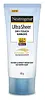
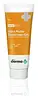
Neutrogena Ultra Sheer Dry Touch Sunscreen SPF 50+ Versus The Derma Co Ultra Matte Sunscreen Gel SPF 60


What's inside
What's inside
 Key Ingredients
Benefits
Concerns
Ingredients Side-by-side
Water
Skin ConditioningHomosalate
Skin Conditioning

Octocrylene
UV Absorber

Butyl Methoxydibenzoylmethane
UV Absorber
Ethylhexyl Salicylate
UV Absorber
Methylene Bis-Benzotriazolyl Tetramethylbutylphenol
UV Filter
Ethylhexyl Triazone
UV Absorber
Glycerin
Humectant


Aluminum Starch Octenylsuccinate
Absorbent
Sodium Potassium Aluminum Silicate
Diisopropyl Adipate
EmollientPotassium Cetyl Phosphate
EmulsifyingPhenoxyethanol
Preservative
Triacontanyl Pvp
HumectantCetyl Alcohol
Emollient


Glyceryl Stearate
Emollient
Hydroxyacetophenone
Antioxidant


Silica
Abrasive

Bis-Ethylhexyloxyphenol Methoxyphenyl Triazine
Skin Conditioning
Tocopheryl Acetate
Antioxidant

Hydrolyzed Jojoba Esters
Skin Conditioning
PEG-75 Stearate
Surfactant
Titanium Dioxide
Cosmetic Colorant
Dimethicone
Emollient
Acrylates/C10-30 Alkyl Acrylate Crosspolymer
Emulsion StabilisingCeteth-20
CleansingParfum
Masking


Steareth-20
CleansingAcrylates/Dimethicone Copolymer
Skin Conditioning
Disodium EDTA
Jojoba Esters
Emollient
Sodium Hydroxide
BufferingWater, Homosalate, Octocrylene, Butyl Methoxydibenzoylmethane, Ethylhexyl Salicylate, Methylene Bis-Benzotriazolyl Tetramethylbutylphenol, Ethylhexyl Triazone, Glycerin, Aluminum Starch Octenylsuccinate, Sodium Potassium Aluminum Silicate, Diisopropyl Adipate, Potassium Cetyl Phosphate, Phenoxyethanol, Triacontanyl Pvp, Cetyl Alcohol, Glyceryl Stearate, Hydroxyacetophenone, Silica, Bis-Ethylhexyloxyphenol Methoxyphenyl Triazine, Tocopheryl Acetate, Hydrolyzed Jojoba Esters, PEG-75 Stearate, Titanium Dioxide, Dimethicone, Acrylates/C10-30 Alkyl Acrylate Crosspolymer, Ceteth-20, Parfum, Steareth-20, Acrylates/Dimethicone Copolymer, Disodium EDTA, Jojoba Esters, Sodium Hydroxide
Vinyldimethicone
C12-15 Alkyl Benzoate
AntimicrobialPEG-12 Dimethicone/PPG-20 Crosspolymer
Ethylhexyl Methoxycinnamate
UV Absorber
Diethylhexyl Butamido Triazone
UV Absorber
Diethylamino Hydroxybenzoyl Hexyl Benzoate
UV Filter
Zinc Oxide
Cosmetic Colorant
Titanium Dioxide
Cosmetic Colorant
Alumina
Abrasive
Simethicone
Emollient
Polysilicone-11
Caprylyl Methicone
Skin Conditioning
Bis-Ethylhexyloxyphenol Methoxyphenyl Triazine
Skin Conditioning
Diethylhexyl Syringylidenemalonate
Skin ProtectingCaprylic/Capric/Lauric Triglyceride
Skin ConditioningVinyldimethicone, C12-15 Alkyl Benzoate, PEG-12 Dimethicone/PPG-20 Crosspolymer, Ethylhexyl Methoxycinnamate, Diethylhexyl Butamido Triazone, Diethylamino Hydroxybenzoyl Hexyl Benzoate, Zinc Oxide, Titanium Dioxide, Alumina, Simethicone, Polysilicone-11, Caprylyl Methicone, Bis-Ethylhexyloxyphenol Methoxyphenyl Triazine, Diethylhexyl Syringylidenemalonate, Caprylic/Capric/Lauric Triglyceride
Reviews
Ingredients Explained
These ingredients are found in both products.
Ingredients higher up in an ingredient list are typically present in a larger amount.
This ingredient is better known as bemotrizinol or Tinosorb S and is one of the best broad-spectrum UV filters in modern sunscreen.
It works by absorbing UV light across a whole range (280-400 nm) with peaks around 310 nm (UVB) and 340-345 nm (UVA). This means it covers UVB plus the deeper UVA wavelengths that drive photoaging and pigmentation.
Another pro?
It's exceptionally photostable, barely degrades in sunlight, and acts as a "bodyguard" for less stable filters.
That's why you'll see it paired with avobenzone or octinoxate; this team up ensures they keep working through sun exposure.
Safety reviews have been reassuring across the board. This ingredient shows low absorption through the skin, rarely irritates, and lab studies found it doesn't act like a hormone in the body (a concern that's been raised about some older sunscreen filters).
On maximum concentrations:
In 2026, the US F.D.A finally added it as an OTC sunscreen ingredient at concentrations up to 6% for adults / children 6 months and older
Learn more about Bis-Ethylhexyloxyphenol Methoxyphenyl TriazineTitanium dioxide is a mineral UV filter widely used in sunscreens and cosmetics.
It is one of only two UV filters officially classified as “mineral” by regulatory agencies, the other being zinc oxide.
Titanium dioxide provides broad-spectrum protection mostly in the UVB and UVAII range, with some protection in the UVAI range.
While its UVA protection isn’t as strong as zinc oxide’s, the difference is minor.
A common myth is that mineral UV filters reflect UV light. However, modern research shows titanium dioxide absorbs UV radiation like chemical filters (~95% absorption & 5% reflection).
Thanks to its non-irritating nature, titanium dioxide is suitable for sensitive, acne-prone, or redness-prone skin. It is unlikely to cause "eye sting" like other sunscreen ingredients.
A major drawback of this ingredient is its white cast and thick texture. This is why mineral sunscreens often leave a white cast and are less cosmetically elegant than chemical/hybrid sunscreens.
To improve white cast and spreadability, micronized or nano-sized titanium dioxide is often used.
There are ongoing concerns surrounding nano-titanium oxide's impact on marine ecosystems.
There is no conclusive evidence that any form of titanium oxide (or any other sunscreen ingredients) will cause harm to marine ecosystems or coral reefs. The science is still developing but many consumers are keeping a close eye on this issue.
Please note, many destinations have reef-safety sunscreen rules. For instance, the U.S. Virgin Islands advises all visitors to use non-nano mineral sunscreens.
Nano mineral sunscreens once raised safety concerns about absorption into skin.
Extensive research has shown that they do not penetrate healthy or damaged skin; they remain safely on the surface and the top layer of dead skin (stratum corneum).
You'll likely find titanium dioxide bundled with alumina, silica, or dimethicone. These ingredients help make titanium dioxide highly photostable; this prevents it from interacting with other formula components under UV light.
Learn more about Titanium Dioxide
