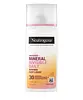
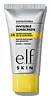
Neutrogena Purescreen+ Mineral Invisible Daily Defense Face Liquid SPF 30 Versus e.l.f. cosmetics Suntouchable! Invisible Sunscreen SPF 35
This mineral sunscreen covers the full UV range and blocks ~97% of UVB at SPF 30.
This chemical sunscreen covers most of the UV range, lighter on the deep UVA that drives aging.

What's inside
What's inside
 Key Ingredients
Benefits
Concerns
Ingredients Side-by-side
Titanium Dioxide 4.9%
Cosmetic Colorant

Zinc Oxide 21.6%
Cosmetic Colorant
Water
Skin ConditioningIsononyl Isononanoate
EmollientDicaprylyl Ether
Emollient
C12-15 Alkyl Benzoate
AntimicrobialPolyglyceryl-2 Dipolyhydroxystearate
Skin Conditioning

Propylene Glycol
Humectant
Dimethicone
Emollient

Zingiber Officinale Root Extract
Masking
Tocopheryl Acetate
Antioxidant


Chrysanthemum Parthenium Flower/Leaf/Stem Juice
Antioxidant
Calcium Sodium Borosilicate
Polyhydroxystearic Acid
Emulsifying
Triethoxycaprylylsilane
Sorbitan Sesquioleate
Emulsifying
Sodium Chloride
MaskingAluminum Hydroxide
EmollientPhenoxyethanol
Preservative
Triacontanyl Pvp
HumectantEthylhexylglycerin
Skin ConditioningStearic Acid
Cleansing
Iron Oxides
Titanium Dioxide 4.9%, Zinc Oxide 21.6%, Water, Isononyl Isononanoate, Dicaprylyl Ether, C12-15 Alkyl Benzoate, Polyglyceryl-2 Dipolyhydroxystearate, Propylene Glycol, Dimethicone, Zingiber Officinale Root Extract, Tocopheryl Acetate, Chrysanthemum Parthenium Flower/Leaf/Stem Juice, Calcium Sodium Borosilicate, Polyhydroxystearic Acid, Triethoxycaprylylsilane, Sorbitan Sesquioleate, Sodium Chloride, Aluminum Hydroxide, Phenoxyethanol, Triacontanyl Pvp, Ethylhexylglycerin, Stearic Acid, Iron Oxides
Butyl Methoxydibenzoylmethane 3%
UV Absorber
Ethylhexyl Salicylate 5%
UV Absorber
Octocrylene 8%
UV Absorber
Homosalate 7%
Skin Conditioning
Isododecane
EmollientDimethicone
Emollient
Silica Dimethyl Silylate
EmollientCaprylyl Methicone
Skin Conditioning
PEG-10 Dimethicone/Vinyl Dimethicone Crosspolymer
Stabilising
Glycerin
Humectant
PEG-12 Dimethicone/PPG-20 Crosspolymer
Pongamia Pinnata Seed Extract
Skin ConditioningLimnanthes Alba Seed Oil
Skin Conditioning
Aloe Barbadensis Leaf Juice Powder
Skin Conditioning
Polyester-7
Skin ConditioningNeopentyl Glycol Diheptanoate
EmollientPhenoxyethanol
Preservative
Ethylhexylglycerin
Skin ConditioningIsopropyl Palmitate
Emollient
Butyl Methoxydibenzoylmethane 3%, Ethylhexyl Salicylate 5%, Octocrylene 8%, Homosalate 7%, Isododecane, Dimethicone, Silica Dimethyl Silylate, Caprylyl Methicone, PEG-10 Dimethicone/Vinyl Dimethicone Crosspolymer, Glycerin, PEG-12 Dimethicone/PPG-20 Crosspolymer, Pongamia Pinnata Seed Extract, Limnanthes Alba Seed Oil, Aloe Barbadensis Leaf Juice Powder, Polyester-7, Neopentyl Glycol Diheptanoate, Phenoxyethanol, Ethylhexylglycerin, Isopropyl Palmitate
Reviews
Ingredients Explained
These ingredients are found in both products.
Ingredients higher up in an ingredient list are typically present in a larger amount.
Dimethicone is a type of synthetic silicone created from natural materials such as quartz. It is also known as polydimethylsiloxane.
What it does:
Dimethicone comes in different viscosities:
Depending on the viscosity, dimethicone has different properties.
Ingredients lists don't always show which type is used, so we recommend reaching out to the brand if you have questions about the viscosity.
This ingredient is unlikely to cause irritation because it does not get absorbed into skin. However, people with silicone allergies should be careful about using this ingredient.
Note: Dimethicone may contribute to pilling. This is because it is not oil or water soluble, so pilling may occur when layered with products. When mixed with heavy oils in a formula, the outcome is also quite greasy.
Learn more about DimethiconeEthylhexylglycerin is created from glycerin. It is a multitasker ingredient that:
The CIR Expert Panel found minimal skin absorption or sensitization of any kind in a safety assessment. Though this ingredient is considered well-tolerated, a small number of cases of allergic dermatitis have been published since 2002. Just be sure to patch test if you are unsure.
Industry-reported use ranges from 8% in rinse-off products and 2% in leave-on formulations.
Learn more about EthylhexylglycerinPhenoxyethanol is one of the most widely used preservatives in skincare (and for good reason!).
It has a large spectrum of antimicrobial activity and especially effective bacteria, yeast, and mold while only having a weak effect on your skin's natural microbiome.
On a cellular level, it disrupts the cell membranes of microbes by poking holes that make the cell leak. This shuts down the chemical reactions the microbe needs to make energy so it can no longer survive.
Another perk of this ingredient is that it stays functional across a wide pH range (3-10).
You'll often see it paired with boosters like Ethylhexylglycerin; one study showed that a 1:9 ratio of Ethylhexylglycerin to Phenoxyethanol damages bacterial membranes as effectively as doubling the Phenoxyethanol concentration on its own.
Typical use concentrations range from 0.3-1% depending on the formula, and this ingredient is capped at 1% int the EU.
Safety-wise, the fear mongering does not hold up to the evidence. The EU's Scientific Committee on Consumer Safety and FDA consider it safe as a preservative at up to 1%, including for children of all ages.
Adverse systemic effects only showed up in animal studies at exposures roughly 200x higher than what people get from cosmetics. And despite its very widespread use, this ingredient is a rare sensitizer and allergic reactions are uncommon.
Learn more about Phenoxyethanol

