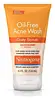
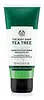
Neutrogena Oil-Free Acne Face Wash Daily Scrub With Salicylic Acid Versus The Body Shop Tea Tree Squeaky-Clean Exfoliating Face Scrub
This acne exfoliator is formulated around Salicylic Acid and Glycolic Acid to clear breakouts and refine skin texture.
This oil-control exfoliator is formulated around Perlite and Melaleuca Alternifolia Leaf Oil to balance excess oil and clear breakouts.


What's inside
What's inside
 Key Ingredients
Benefits
Concerns
Ingredients Side-by-side
Salicylic Acid 2%
Masking










Water
Skin ConditioningCetyl Alcohol
Emollient


PPG-15 Stearyl Ether
EmollientPolyethylene
Abrasive
Glycolic Acid
Buffering



Glycerin
Humectant

Polysorbate 60
Emulsifying
Steareth-21
CleansingC12-15 Alkyl Lactate
EmollientCetyl Lactate
EmollientBHT
Antioxidant
Neopentyl Glycol Dicaprylate/Dicaprate
EmollientCocamidopropyl Pg-Dimonium Chloride Phosphate
Potassium Cetyl Phosphate
EmulsifyingDisodium EDTA
ChelatingXanthan Gum
EmulsifyingSodium Benzotriazolyl Butylphenol Sulfonate
UV AbsorberSodium Hydroxide
BufferingAgar
MaskingMenthol
Masking
Benzalkonium Chloride
Antimicrobial
CI 77492
Cosmetic ColorantMica
Cosmetic ColorantCI 16035
Cosmetic ColorantCI 15850
Cosmetic ColorantCI 19140
Cosmetic ColorantTitanium Dioxide
Cosmetic Colorant

Parfum
Masking

Salicylic Acid 2%, Water, Cetyl Alcohol, PPG-15 Stearyl Ether, Polyethylene, Glycolic Acid, Glycerin, Polysorbate 60, Steareth-21, C12-15 Alkyl Lactate, Cetyl Lactate, BHT, Neopentyl Glycol Dicaprylate/Dicaprate, Cocamidopropyl Pg-Dimonium Chloride Phosphate, Potassium Cetyl Phosphate, Disodium EDTA, Xanthan Gum, Sodium Benzotriazolyl Butylphenol Sulfonate, Sodium Hydroxide, Agar, Menthol, Benzalkonium Chloride, CI 77492, Mica, CI 16035, CI 15850, CI 19140, Titanium Dioxide, Parfum
Water
Skin ConditioningSodium Laureth Sulfate
Cleansing
Glycerin
Humectant
Lauryl Betaine
CleansingAcrylates Copolymer
PEG-40 Hydrogenated Castor Oil
Emulsifying
Propanediol
Solvent
Perlite
Absorbent
Phenoxyethanol
Preservative
Melaleuca Alternifolia Leaf Oil
Antioxidant
Mannitol
Humectant
Sodium Chloride
MaskingP-Anisic Acid
MaskingSodium Hydroxide
BufferingCellulose
Absorbent
PEG-120 Methyl Glucose Dioleate
Emulsifying
Acacia Concinna Fruit Extract
Skin ConditioningBalanites Aegyptiaca Fruit Extract
Menthol
Masking
Disodium EDTA
ChelatingGypsophila Paniculata Root Extract
Skin ConditioningCalophyllum Inophyllum Seed Oil
Antimicrobial

Limonene
Perfuming
Citral
Perfuming
Tocopheryl Acetate
Antioxidant
Potassium Sorbate
Preservative
Sodium Benzoate
Masking
Citronellol
Perfuming
Linalool
Perfuming
Sorbic Acid
Preservative
Hydroxypropyl Methylcellulose
Emulsion StabilisingLeptospermum Petersonii Oil
Masking
Citric Acid
Buffering
Tocopherol
Antioxidant
CI 19140
Cosmetic ColorantCI 42090
Cosmetic ColorantWater, Sodium Laureth Sulfate, Glycerin, Lauryl Betaine, Acrylates Copolymer, PEG-40 Hydrogenated Castor Oil, Propanediol, Perlite, Phenoxyethanol, Melaleuca Alternifolia Leaf Oil, Mannitol, Sodium Chloride, P-Anisic Acid, Sodium Hydroxide, Cellulose, PEG-120 Methyl Glucose Dioleate, Acacia Concinna Fruit Extract, Balanites Aegyptiaca Fruit Extract, Menthol, Disodium EDTA, Gypsophila Paniculata Root Extract, Calophyllum Inophyllum Seed Oil, Limonene, Citral, Tocopheryl Acetate, Potassium Sorbate, Sodium Benzoate, Citronellol, Linalool, Sorbic Acid, Hydroxypropyl Methylcellulose, Leptospermum Petersonii Oil, Citric Acid, Tocopherol, CI 19140, CI 42090
Reviews
Ingredients Explained
These ingredients are found in both products.
Ingredients higher up in an ingredient list are typically present in a larger amount.
CI 19140 is also known as Tartrazine. Tartrazine is a synthetic dye used in cosmetics, foods, and medicine to add a yellow color.
Tartrazine is created from petroleum and is water-soluble.
Some people may experience allergies from this dye, especially asthmatics and those with an aspirin intolerance.
Learn more about CI 19140Disodium EDTA is a chelating agent. It grabs onto and deactivates metal ions that sneak into your products from water, packaging, or air.
This ingredient mainly works behind the scenes and helps with:
On top of that, this ingredient can counteract the effects of hard water by binding to the minerals in it.
One thing worth knowing is that Disodium EDTA has been shown to be a mild penetration enhancer. It can help other ingredients absorb into skin more effectively which can be a double-edged sword (great for actives, but can also make the active too strong if you have sensitive skin).
Clinical patch testing showed no significant skin irritation at typical use concentrations and minimal dermal absorption.
You'll most likely see this ingredient near the end of an ingredient list. It's typically found in concentrations less than 1%.
Learn more about Disodium EDTAGlycerin (or glycerol) is a compound naturally found in your skin. It's a powerhouse humectant that pulls water into the stratum corneum.
Topically, glycerin does several things at once:
Your skin makes glycerin on its own (mostly from sebaceous oil breakdown) and shuttles it to your outermost layer of skin, or your epidermis, via aquaporin-3.
Aquaporin-3 is a transporter that is essential for normal skin hydration, elasticity, and repair. Interestingly, mice lacking in AQP3 have dry and less elastic skin that can be fully corrected with glycerin.
This ingredient is non-irritating, plays well with almost every ingredient, and works across all skin types. Typical use is anywhere between 3-10% but can go up to 79% in some leave-on products.
Just know very high concentrations (>40%) can feel tacky in low humidity.
Glycerin is the name for this ingredient in American English. British English uses Glycerol/Glycerine.
Learn more about GlycerinMenthol is a compound found in mint plants, such as peppermint. In its pure form, it is a clear crystalline substance.
Menthol is known for its cooling sensation; however, the cooling is actually from your skin being sensitized. Menthol can worsen rosacea. We recommend speaking with a professional if you have concerns.
Menthol also has antimicrobial properties.
Learn more about MentholSodium Hydroxide is also known as lye or caustic soda. It is used to adjust the pH of products; many ingredients require a specific pH to be effective.
In small amounts, sodium hydroxide is considered safe to use. However, large amounts may cause chemical burns due to its high alkaline.
Your skin has a natural pH and acid mantle. This acid mantle helps prevent harmful bacteria from breaking through. The acid mantle also helps keep your skin hydrated.
"Alkaline" refers to a high pH level. A low pH level would be considered acidic.
Learn more about Sodium HydroxideWater. It's the most common cosmetic ingredient of all. You'll usually see it at the top of ingredient lists, meaning that it makes up the largest part of the product.
So why is it so popular? Water most often acts as a solvent - this means that it helps dissolve other ingredients into the formulation.
You'll also recognize water as that liquid we all need to stay alive. If you see this, drink a glass of water. Remember to stay hydrated!
Learn more about Water

