
What's inside
What's inside
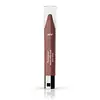 Key Ingredients
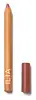
Benefits
Concerns
Ingredients Side-by-side
Hydrogenated Polyisobutene
EmollientPolybutene
Phenyl Trimethicone
Skin Conditioning
Petrolatum
Emollient



Pentaerythrityl Tetraethylhexanoate
Emollient
Hydrogenated Lanolin
EmollientOzokerite
Emulsion StabilisingSynthetic Wax
Abrasive
Cetyl Lactate
EmollientPolyethylene
Abrasive
Bis-Behenyl/Isostearyl/Phytosteryl Dimer Dilinoleyl Dimer Dilinoleate
EmollientButyrospermum Parkii Butter
Skin Conditioning



Euphorbia Cerifera Wax
Myristyl Myristate
Emollient
Silica
Abrasive

Copernicia Cerifera Wax
Stearoxymethicone/Dimethicone Copolymer
Emollient
Mangifera Indica Seed Butter
Skin Conditioning
Maltodextrin
Absorbent
Punica Granatum Pericarp Extract
Skin ConditioningSilica Silylate
Emollient
Pentaerythrityl Tetra-Di-T-Butyl Hydroxyhydrocinnamate
Antioxidant
Isopropyl Titanium Triisostearate
Emollient
Ethylhexyl Palmitate
Emollient
Tribehenin
Emollient
Sorbitan Isostearate
Emulsifying
Palmitoyl Oligopeptide
Cleansing

Aroma


Titanium Dioxide
Cosmetic Colorant

Iron Oxides
Blue 1 Lake
Cosmetic ColorantCI 15985
Cosmetic ColorantCI 17200
Cosmetic ColorantMica
Cosmetic ColorantCI 19140
Cosmetic ColorantCI 15850
Cosmetic ColorantHydrogenated Polyisobutene, Polybutene, Phenyl Trimethicone, Petrolatum, Pentaerythrityl Tetraethylhexanoate, Hydrogenated Lanolin, Ozokerite, Synthetic Wax, Cetyl Lactate, Polyethylene, Bis-Behenyl/Isostearyl/Phytosteryl Dimer Dilinoleyl Dimer Dilinoleate, Butyrospermum Parkii Butter, Euphorbia Cerifera Wax, Myristyl Myristate, Silica, Copernicia Cerifera Wax, Stearoxymethicone/Dimethicone Copolymer, Mangifera Indica Seed Butter, Maltodextrin, Punica Granatum Pericarp Extract, Silica Silylate, Pentaerythrityl Tetra-Di-T-Butyl Hydroxyhydrocinnamate, Isopropyl Titanium Triisostearate, Ethylhexyl Palmitate, Tribehenin, Sorbitan Isostearate, Palmitoyl Oligopeptide, Aroma, Titanium Dioxide, Iron Oxides, Blue 1 Lake, CI 15985, CI 17200, Mica, CI 19140, CI 15850
Tridecyl Trimellitate
EmollientOctyldodecanol
Emollient
Dicalcium Phosphate
Abrasive
Synthetic Wax
Abrasive
Caprylic/Capric Triglyceride
Masking
Diisostearyl Malate
EmollientSynthetic Beeswax
Emulsion Stabilising
Helianthus Annuus Seed Wax
Skin Conditioning
Rosa Canina Fruit Oil
Emollient
Salicornia Herbacea Extract
Skin ConditioningUndaria Pinnatifida Extract
Skin ConditioningSodium Hyaluronate
Humectant

Rubus Idaeus Leaf Extract
Skin ConditioningRicinus Communis Seed Oil
Masking
Disteardimonium Hectorite
StabilisingPropylene Carbonate
SolventPentaerythrityl Tetra-Di-T-Butyl Hydroxyhydrocinnamate
Antioxidant
Hydrogenated Castor Oil
Emollient
CI 77120
Cosmetic ColorantTitanium Dioxide
Cosmetic Colorant
CI 15850
Cosmetic ColorantMica
Cosmetic ColorantCI 19140
Cosmetic ColorantCI 77491
Cosmetic ColorantCI 77492
Cosmetic ColorantCI 77499
Cosmetic ColorantCI 45410
Cosmetic ColorantCI 42090
Cosmetic ColorantCI 45380
Cosmetic ColorantCI 15985
Cosmetic ColorantTridecyl Trimellitate, Octyldodecanol, Dicalcium Phosphate, Synthetic Wax, Caprylic/Capric Triglyceride, Diisostearyl Malate, Synthetic Beeswax, Helianthus Annuus Seed Wax, Rosa Canina Fruit Oil, Salicornia Herbacea Extract, Undaria Pinnatifida Extract, Sodium Hyaluronate, Rubus Idaeus Leaf Extract, Ricinus Communis Seed Oil, Disteardimonium Hectorite, Propylene Carbonate, Pentaerythrityl Tetra-Di-T-Butyl Hydroxyhydrocinnamate, Hydrogenated Castor Oil, CI 77120, Titanium Dioxide, CI 15850, Mica, CI 19140, CI 77491, CI 77492, CI 77499, CI 45410, CI 42090, CI 45380, CI 15985
Reviews
Ingredients Explained
These ingredients are found in both products.
Ingredients higher up in an ingredient list are typically present in a larger amount.
Ci 15850 is the pigment color red. It is an azo dye and created synthetically.
Azo dyes need to be thoroughly purified before use. This allows them to be more stable and longer-lasting.
This ingredient is common in foundations, lipsticks, and blushes. This color is described as brown/orangey red.
It has many secondary names such as Red 6 and Red 7. According to a manufacturer, Red 6 usually contains aluminum.
Learn more about CI 15850Ci 15985 is a dye made from petroleum. It is synthetically created and approved by the FDA for use in foods and cosmetics.
The color of this dye is orange/yellow.
This ingredient can be found in makeup, sun care, and skincare.
Learn more about CI 15985CI 19140 is also known as Tartrazine. Tartrazine is a synthetic dye used in cosmetics, foods, and medicine to add a yellow color.
Tartrazine is created from petroleum and is water-soluble.
Some people may experience allergies from this dye, especially asthmatics and those with an aspirin intolerance.
Learn more about CI 19140Mica is a naturally occurring mineral used to add shimmer and color in cosmetics. It can also help improve the texture of a product or give it an opaque, white/silver color.
Serecite is the name for very fine but ragged grains of mica.
This ingredient is often coated with metal oxides like titanium dioxide. Trace amounts of heavy metals may be found in mica, but these metals are not harmful in our personal products.
Mica has been used since prehistoric times throughout the world. Ancient Egyptian, Indian, Greek, Roman, Aztec, and Chinese civilizations have used mica.
Learn more about MicaPentaerythrityl Tetra-Di-T-Butyl Hydroxyhydrocinnamate (long name, huh?) is a synthetic antioxidant.
It is used to help stabilize other antioxidants or prevent the color from changing in a product.
As an antioxidant, it helps fight free-radical molecules. Free-radical molecules are capable of damaging our cells and other genetic material. Thus, antioxidants may reduce the signs of aging.
This ingredient is oil-soluble.
Learn more about Pentaerythrityl Tetra-Di-T-Butyl HydroxyhydrocinnamateSynthetic Wax is a manufactured hydrocarbon wax. In formulas, it works as an occlusive emollient that helps reduce water loss and improves the spreadability of products.
Research comparing synthetic wax to traditional mineral-derived products found that formulas containing it perform as well for skin hydration.
It is considered non-comedogenic and vegan-friendly.
This ingredient has a well-established safety record by the CIR Expert Panel for Cosmetic Ingredient Safety.
Synthetic Waxes are straight/branched-chain hydrocarbons with no ester bond or fatty acids. That means there is nothing for the Malassezia yeast to feed on.
Learn more about Synthetic WaxTitanium Dioxide (TD) is a mineral UV filter widely used in sunscreens and cosmetics.
It's one of only two UV filters officially classified as "mineral" by regulatory agencies (the other being Zinc Oxide).
A really common myth is that mineral filters work by reflecting UV light off your skin like tiny mirrors.
They don't only do that; modern research shows TD protects mostly by absorbing UV radiation, the same way chemical filters do.
When researchers measured this, reflection accounted for only about 4-5% of the protection (and less than SPF 2 on its own). The other ~95% comes from absorption: the UV photons hit the particle and their energy gets soaked up by its semiconductor band gap rather than bouncing off.
So "reflects vs. absorbs" was never really the right way to split mineral from chemical filters.
TD gives broad-spectrum protection that's strongest in the UVB and UVA-2 range and weaker in the UVA-1 range. Its UVA protection isn't quite as strong as Zinc Oxide's which is why you'll often see the two paired together.
Together, they make a solid broad-spectrum system.
TD is a great pick for sensitive, acne-prone, or redness-prone skin because it's non-irritating and chemically inert. Regulatory reviews classify it as a non-sensitizer and mild-to-non-irritant.
It's also unlikely to cause the "eye sting" some chemical filters are known for.
The main trade-off is cosmetic; TD can leave a white cast and has a thicker texture. This is why mineral sunscreens are often less cosmetically elegant than chemical or hybrid formulas (and harder to shade-match on deeper skin tones).
Formulators often use micronized or nano-sized TD to cut down on white case and improve spreadability. Smaller particles scatter less visible light so the formula looks less chalky while still filtering UV.
TD is almost always bundled with coatings like Alumina, Silica, Stearic Acid, or Dimethicone. These coatings do two important jobs:
TD can be used at up to 25% in a finished sunscreen; this is the regulatory ceiling in both the US and the EU.
In practice, the amount in any given product varies a lot depending on the target SPF and whether it's paired with other UV filters.
TD is one of the most heavily vetted sunscreen ingredients out there. It is approved as a UV filter in all major markets worldwide, including the US, EU, UK, Japan, Korea, China, Australia, and Canada.
The safety evidence is solid. There was an old worry that nano particles might absorb through skin into the body but multiple studies (including on damaged, sunburned, and UV-irradiated skin) have shown that TD stays on the surface and the layer of dead skin cells on top of everything else.
There's also no evidence of carcinogenicity, mutagenicity, or reproductive toxicity from dermal exposure of this ingredient.
For those who have seen the headline about a 2022 EU ban on TD, that was on TD as a food additive (a complete separate use from topical sunscreen).
There are ongoing questions about how nano-TD might affect marine ecosystems. As of now, there has been no conclusive evidence that any form of TD (or any other sunscreen filter) harms coral reefs or marine life.
The science is still developing and it's a space worth watching rather than packing over.
However, several destinations have reef-safety sunscreen rules that restrict certain chemical filters and steer visitors toward mineral, non-nano options. If you're traveling somewhere with these rules, a non-nano mineral sunscreen is the safe bet.
Learn more about Titanium Dioxide

