
What's inside
What's inside
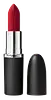 Key Ingredients
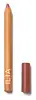
Benefits
Concerns
Ingredients Side-by-side
Octyldodecanol
Emollient
Neopentyl Glycol Diheptanoate
EmollientSynthetic Wax
Abrasive

Pentaerythrityl Tetraisostearate
Emollient

Trimethylpentanediol/Adipic Acid/Glycerin Crosspolymer
Skin ConditioningSilica
Abrasive

Cera Microcristallina
Emulsion StabilisingEuphorbia Cerifera Cera
Astringent
Butyrospermum Parkii Butter
Skin Conditioning



Cocos Nucifera Oil
Masking


Kaolin
Abrasive
Bis-Diglyceryl Polyacyladipate-2
Emollient
Copernicia Cerifera Cera
Emollient
Boron Nitride
Absorbent
Theobroma Cacao Seed Butter
Emollient
Polyglyceryl-3 Diisostearate
Emulsifying
Methicone
Emollient
Disteardimonium Hectorite
StabilisingPropylene Carbonate
SolventLecithin
Emollient
Vanillin
Masking

Pentaerythrityl Tetra-Di-T-Butyl Hydroxyhydrocinnamate
Antioxidant
Mica
Cosmetic ColorantCI 77891
Cosmetic ColorantCI 77491
Cosmetic ColorantCI 77492
Cosmetic ColorantCI 77499
Cosmetic ColorantCI 15850
Cosmetic ColorantCI 45410
Cosmetic ColorantCI 73360
Cosmetic ColorantCI 17200
Cosmetic ColorantCI 19140
Cosmetic ColorantCI 42090
Cosmetic ColorantCI 15985
Cosmetic ColorantOctyldodecanol, Neopentyl Glycol Diheptanoate, Synthetic Wax, Pentaerythrityl Tetraisostearate, Trimethylpentanediol/Adipic Acid/Glycerin Crosspolymer, Silica, Cera Microcristallina, Euphorbia Cerifera Cera, Butyrospermum Parkii Butter, Cocos Nucifera Oil, Kaolin, Bis-Diglyceryl Polyacyladipate-2, Copernicia Cerifera Cera, Boron Nitride, Theobroma Cacao Seed Butter, Polyglyceryl-3 Diisostearate, Methicone, Disteardimonium Hectorite, Propylene Carbonate, Lecithin, Vanillin, Pentaerythrityl Tetra-Di-T-Butyl Hydroxyhydrocinnamate, Mica, CI 77891, CI 77491, CI 77492, CI 77499, CI 15850, CI 45410, CI 73360, CI 17200, CI 19140, CI 42090, CI 15985
Tridecyl Trimellitate
EmollientOctyldodecanol
Emollient
Dicalcium Phosphate
Abrasive
Synthetic Wax
Abrasive
Caprylic/Capric Triglyceride
Masking
Diisostearyl Malate
EmollientSynthetic Beeswax
Emulsion Stabilising
Helianthus Annuus Seed Wax
Skin Conditioning
Rosa Canina Fruit Oil
Emollient
Salicornia Herbacea Extract
Skin ConditioningUndaria Pinnatifida Extract
Skin ConditioningSodium Hyaluronate
Humectant


Rubus Idaeus Leaf Extract
Skin ConditioningRicinus Communis Seed Oil
Masking
Disteardimonium Hectorite
StabilisingPropylene Carbonate
SolventPentaerythrityl Tetra-Di-T-Butyl Hydroxyhydrocinnamate
Antioxidant
Hydrogenated Castor Oil
Emollient
CI 77120
Cosmetic ColorantTitanium Dioxide
Cosmetic Colorant

CI 15850
Cosmetic ColorantMica
Cosmetic ColorantCI 19140
Cosmetic ColorantCI 77491
Cosmetic ColorantCI 77492
Cosmetic ColorantCI 77499
Cosmetic ColorantCI 45410
Cosmetic ColorantCI 42090
Cosmetic ColorantCI 45380
Cosmetic ColorantCI 15985
Cosmetic ColorantTridecyl Trimellitate, Octyldodecanol, Dicalcium Phosphate, Synthetic Wax, Caprylic/Capric Triglyceride, Diisostearyl Malate, Synthetic Beeswax, Helianthus Annuus Seed Wax, Rosa Canina Fruit Oil, Salicornia Herbacea Extract, Undaria Pinnatifida Extract, Sodium Hyaluronate, Rubus Idaeus Leaf Extract, Ricinus Communis Seed Oil, Disteardimonium Hectorite, Propylene Carbonate, Pentaerythrityl Tetra-Di-T-Butyl Hydroxyhydrocinnamate, Hydrogenated Castor Oil, CI 77120, Titanium Dioxide, CI 15850, Mica, CI 19140, CI 77491, CI 77492, CI 77499, CI 45410, CI 42090, CI 45380, CI 15985
Reviews
Ingredients Explained
These ingredients are found in both products.
Ingredients higher up in an ingredient list are typically present in a larger amount.
Ci 15850 is the pigment color red. It is an azo dye and created synthetically.
Azo dyes need to be thoroughly purified before use. This allows them to be more stable and longer-lasting.
This ingredient is common in foundations, lipsticks, and blushes. This color is described as brown/orangey red.
It has many secondary names such as Red 6 and Red 7. According to a manufacturer, Red 6 usually contains aluminum.
Learn more about CI 15850Ci 15985 is a dye made from petroleum. It is synthetically created and approved by the FDA for use in foods and cosmetics.
The color of this dye is orange/yellow.
This ingredient can be found in makeup, sun care, and skincare.
Learn more about CI 15985CI 19140 is also known as Tartrazine. Tartrazine is a synthetic dye used in cosmetics, foods, and medicine to add a yellow color.
Tartrazine is created from petroleum and is water-soluble.
Some people may experience allergies from this dye, especially asthmatics and those with an aspirin intolerance.
Learn more about CI 19140Ci 42090 is a synthetic dye created from petroleum. It is used to give a bright blue color to cosmetics, medicine, and food.
CI 45410 is a synthetic red-pigment and dye.
It often goes by both Red 28 or Red 27; manufacturers label both ingredients as CI 45410.
This dye is commonly found in makeup because it imparts a vivid color. Some types of this dye change color based on pH level and interaction with moisture:
Your skin has a natural pH of around 4.5 - 5.5.
According to the FDA, CI 45410 is not permitted for use in eye products.
Red 27 is a flourescein dye and commonly used as a fluorescent tracer in medicine.
Learn more about CI 45410Ci 77491 is also hydrated iron III oxide. It's sole purpose is to give a red/pink hue to products.
Iron III oxides are classified as inorganic chemicals for coloring.
Synthetically created Ci 77491 is considered safer than those naturally found. This is because the synthetically created version may contain less impurities. Iron oxides are generally non-toxic and non-allergenic.
Learn more about CI 77491CI 77492 is also hydrated iron III oxide. It's sole purpose is to give a yellow hue to products.
Iron III oxides are classified as inorganic chemicals for coloring.
Synthetically created CI 77492 is considered safer than those naturally found. This is because the synthetically created version may contain less impurities. Iron oxides are generally non-toxic and non-allergenic.
Learn more about CI 77492Ci 77499 is also hydrated iron III oxide. It is created from mixing red and black iron oxides. This helps give shades of darkness to a product.
Iron III oxides are classified as inorganic chemicals for coloring.
Disteardimonium Hectorite comes from the clay mineral named hectorite. It is used to add thickness to a product.
It can also help stabilize a product by helping to disperse other ingredients.
Hectorite is a rare, white clay mineral.
Learn more about Disteardimonium HectoriteMica is a naturally occurring mineral used to add shimmer and color in cosmetics. It can also help improve the texture of a product or give it an opaque, white/silver color.
Serecite is the name for very fine but ragged grains of mica.
This ingredient is often coated with metal oxides like titanium dioxide. Trace amounts of heavy metals may be found in mica, but these metals are not harmful in our personal products.
Mica has been used since prehistoric times throughout the world. Ancient Egyptian, Indian, Greek, Roman, Aztec, and Chinese civilizations have used mica.
Learn more about MicaOctyldodecanol is a fatty alcohol sourced from plant oils like coconut or palm (or made synthetically).
It is:
You'll likely see this in many BHA products because this is the go-to solvent for salicylic acid.
This ingredient is typically used at levels between 2-20%.
Regarding fungal acne:
In 2019, this ingredient was tested against multiple Malassezia species (the yeast that causes fungal acne) and showed no growth.
Pentaerythrityl Tetra-Di-T-Butyl Hydroxyhydrocinnamate (long name, huh?) is a synthetic antioxidant.
It is used to help stabilize other antioxidants or prevent the color from changing in a product.
As an antioxidant, it helps fight free-radical molecules. Free-radical molecules are capable of damaging our cells and other genetic material. Thus, antioxidants may reduce the signs of aging.
This ingredient is oil-soluble.
Learn more about Pentaerythrityl Tetra-Di-T-Butyl HydroxyhydrocinnamateThis ingredient is a solvent. It helps dissolve active ingredients and alter the texture of products.
Propylene Carbonate is commonly used in makeup and with clay, such as montmorillonite or bentonite.
Studies show this ingredient to be safe for cosmetics. When it is undiluted, it can cause skin irritation. (It is always diluted in skincare and makeup). This ingredient is water-soluble.
Propylene Carbonate is created from propylene glycol and carbonic acid.
Learn more about Propylene CarbonateSynthetic Wax is a manufactured hydrocarbon wax. In formulas, it works as an occlusive emollient that helps reduce water loss and improves the spreadability of products.
Research comparing synthetic wax to traditional mineral-derived products found that formulas containing it perform as well for skin hydration.
It is considered non-comedogenic and vegan-friendly.
This ingredient has a well-established safety record by the CIR Expert Panel for Cosmetic Ingredient Safety.
Synthetic Waxes are straight/branched-chain hydrocarbons with no ester bond or fatty acids. That means there is nothing for the Malassezia yeast to feed on.
Learn more about Synthetic Wax

