
What's inside
What's inside
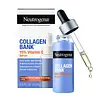 Key Ingredients
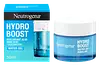
Benefits
Concerns
No concerns
Ingredients Side-by-side







Water
Skin ConditioningGlycerin
Humectant


Dimethicone
Emollient
Cetearyl Olivate

Sorbitan Olivate
Emulsifying
Alanine
Masking
Glycine
Buffering
Threonine
Lidocaine Hcl
Serine
Masking
Arginine
Masking
Proline
Skin Conditioning
Allantoin
Skin Conditioning

Maltose
MaskingEthylhexylglycerin
Skin ConditioningCaprylyl Glycol
Emollient
Dimethiconol
Emollient
Pentylene Glycol
Skin Conditioning
Sodium Hyaluronate
Humectant

Fructose
Humectant
Betaine
Humectant
PCA
Humectant
Sodium PCA
Humectant
Urea
Buffering

Glucose
Humectant
Trehalose
Humectant
Sodium Lactate
Buffering
Glutamic Acid
Humectant
Synthetic Beeswax
Emulsion Stabilising
Dimethicone Crosspolymer
Emulsion Stabilising
Polyacrylate Crosspolymer-6
Emulsion StabilisingSodium Chloride
MaskingT-Butyl Alcohol
Perfuming


Citric Acid
Buffering


Sodium Hydroxide
BufferingTocopherol
Antioxidant


Parfum
Masking

CI 42090
Cosmetic ColorantWater, Glycerin, Dimethicone, Cetearyl Olivate, Sorbitan Olivate, Alanine, Glycine, Threonine, Lidocaine Hcl, Serine, Arginine, Proline, Allantoin, Maltose, Ethylhexylglycerin, Caprylyl Glycol, Dimethiconol, Pentylene Glycol, Sodium Hyaluronate, Fructose, Betaine, PCA, Sodium PCA, Urea, Glucose, Trehalose, Sodium Lactate, Glutamic Acid, Synthetic Beeswax, Dimethicone Crosspolymer, Polyacrylate Crosspolymer-6, Sodium Chloride, T-Butyl Alcohol, Citric Acid, Sodium Hydroxide, Tocopherol, Parfum, CI 42090
Reviews
Ingredients Explained
These ingredients are found in both products.
Ingredients higher up in an ingredient list are typically present in a larger amount.
Caprylyl Glycol is a humectant, skin conditioner, emollient, and preservative booster derived from either caprylic acid or synthetically created.
Typical use levels vary from 0.3-1% as a preservative booster and go up to 2% to condition skin.
Because it is not a free-fatty acid, this ingredient is fungal acne safe (there's nothing for Malassezia to feed on).
Learn more about Caprylyl GlycolSodium Hydroxide is also known as lye or caustic soda. It is used to adjust the pH of products; many ingredients require a specific pH to be effective.
In small amounts, sodium hydroxide is considered safe to use. However, large amounts may cause chemical burns due to its high alkaline.
Your skin has a natural pH and acid mantle. This acid mantle helps prevent harmful bacteria from breaking through. The acid mantle also helps keep your skin hydrated.
"Alkaline" refers to a high pH level. A low pH level would be considered acidic.
Learn more about Sodium HydroxideWater. It's the most common cosmetic ingredient of all. You'll usually see it at the top of ingredient lists, meaning that it makes up the largest part of the product.
So why is it so popular? Water most often acts as a solvent - this means that it helps dissolve other ingredients into the formulation.
You'll also recognize water as that liquid we all need to stay alive. If you see this, drink a glass of water. Remember to stay hydrated!
Learn more about Water

