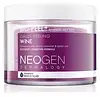
This smoothing exfoliator is formulated around Resveratrol and Glycolic Acid to refine skin texture and brighten dull-looking skin.

What's inside
What's inside
 Key Ingredients
Benefits
Concerns
Ingredients Side-by-side
Water
Skin ConditioningButylene Glycol
Humectant

Glycerin
Humectant
Alcohol Denat.
Antimicrobial




PEG/PPG-17/6 Copolymer
SolventWine Extract
Antioxidant
Sodium Hyaluronate
Humectant


Resveratrol
Antioxidant

Carbomer
Emulsion StabilisingVitis Vinifera Seed Extract
Antimicrobial
Rubus Fruticosus Fruit Extract
AstringentRubus Idaeus Fruit Extract
AstringentVaccinium Angustifolium Fruit Extract
Skin Protecting
Coptis Japonica Extract
AntimicrobialTartaric Acid
Buffering
Glycolic Acid
Buffering





Lactic Acid
Buffering
Tromethamine
BufferingCI 19140
Cosmetic ColorantCI 17200
Cosmetic ColorantCI 42090
Cosmetic ColorantBenzophenone-5
UV Absorber
Disodium EDTA
ChelatingPhenoxyethanol
Preservative
Ethylhexylglycerin
Skin ConditioningPEG-60 Hydrogenated Castor Oil
Emulsifying

1,2-Hexanediol
Skin Conditioning
Parfum
Masking

Water, Butylene Glycol, Glycerin, Alcohol Denat., PEG/PPG-17/6 Copolymer, Wine Extract, Sodium Hyaluronate, Resveratrol, Carbomer, Vitis Vinifera Seed Extract, Rubus Fruticosus Fruit Extract, Rubus Idaeus Fruit Extract, Vaccinium Angustifolium Fruit Extract, Coptis Japonica Extract, Tartaric Acid, Glycolic Acid, Lactic Acid, Tromethamine, CI 19140, CI 17200, CI 42090, Benzophenone-5, Disodium EDTA, Phenoxyethanol, Ethylhexylglycerin, PEG-60 Hydrogenated Castor Oil, 1,2-Hexanediol, Parfum
Water
Skin ConditioningEuterpe Oleracea Fruit Extract
Butylene Glycol
Humectant
Polyethylene
Abrasive
Alumina
Abrasive
Titanium Dioxide
Cosmetic Colorant
Pentylene Glycol
Skin Conditioning
Ulmus Davidiana Root Extract
Skin Conditioning
Amaranthus Caudatus Seed Extract
Skin Conditioning
Centella Asiatica Extract
Cleansing
Ficus Carica Fruit Extract
Humectant
Citrus Limon Fruit Extract
Masking
Anthemis Nobilis Flower Extract
Masking
Fish Extract
Prunus Serrulata Flower Extract
Skin ConditioningAloe Barbadensis Leaf Juice
Skin Conditioning
Hydrogenated Lecithin
Emulsifying
Magnesium Aluminum Silicate
Absorbent
Styrene/Acrylates Copolymer
Urea
Buffering
Caffeine
Skin Conditioning
Carbomer
Emulsion StabilisingTriethanolamine
BufferingXanthan Gum
EmulsifyingDipotassium Glycyrrhizate
Humectant
Sodium Chloride
MaskingAllantoin
Skin Conditioning
Hydrolyzed Collagen
Emollient
Glyceryl Polymethacrylate
Disodium EDTA
ChelatingEthylhexylglycerin
Skin ConditioningOnsen-Sui
Rice Ferment Filtrate
Skin Conditioning
Ceramide NP
Skin Conditioning
Phenoxyethanol
Preservative
Water, Euterpe Oleracea Fruit Extract, Butylene Glycol, Polyethylene, Alumina, Titanium Dioxide, Pentylene Glycol, Ulmus Davidiana Root Extract, Amaranthus Caudatus Seed Extract, Centella Asiatica Extract, Ficus Carica Fruit Extract, Citrus Limon Fruit Extract, Anthemis Nobilis Flower Extract, Fish Extract, Prunus Serrulata Flower Extract, Aloe Barbadensis Leaf Juice, Hydrogenated Lecithin, Magnesium Aluminum Silicate, Styrene/Acrylates Copolymer, Urea, Caffeine, Carbomer, Triethanolamine, Xanthan Gum, Dipotassium Glycyrrhizate, Sodium Chloride, Allantoin, Hydrolyzed Collagen, Glyceryl Polymethacrylate, Disodium EDTA, Ethylhexylglycerin, Onsen-Sui, Rice Ferment Filtrate, Ceramide NP, Phenoxyethanol
Ingredients Explained
These ingredients are found in both products.
Ingredients higher up in an ingredient list are typically present in a larger amount.
Butylene Glycol (or BG) is used within cosmetic products for a few different reasons:
Overall, Butylene Glycol is a safe and well-rounded ingredient that works well with other ingredients.
Though this ingredient works well with most skin types, some people with sensitive skin may experience a reaction such as allergic rashes, closed comedones, or itchiness.
Learn more about Butylene GlycolCarbomer is a synthetic thickening and gelling agent. It's basically the ingredient that gives a lot of serums, gels, creams, and sunscreens their smooth, non-sticky texture.
Although legally permitted at very high levels, carbomers are normally used at concentrations below 1%.
It also needs to be neutralized to actually thicken, and because it is a large molecule, it doesn't really penetrate the skin barrier.
Allergy-wise, the risk is very low. Clinical studies show carbomers have low potential for skin irritation/sensitization even at concentrations up to 100%.
A 2024 UK study patch-tested 1,302 patients and found true allergy to the parent group of carbomer to be rare with no confirmed relevant reactions.
Learn more about CarbomerDisodium EDTA is a chelating agent. It grabs onto and deactivates metal ions that sneak into your products from water, packaging, or air.
This ingredient mainly works behind the scenes and helps with:
On top of that, this ingredient can counteract the effects of hard water by binding to the minerals in it.
One thing worth knowing is that Disodium EDTA has been shown to be a mild penetration enhancer. It can help other ingredients absorb into skin more effectively which can be a double-edged sword (great for actives, but can also make the active too strong if you have sensitive skin).
Clinical patch testing showed no significant skin irritation at typical use concentrations and minimal dermal absorption.
You'll most likely see this ingredient near the end of an ingredient list. It's typically found in concentrations less than 1%.
Learn more about Disodium EDTAEthylhexylglycerin is created from glycerin. It is a multitasker ingredient that:
The CIR Expert Panel found minimal skin absorption or sensitization of any kind in a safety assessment. Though this ingredient is considered well-tolerated, a small number of cases of allergic dermatitis have been published since 2002. Just be sure to patch test if you are unsure.
Industry-reported use ranges from 8% in rinse-off products and 2% in leave-on formulations.
Learn more about EthylhexylglycerinPhenoxyethanol is one of the most widely used preservatives in skincare (and for good reason!).
It has a large spectrum of antimicrobial activity and especially effective bacteria, yeast, and mold while only having a weak effect on your skin's natural microbiome.
On a cellular level, it disrupts the cell membranes of microbes by poking holes that make the cell leak. This shuts down the chemical reactions the microbe needs to make energy so it can no longer survive.
Another perk of this ingredient is that it stays functional across a wide pH range (3-10).
You'll often see it paired with boosters like Ethylhexylglycerin; one study showed that a 1:9 ratio of Ethylhexylglycerin to Phenoxyethanol damages bacterial membranes as effectively as doubling the Phenoxyethanol concentration on its own.
Typical use concentrations range from 0.3-1% depending on the formula, and this ingredient is capped at 1% int the EU.
Safety-wise, the fear mongering does not hold up to the evidence. The EU's Scientific Committee on Consumer Safety and FDA consider it safe as a preservative at up to 1%, including for children of all ages.
Adverse systemic effects only showed up in animal studies at exposures roughly 200x higher than what people get from cosmetics. And despite its very widespread use, this ingredient is a rare sensitizer and allergic reactions are uncommon.
Learn more about PhenoxyethanolWater. It's the most common cosmetic ingredient of all. You'll usually see it at the top of ingredient lists, meaning that it makes up the largest part of the product.
So why is it so popular? Water most often acts as a solvent - this means that it helps dissolve other ingredients into the formulation.
You'll also recognize water as that liquid we all need to stay alive. If you see this, drink a glass of water. Remember to stay hydrated!
Learn more about Water

