Neemli Naturals Azelaic Acid Spotless Concentrate Versus The Derma Co Tran-Zelaic Pigmentation Corrector Serum
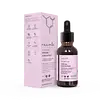
This brightening serum is formulated around Potassium Azeloyl Diglycinate and Zinc PCA to fade the look of dark spots and calm redness.
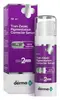
This brightening serum is formulated around Azelaic Acid and Niacinamide to fade the look of dark spots and brighten dull-looking skin.

What's inside
What's inside
 Key Ingredients
Benefits
Ingredients Side-by-side
Water
Skin ConditioningPotassium Azeloyl Diglycinate
Skin Conditioning




Dimethyl Isosorbide
SolventEthoxydiglycol
HumectantPropanediol
Solvent

Zinc PCA
Humectant


Phenoxyethanol
Preservative
Ethylhexylglycerin
Skin ConditioningHydroxyethylcellulose
Emulsion StabilisingBetaine
Humectant
Aloe Barbadensis Leaf Extract
Emollient
1,2-Hexanediol
Skin Conditioning
Xanthan Gum
EmulsifyingLactic Acid
Buffering







Sodium Gluconate
ChelatingCitrullus Lanatus Fruit Extract
Skin Conditioning
Carica Papaya Fruit Extract
Skin ConditioningCamellia Sinensis Leaf Extract
Antimicrobial
Pyrus Malus Fruit Extract
Skin Conditioning
Curcuma Longa Root Extract
Antioxidant
Water, Potassium Azeloyl Diglycinate, Dimethyl Isosorbide, Ethoxydiglycol, Propanediol, Zinc PCA, Phenoxyethanol, Ethylhexylglycerin, Hydroxyethylcellulose, Betaine, Aloe Barbadensis Leaf Extract, 1,2-Hexanediol, Xanthan Gum, Lactic Acid, Sodium Gluconate, Citrullus Lanatus Fruit Extract, Carica Papaya Fruit Extract, Camellia Sinensis Leaf Extract, Pyrus Malus Fruit Extract, Curcuma Longa Root Extract
Water
Skin ConditioningAzelaic Acid 10%
Buffering
Propanediol
Solvent
Niacinamide
Smoothing
Dimethyl Isosorbide
SolventTranexamic Acid 3%
Astringent
Betaine
Humectant
Alpha-Arbutin
Antioxidant
Panthenol
Skin Conditioning
Phenethyl Alcohol
MaskingCaprylyl Glycol
Emollient
Glycerin
Humectant
Sodium PCA
Humectant
4-Butylresorcinol
Antioxidant
Ferulic Acid
Antimicrobial
Terminalia Ferdinandiana Fruit Extract
Antioxidant
Allantoin
Skin Conditioning
Sodium Hyaluronate
Humectant
Xanthan Gum
EmulsifyingSodium Hydroxide
BufferingDisodium EDTA
ChelatingWater, Azelaic Acid 10%, Propanediol, Niacinamide, Dimethyl Isosorbide, Tranexamic Acid 3%, Betaine, Alpha-Arbutin, Panthenol, Phenethyl Alcohol, Caprylyl Glycol, Glycerin, Sodium PCA, 4-Butylresorcinol, Ferulic Acid, Terminalia Ferdinandiana Fruit Extract, Allantoin, Sodium Hyaluronate, Xanthan Gum, Sodium Hydroxide, Disodium EDTA
Reviews
Ingredients Explained
These ingredients are found in both products.
Ingredients higher up in an ingredient list are typically present in a larger amount.
Betaine is a humectant. Like hyaluronic acid, it helps attract and retain moisture in the skin. It’s known for being gentle and for helping the skin maintain balanced hydration.
Betaine is mainly used to improve hydration and support calmer skin. It helps skin cells regulate water balance because it functions as an osmolyte.
Some studies suggest betaine may support making skin tone more even.
Fun fact: Betaine naturally exists in the skin and the body. In cosmetic products, it can be either plant-derived (most commonly from sugar beets) or synthetically produced for consistency and stability.
Betaine is also known as trimethylglycine.
Learn more about BetaineDimethyl Isosorbide (often shortened to DMI) is a sugar-derived solvent made from sorbitol. It's used to dissolve tricky ingredients and help them mix smoothly into a formula.
Many actives sit as gritty crystals when undissolved, so DMI swoops in to full dissolve them. This helps improve texture, stability, and how evenly an active is distributed.
It does have a penetration-enhancing reputation that is a bit more nuanced than marketing suggests; a cell study on human skin found that 10% DMI didn't significantly boost the permeation of Hydroquinone, Salicylic Acid, or Octadecenedioic Acid compared to controls (though it did improve their solubility in the formula itself).
Typical usage concentrations usually range from 1-10% depending on the formula's needs; this ingredient is also well tolerated at these levels.
Learn more about Dimethyl IsosorbidePropanediol is an all-star ingredient. It softens, hydrates, and smooths the skin.
It’s often used to:
Propanediol is not likely to cause sensitivity and considered safe to use. It is derived from corn or petroleum with a clear color and no scent.
Learn more about PropanediolWater. It's the most common cosmetic ingredient of all. You'll usually see it at the top of ingredient lists, meaning that it makes up the largest part of the product.
So why is it so popular? Water most often acts as a solvent - this means that it helps dissolve other ingredients into the formulation.
You'll also recognize water as that liquid we all need to stay alive. If you see this, drink a glass of water. Remember to stay hydrated!
Learn more about WaterXanthan gum is used as a stabilizer and thickener within cosmetic products. It helps give products a sticky, thick feeling - preventing them from being too runny.
On the technical side of things, xanthan gum is a polysaccharide - a combination consisting of multiple sugar molecules bonded together.
Xanthan gum is a pretty common and great ingredient. It is a natural, non-toxic, non-irritating ingredient that is also commonly used in food products.
Learn more about Xanthan Gum

