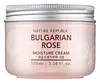
This calming moisturizer is formulated around Rosa Damascena Flower Water and Sodium Hyaluronate to calm redness and hydrate skin.
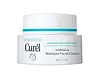
This barrier-repair moisturizer is formulated around Allantoin to strengthen the skin barrier and hydrate skin.


What's inside
What's inside
 Key Ingredients
Benefits
Concerns
Ingredients Side-by-side
Water
Skin ConditioningButylene Glycol
Humectant

Cyclopentasiloxane
Emollient
Hydrogenated Polyisobutene
EmollientAmmonium Acryloyldimethyltaurate/Vp Copolymer
Glycerin
Humectant
Trehalose
Humectant
Rosa Damascena Flower Water
Masking

Sodium Hyaluronate
Humectant
Dimethicone
Emollient
Tocopheryl Acetate
Antioxidant


Biosaccharide Gum-1
Humectant
Urea
Buffering

Dimethicone/Vinyl Dimethicone Crosspolymer
Skin Conditioning
Sodium PCA
Humectant
Sodium Lactate
Buffering
Sodium Gluconate
ChelatingRose Extract
Skin ConditioningLonicera Japonica Flower Extract
Skin ConditioningSmilacina Japonica Extract
Antioxidant
Syringa Vulgaris Extract
Skin ConditioningIpomoea Purpurea Extract
Skin ConditioningCentaurea Cyanus Flower Extract
Astringent
Borago Officinalis Extract
Emollient
Velvet Extract
HumectantAloe Barbadensis Leaf Extract
Emollient
Salvia Officinalis Extract
Antimicrobial
Camellia Sinensis Flower Extract
Perfuming
Chrysanthemum Indicum Flower Extract
Skin Conditioning
Cosmos Bipinnatus Flower Extract
Skin ProtectingHelianthus Annuus Extract
Emollient
Freesia Refracta Extract
Skin ConditioningSnail Extract
Emollient
Prunus Serotina Fruit Extract
MaskingPyrus Malus Fruit Extract
Skin Conditioning
Nelumbo Nucifera Extract
Skin ConditioningPhenoxyethanol
Preservative
Disodium EDTA
ChelatingParfum
Masking



Water, Butylene Glycol, Cyclopentasiloxane, Hydrogenated Polyisobutene, Ammonium Acryloyldimethyltaurate/Vp Copolymer, Glycerin, Trehalose, Rosa Damascena Flower Water, Sodium Hyaluronate, Dimethicone, Tocopheryl Acetate, Biosaccharide Gum-1, Urea, Dimethicone/Vinyl Dimethicone Crosspolymer, Sodium PCA, Sodium Lactate, Sodium Gluconate, Rose Extract, Lonicera Japonica Flower Extract, Smilacina Japonica Extract, Syringa Vulgaris Extract, Ipomoea Purpurea Extract, Centaurea Cyanus Flower Extract, Borago Officinalis Extract, Velvet Extract, Aloe Barbadensis Leaf Extract, Salvia Officinalis Extract, Camellia Sinensis Flower Extract, Chrysanthemum Indicum Flower Extract, Cosmos Bipinnatus Flower Extract, Helianthus Annuus Extract, Freesia Refracta Extract, Snail Extract, Prunus Serotina Fruit Extract, Pyrus Malus Fruit Extract, Nelumbo Nucifera Extract, Phenoxyethanol, Disodium EDTA, Parfum
Water
Skin ConditioningGlycerin
Humectant
Cetyl-Pg Hydroxyethyl Palmitamide
Skin ConditioningTrisiloxane
Skin Conditioning
Dimethicone
Emollient
Hydrogenated Polydecene
EmollientPEG-3 Dimethicone
Skin Conditioning
Allantoin
Skin Conditioning
Magnesium Sulfate
Butylene Glycol
Humectant
Isostearyl Glyceryl Ether
Skin ConditioningPEG-12 Dimethicone
Skin Conditioning
Succinic Acid
BufferingSodium Hydroxide
BufferingEucalyptus Globulus Leaf Extract
Perfuming
Tocopherol
Antioxidant
Methylparaben
Preservative

Water, Glycerin, Cetyl-Pg Hydroxyethyl Palmitamide, Trisiloxane, Dimethicone, Hydrogenated Polydecene, PEG-3 Dimethicone, Allantoin, Magnesium Sulfate, Butylene Glycol, Isostearyl Glyceryl Ether, PEG-12 Dimethicone, Succinic Acid, Sodium Hydroxide, Eucalyptus Globulus Leaf Extract, Tocopherol, Methylparaben
Reviews
Ingredients Explained
These ingredients are found in both products.
Ingredients higher up in an ingredient list are typically present in a larger amount.
Butylene Glycol (or BG) is used within cosmetic products for a few different reasons:
Overall, Butylene Glycol is a safe and well-rounded ingredient that works well with other ingredients.
Though this ingredient works well with most skin types, some people with sensitive skin may experience a reaction such as allergic rashes, closed comedones, or itchiness.
Learn more about Butylene GlycolDimethicone is a type of synthetic silicone created from natural materials such as quartz. It is also known as polydimethylsiloxane.
What it does:
Dimethicone comes in different viscosities:
Depending on the viscosity, dimethicone has different properties.
Ingredients lists don't always show which type is used, so we recommend reaching out to the brand if you have questions about the viscosity.
This ingredient is unlikely to cause irritation because it does not get absorbed into skin. However, people with silicone allergies should be careful about using this ingredient.
Note: Dimethicone may contribute to pilling. This is because it is not oil or water soluble, so pilling may occur when layered with products. When mixed with heavy oils in a formula, the outcome is also quite greasy.
Learn more about DimethiconeGlycerin (or glycerol) is a compound naturally found in your skin. It's a powerhouse humectant that pulls water into the stratum corneum.
Topically, glycerin does several things at once:
Your skin makes glycerin on its own (mostly from sebaceous oil breakdown) and shuttles it to your outermost layer of skin, or your epidermis, via aquaporin-3.
Aquaporin-3 is a transporter that is essential for normal skin hydration, elasticity, and repair. Interestingly, mice lacking in AQP3 have dry and less elastic skin that can be fully corrected with glycerin.
This ingredient is non-irritating, plays well with almost every ingredient, and works across all skin types. Typical use is anywhere between 3-10% but can go up to 79% in some leave-on products.
Just know very high concentrations (>40%) can feel tacky in low humidity.
Glycerin is the name for this ingredient in American English. British English uses Glycerol/Glycerine.
Learn more about GlycerinWater. It's the most common cosmetic ingredient of all. You'll usually see it at the top of ingredient lists, meaning that it makes up the largest part of the product.
So why is it so popular? Water most often acts as a solvent - this means that it helps dissolve other ingredients into the formulation.
You'll also recognize water as that liquid we all need to stay alive. If you see this, drink a glass of water. Remember to stay hydrated!
Learn more about Water

